The Long-Term Food Storage Strategy: How to Build a Shelf-Stable Pantry for Absolute Nutritional Sovereignty
I have spent years analyzing the fragile nature of the US food supply chain, and I have seen the same vulnerabilities resurface with alarming frequency. For the average family, a trip to the grocery store is a routine task. For me, it is a constant reminder of our reliance on a "just-in-time" delivery system that is often just three days away from empty shelves. Socioeconomic pressures, rising fuel costs, and unpredictable weather patterns have made food security a strategic priority. I realized early on that true independence doesn't come from a bigger paycheck—it comes from a pantry that can sustain my family for years, regardless of what happens in the outside world.
The Socioeconomic Pivot: Why Food Storage is Your New Hedge
We are currently witnessing a massive cultural transition in the United States. Inflation has reached a point where the "pantry investment" is often more profitable than a savings account. I found that by buying staples in bulk and preserving them correctly, I was effectively locking in food prices for the next decade. This isn't about fear; it is about economic arbitrage. When the price of wheat or canned goods rises by 15 percent in a year, your stored food becomes a high-yield asset that you can eat.
Sovereignty is the new goal. In this environment, your ability to provide calories and nutrients without a plastic card and a working power grid is the single most valuable skill you can possess. When you treat your kitchen like a strategic pantry—similar to a high-yield brokerage account—you begin to see that a shelf of dry goods is actually a wall of financial protection. I started treating my bulk buys as a recurring asset, and the results transformed my household's financial trajectory.
| Storage Method | Average Shelf Life | Nutrient Retention | Economic Impact (USD) |
|---|---|---|---|
| Standard Canned Goods | 2 - 5 Years | 60 - 70 Percent | High Waste Risk |
| Mylar with Oxygen Absorbers | 20 - 25 Years | 90+ Percent | Locked-in Pricing |
| Root Cellar / Traditional | 3 - 9 Months | High (Seasonal) | Low Utility Cost |
| The "Lost Ways" Blueprint | 50+ Years | Maximum Density | Total Independence |
The Logic of Nutrient Density: Calories vs. Survival
I have seen more people fail at food storage because they focused on "fillers" rather than "fuel." If you have 500 pounds of white rice but no source of healthy fats or protein, you are not surviving; you are slowly starving on a full stomach. In my professional strategy, I adhere strictly to the Nutrient Density Rule. This means prioritizing "Superfoods" that offer the highest amount of vitamins and minerals per square inch of shelf space.
This approach builds a safety net against "pantry fatigue." Even if you are eating from your stores for months, a nutrient-dense system ensures your brain stays sharp and your energy stays high. I found that once I shifted my focus from "bulk calories" to "survival nutrients," the long-term viability of my pantry increased significantly.
Ancient Storage Logic: Wisdom for a High-Tech World
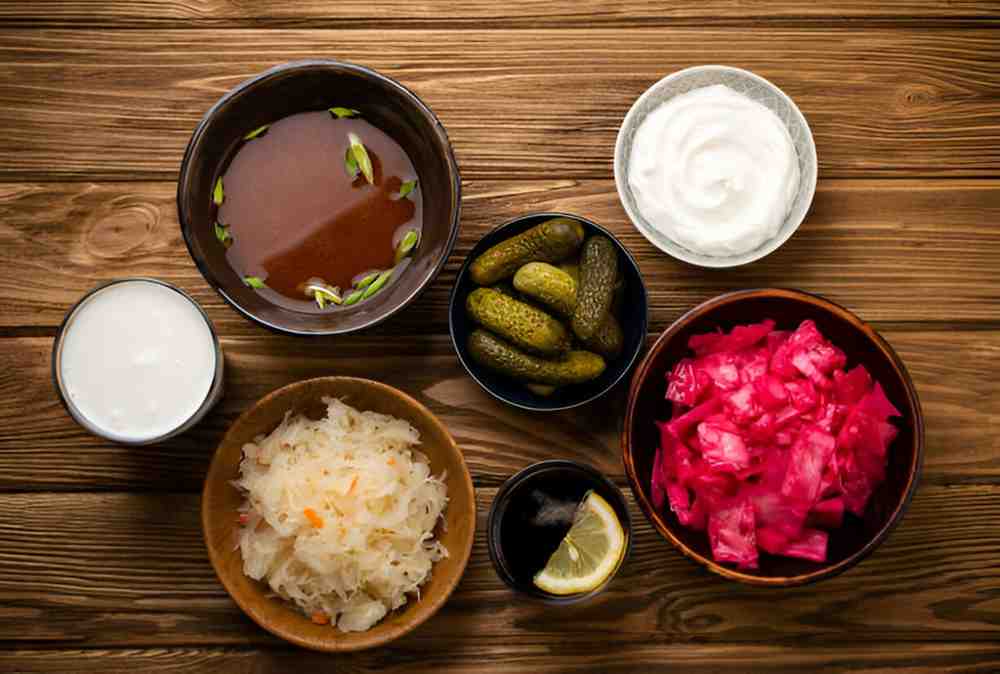
I don't look for "tricks" or "gadgets" to keep my food fresh. I look for the methods that sustained civilizations before the invention of the refrigerator. This is known as "Ancestral Preservation." Most beginners spend thousands on vacuum sealers and electric dehydrators that fail the moment the power goes out. In a professional environment, we use passive, low-tech solutions like pemmican, salt-curing, and natural fermentation.
In the US market, we have forgotten that our great-grandparents didn't need a grocery store to survive the winter. I spend my time mastering the biological logic of these methods because that is where the true security is hidden. Being a professional means being comfortable with techniques that have already worked for 2,000 years. This allows me to maintain a food supply that is immune to cyber-attacks, grid failures, or skyrocketing utility bills.
Interactive Food Inflation & Savings Calculator
I designed this tool to help you visualize the financial reality of bulk storage. Input your current monthly grocery spend and your estimated annual inflation rate to see how much a systematic storage approach can save you in USD over the long term.
Calculated based on bulk-buying staples today versus projected future costs.
The Scaling Formula: From a Week to a Year
One of the biggest fears people have in the US market is "where do I put all this food?" I found that this fear comes from a lack of organization. When you use a professional system, you aren't "hoarding" food; you are "cycling" an inventory. Once you find a shelf-stable staple that your family actually enjoys, you have a license to scale. You simply buy an extra bag every time you shop. Scaling is the moment your pantry becomes a high-performance insurance policy.
Identifying Your Preparedness Persona
The Apartment Survivalist
You have zero backyard space but want to secure your future. You need high-density, vertical storage solutions that fit in a standard closet.
The Budget-Conscious Parent
You want to protect your family from grocery price spikes. You need a system that allows you to buy bulk now and preserve it for pennies per serving.
The Total Independence Strategist
You don't want to be tied to the grid. You want a "time-tested" blueprint that works without electricity, using the same methods our ancestors used.
Common Questions on Survival Preservation
No. Most successful strategists I know started with just 20.00 USD extra a week. The key is to start with the most critical staples—salt, fats, and grains—and then use professional blueprints to preserve them for the long term. It is about a managed risk-reward ratio.
Actually, if you use the "Lost Ways" techniques, your food won't just be edible; it will be flavorful. Proper curing and storage prevent the "rancidity" that ruins standard canned goods after a few years.
The US food system operates on a 72-hour delivery cycle. If the trucks stop for three days, the grocery stores are empty. By having your own supply, you are opting out of that fragility entirely.
Reclaim Your Table and Your Peace of Mind
The US economy is a gold mine for those with the discipline to prepare for the unexpected. I found that the moment I stopped "trying to get lucky" with grocery sales and started "building a system" with professional blueprints, my entire household's anxiety shifted.
The "Make It For Life" System is the ultimate information hedge for anyone who wants the results of a master survivalist without spending years of trial and error. It is the most reliable preservation tool I have utilized.
Access the Survival Food Blueprint NowJoin over 50,000 strategic households who have claimed their nutritional edge.