
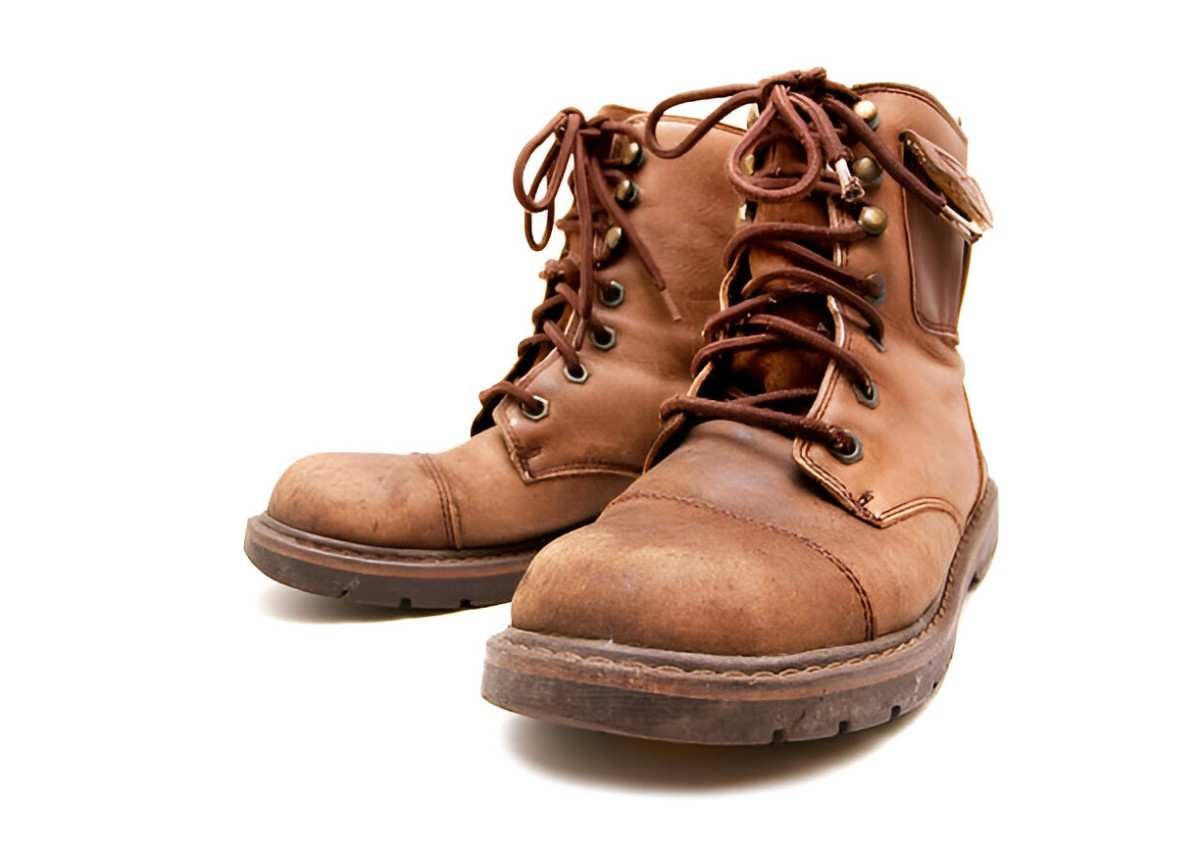
When it comes to hiking, the right boots can make or break your adventure. Whether you’re scaling rugged peaks or exploring forest trails, your feet deserve the best care and protection. Choosing the right hiking boots isn’t just about comfort; it’s about ensuring safety, stability, and endurance. Over the years, I’ve learned a lot about what makes hiking boots stand out, and I’m excited to share my insights with you.
Table of Contents
Why Hiking Boots Matter
Hiking boots aren’t just shoes; they’re your companions on the trail. A good pair provides:
- Support: Protecting your ankles from twists and sprains.
- Traction: Ensuring you don’t slip on wet or uneven terrain.
- Protection: Shielding your feet from sharp rocks, debris, and water.
- Comfort: Reducing fatigue and blisters over long distances.
Without the right boots, even a simple hike can turn into a painful ordeal. That’s why understanding your needs and the features of different boots is critical.
Types of Hiking Boots
Hiking boots come in several types, and each serves a specific purpose. Here’s a quick breakdown:
1. Lightweight Hiking Shoes
- Best for: Day hikes on well-maintained trails.
- Features: Flexible soles, minimal ankle support, lighter materials.
- Pros: Lightweight, breathable, versatile.
- Cons: Limited durability, less support.
2. Midweight Hiking Boots
- Best for: Longer hikes, moderate trails.
- Features: Moderate ankle support, sturdy soles.
- Pros: Balanced comfort and durability.
- Cons: Heavier than hiking shoes.
3. Heavyweight Backpacking Boots
- Best for: Multi-day hikes with heavy loads.
- Features: High ankle support, robust construction.
- Pros: Superior durability and support.
- Cons: Heavy, require breaking in.
4. Mountaineering Boots
- Best for: Climbing and extreme terrain.
- Features: Insulated, rigid soles, crampon compatibility.
- Pros: Excellent for technical climbs.
- Cons: Not suitable for casual trails.
Key Features to Consider
1. Fit
The right fit is everything. Poorly fitting boots can cause blisters, black toenails, or worse. When trying on boots:
- Try them in the evening: Feet swell during the day.
- Wear hiking socks: Mimic real hiking conditions.
- Check the toe box: Ensure there’s enough wiggle room.
- Walk around: Test for heel slippage or pinching.
2. Material
Materials affect durability, weight, and water resistance. Common options include:
- Leather: Durable, water-resistant, but heavier.
- Synthetic: Lightweight, less expensive, but less durable.
- Waterproof membranes: Keep water out but may reduce breathability.
3. Sole and Traction
Look for soles with deep lugs for grip. Vibram soles are a popular choice for their reliability.
4. Weight
Lighter boots reduce fatigue, but heavier ones offer better protection. Find the balance that works for you.
5. Breathability and Waterproofing
If you hike in wet conditions, waterproof boots are a must. For dry climates, prioritize breathability.
Comparison Table: Top Hiking Boots
| Boot Model | Type | Weight (per boot) | Material | Waterproof | Price Range |
|---|---|---|---|---|---|
| Salomon X Ultra 4 | Lightweight | 1.5 lbs | Synthetic | Yes | $140 – $160 |
| Merrell Moab 3 | Midweight | 1.8 lbs | Synthetic/Leather | Yes | $110 – $130 |
| Lowa Renegade GTX | Heavyweight | 2.4 lbs | Leather | Yes | $200 – $240 |
| La Sportiva Nepal | Mountaineering | 3.5 lbs | Leather/Synthetic | Yes | $500 – $550 |
My Personal Favorites
I’ve tested many hiking boots over the years, and a few stand out. Let me walk you through some examples:
Salomon X Ultra 4
These boots are perfect for quick day hikes. They’re light, easy to break in, and offer excellent grip on muddy trails. The waterproofing works well without making my feet feel hot.
Merrell Moab 3
For longer hikes, I love these. They’re durable, comfortable, and provide just enough support without feeling restrictive.
Lowa Renegade GTX
If I’m carrying a heavy pack, these are my go-to. They’re robust and keep my ankles secure on uneven terrain.
Breaking in Your Hiking Boots
Breaking in your boots is as crucial as choosing the right pair. Here’s how I do it:
- Start slow: Wear them around the house or on short walks.
- Increase distance: Gradually take them on longer hikes.
- Use the right socks: Opt for moisture-wicking, cushioned socks.
- Watch for trouble spots: Address blisters or discomfort immediately.
Maintenance Tips
Proper care extends the life of your boots. Here’s my routine:
- Clean after each hike: Remove dirt and debris with a brush.
- Dry thoroughly: Avoid direct heat; air dry instead.
- Re-waterproof: Use sprays or wax periodically.
- Store properly: Keep them in a cool, dry place.
Common Mistakes to Avoid
- Skipping the break-in: This can lead to blisters on the trail.
- Choosing the wrong size: Always try before you buy.
- Ignoring terrain needs: Match the boots to your hiking conditions.
- Overlooking socks: Poor-quality socks can ruin a good pair of boots.
Final Thoughts
Choosing the right hiking boots takes time, but it’s worth it. Think about where you’ll hike, the conditions you’ll face, and what your feet need. A little extra effort now means comfort and confidence on the trail. Use this guide to make an informed choice, and you’ll be ready for any adventure that comes your way.