
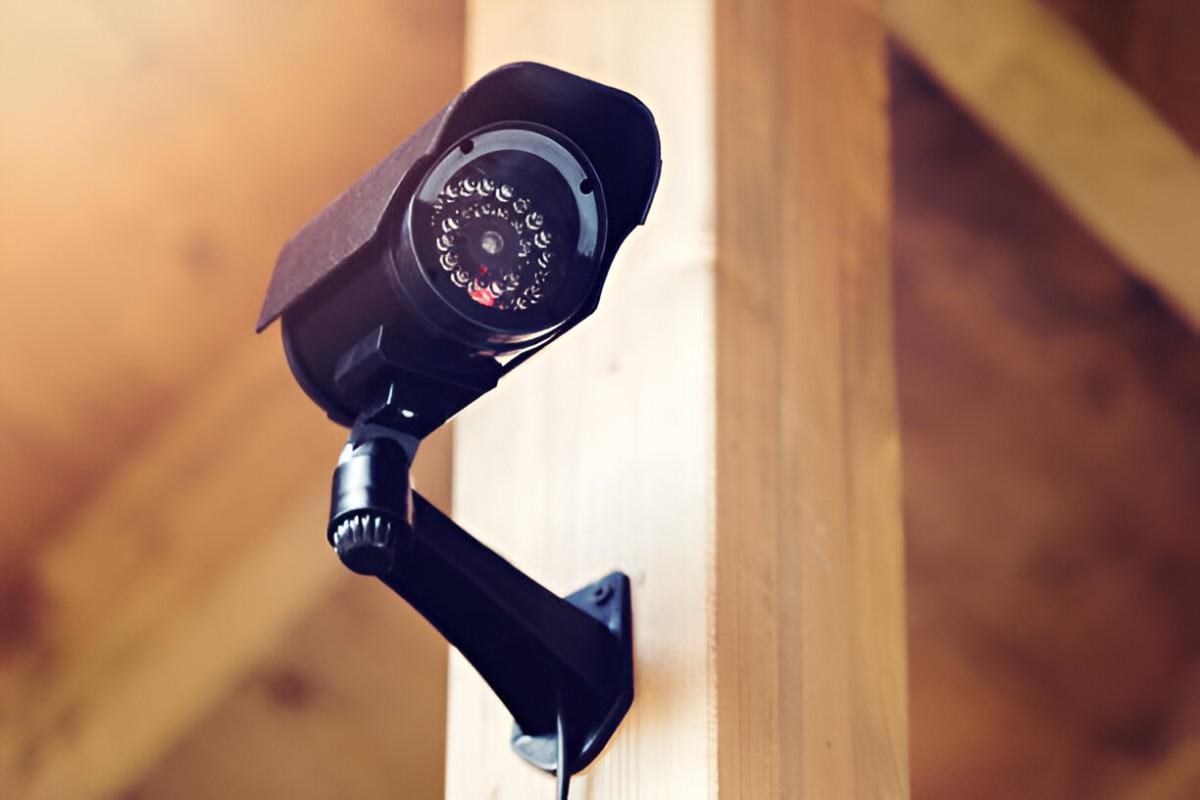
As someone who values safety and security, I know the importance of investing in good outdoor security cameras. Whether you’re looking to monitor your property or keep an eye on your surroundings, the right security camera can offer peace of mind and protection. But with so many options available, how do you choose the best outdoor security cameras for your needs?
In this guide, I will walk you through the key considerations and factors you need to take into account when selecting outdoor security cameras. I’ll break down the most important features, provide helpful comparisons, and share my personal insights to make sure you make an informed decision.
Table of Contents
Why You Need an Outdoor Security Camera
Before diving into the specifics of choosing a camera, let’s talk about why outdoor security cameras are essential. They serve a few critical functions:
- Deterrence: The mere presence of a visible camera can discourage potential intruders or trespassers.
- Surveillance: Cameras allow you to monitor your property and your surroundings, providing evidence in case of an incident.
- Peace of Mind: Knowing that your home or business is being monitored 24/7 can ease your worries.
Now that we know why you need them, let’s move on to the factors that will help you choose the best option.
1. Resolution
When it comes to outdoor security cameras, resolution is one of the most important factors. Higher resolution means a clearer image, which is crucial for identifying faces, license plates, or any suspicious activity.
- 1080p (Full HD): This is a standard resolution for most modern cameras. It’s sharp enough for most situations.
- 1440p or 2K: If you’re looking for more detail, cameras with 2K resolution offer a sharper picture, which can be helpful for larger properties or areas with a lot of movement.
- 4K: The highest resolution currently available. While it’s not necessary for all users, it provides exceptional clarity, especially in large spaces.
I recommend aiming for at least a 1080p resolution. It strikes the right balance between quality and price for most homeowners. If you need even more detail, a 2K or 4K camera could be worth considering.
2. Field of View
The field of view (FoV) refers to how wide the camera’s lens can capture. A wider FoV means the camera can cover more area, which can reduce the number of cameras you need.
- Narrow FoV (50-70 degrees): Good for specific spots or smaller areas where you want a focused view.
- Wide FoV (100-130 degrees): Ideal for larger areas like driveways, yards, or the front of a house.
Personally, I find that a 110-degree FoV is usually sufficient for most outdoor areas. It gives you a broad view without being overly distorted.
3. Night Vision
Since many incidents happen after dark, it’s crucial to choose an outdoor security camera with reliable night vision. Look for cameras with infrared (IR) LEDs, which allow the camera to capture clear footage in low-light conditions.
- Standard Night Vision: Usually works in a limited range (up to 30 feet).
- Enhanced Night Vision: Provides a longer range and better clarity in complete darkness.
When deciding, think about the size of your property. For smaller yards, standard night vision might suffice. However, for larger spaces, I’d suggest investing in a camera with enhanced night vision capabilities.
4. Motion Detection
Motion detection is one of the most valuable features for any security camera. It allows the camera to start recording when it detects movement, saving you storage space and battery life.
- Basic Motion Detection: Detects motion in a set area and sends alerts.
- Smart Motion Detection: More advanced systems use AI or machine learning to distinguish between people, animals, and objects. This reduces false alerts caused by passing cars, animals, or wind.
I find that smart motion detection works best in busy areas, like streets or gardens, where there’s a lot of movement. For quieter areas, basic motion detection might be enough.
5. Weather Resistance
Outdoor security cameras need to withstand different weather conditions, such as rain, snow, and extreme temperatures. When shopping for a camera, look for one with a high IP rating, which indicates its level of protection against the elements.
- IP65 to IP67: Waterproof and dustproof. These cameras can handle heavy rain and snow.
- IP68: The highest rating for extreme weather resistance, ensuring the camera can withstand flooding or submersion in water.
Personally, I recommend choosing an IP65 rating or higher for outdoor use. This ensures the camera can handle most weather conditions without compromising its performance.
6. Wireless vs. Wired
The decision between a wireless or wired security camera comes down to convenience and installation preferences.
- Wireless Cameras: These are easier to install and require less maintenance. They rely on Wi-Fi to transmit footage to your device or cloud storage.
- Wired Cameras: These are more stable and don’t rely on Wi-Fi, but they can be more challenging to install, especially for larger properties.
If you’re a DIYer and want an easy installation process, I’d suggest going for wireless cameras. However, if you need a more stable connection and don’t mind the installation effort, wired cameras are a great option.
7. Cloud Storage vs. Local Storage
Once you’ve captured footage, the next step is storing it. Security cameras offer two types of storage options:
- Cloud Storage: Footage is stored on remote servers. This can be convenient but usually comes with a subscription fee.
- Local Storage: Footage is saved on a microSD card or an external hard drive, which can be more cost-effective but requires you to manage the storage device yourself.
For me, cloud storage offers the benefit of accessing footage remotely and automatically backing up the data. However, I understand that some users prefer local storage for its one-time cost and privacy.
8. Integration with Smart Home Systems
If you have a smart home setup, you might want your outdoor security cameras to integrate with other devices, like your smart lights or doorbell. Many cameras work with Alexa, Google Assistant, or Apple HomeKit, allowing you to control them with voice commands or trigger automation routines.
I’ve found that cameras that integrate with smart home systems are incredibly convenient. For example, I can set my lights to turn on when the camera detects motion, or I can ask Alexa to show the live feed on my TV.
9. Video Quality and Audio
Apart from resolution, there are other aspects of video quality to consider, such as frame rate and audio. A higher frame rate ensures smoother footage, which can be important when monitoring fast-moving areas.
- Standard Frame Rate: 15-20 frames per second (fps) works for most situations.
- High Frame Rate: 30 fps or higher, useful for recording fast-moving activity, such as people running or vehicles driving by.
I also recommend considering cameras that offer two-way audio. This lets you listen to what’s happening and communicate with anyone in the vicinity through the camera, which can be useful in situations where you need to warn or communicate with someone on your property.
Comparison Table of Key Features
| Feature | Wireless Cameras | Wired Cameras |
|---|---|---|
| Installation | Easy | Complex |
| Reliability | Dependent on Wi-Fi | Stable |
| Maintenance | Minimal | Requires more work |
| Cost | Generally higher | More affordable |
| Flexibility | Portable | Permanent |
10. Price and Value
Outdoor security cameras come in a range of prices, and while it might be tempting to go for the cheapest option, I believe in considering the overall value of the camera. Look at the features, build quality, and brand reputation. Sometimes spending a bit more can get you a camera that lasts longer and performs better, especially if you’re monitoring important areas like your driveway or backyard.
Conclusion: Choosing the Right Outdoor Security Camera
When choosing the best outdoor security camera, it’s important to assess your needs. The right camera for you will depend on factors like the size of your property, your budget, and what features you value most, such as resolution, field of view, night vision, and storage options.
I hope this guide helps you make an informed decision. Whether you choose a wireless or wired camera, prioritize features that align with your specific security concerns. Remember, the goal is to provide both security and peace of mind, so take the time to evaluate each option carefully.