Zinc is an essential mineral that plays a crucial role in various physiological processes in the body, including immune function, protein synthesis, wound healing, and DNA synthesis. While both men and women require adequate zinc intake for optimal health, men may have specific needs and benefits associated with this vital nutrient. In this article, we’ll delve into the nutritional values, key health benefits, potential therapeutic uses, cautions, ways to incorporate zinc into your diet, and other relevant information specifically for men.
Summary Table
| Aspect | Details |
|---|---|
| Nutritional Values | Essential mineral, RDA for men: around 11 milligrams per day |
| Key Health Benefits | Supports testosterone levels, boosts immune function, promotes prostate health, enhances wound healing |
| Cautions | Gastrointestinal issues, interactions with medications |
| Incorporating into Diet | Shellfish, red meat, poultry, legumes, nuts, seeds |
Nutritional Values
Zinc is not produced by the body, so it must be obtained through diet or supplementation. The recommended dietary allowance (RDA) for zinc varies depending on age and sex, with adult men typically requiring higher amounts than women. The RDA for zinc for adult men is around 11 milligrams per day.
Key Health Benefits
- Supports Testosterone Levels: Zinc plays a critical role in testosterone production and regulation. Adequate zinc levels are essential for maintaining healthy testosterone levels, which are crucial for male reproductive health, muscle mass, bone density, and overall vitality.
- Boosts Immune Function: Zinc is known for its immune-boosting properties, as it plays a vital role in the function of immune cells, including T cells, B cells, and natural killer cells. Adequate zinc intake may help reduce the risk of infections and support overall immune function, particularly important for men who lead active lifestyles or have demanding work environments.
- Promotes Prostate Health: Zinc concentrations in the prostate gland are among the highest in the body, indicating its importance for prostate health. Some research suggests that zinc supplementation may help reduce the risk of prostate issues, such as benign prostatic hyperplasia (BPH) or prostate cancer, although more studies are needed to confirm these effects conclusively.
- Enhances Wound Healing: Zinc is involved in various stages of the wound healing process, including cell proliferation, collagen synthesis, and immune response. Men who engage in physically demanding activities or are prone to injuries may benefit from adequate zinc intake to support faster recovery and wound healing.
Potential Therapeutic Uses
In addition to its essential roles in overall health, zinc has been studied for its potential therapeutic uses in various health conditions, including:
- Erectile Dysfunction: Some research suggests that zinc supplementation may improve erectile function in men with mild to moderate erectile dysfunction, possibly due to its role in testosterone production and blood vessel function.
- Hair Loss: Zinc deficiency has been associated with hair loss and alopecia, particularly in men. Supplementing with zinc may help support healthy hair growth and prevent or slow down hair loss in some individuals.
Cautions
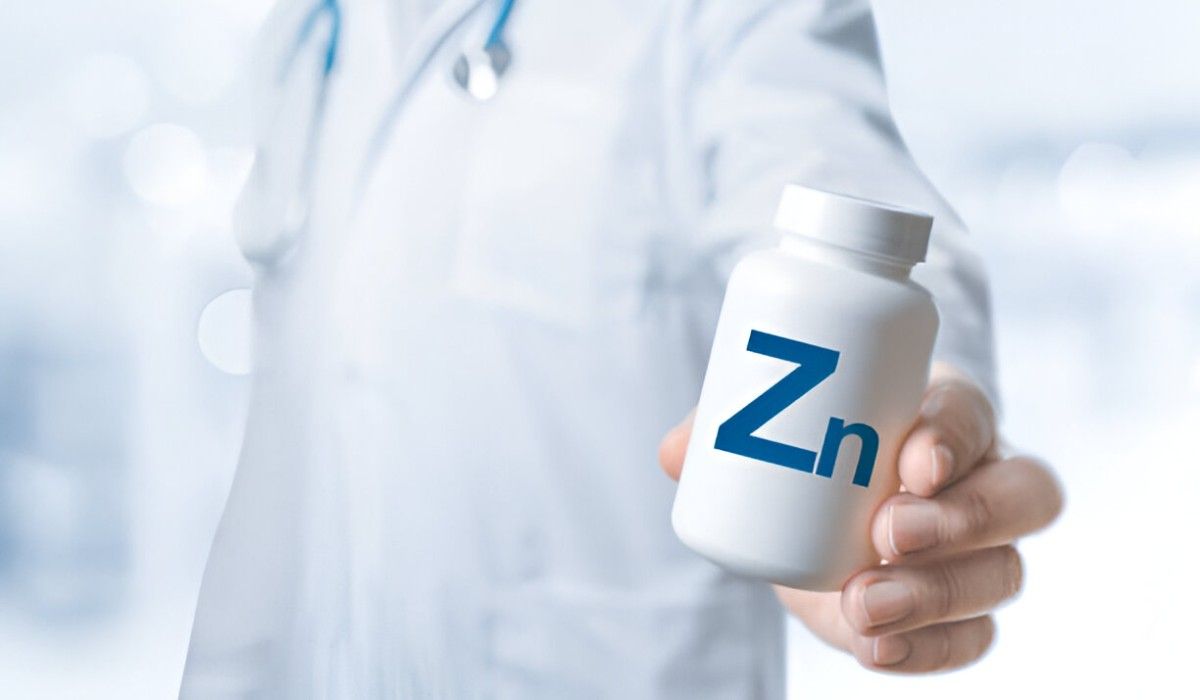
While zinc supplementation is generally safe for most men when taken as directed, excessive intake can lead to adverse effects, including:
- Gastrointestinal Issues: High doses of zinc supplements can cause gastrointestinal symptoms such as nausea, vomiting, diarrhea, and stomach cramps. To minimize these effects, it’s essential to stick to recommended doses and avoid excessive supplementation.
- Interactions with Medications: Zinc supplements may interact with certain medications, including antibiotics, diuretics, and medications for rheumatoid arthritis or osteoporosis. If you’re taking any medications, consult with a healthcare professional before starting zinc supplementation.
Incorporating Zinc into Your Diet
Zinc is found in a variety of foods, particularly animal products, seafood, nuts, seeds, and whole grains. To ensure adequate zinc intake, men can incorporate the following zinc-rich foods into their diet:
- Shellfish: Oysters, crab, and shrimp are among the richest sources of zinc.
- Red Meat: Beef, lamb, and pork are excellent sources of zinc.
- Poultry: Chicken and turkey are good sources of zinc, particularly in the dark meat and skin.
- Legumes: Beans, lentils, and chickpeas are plant-based sources of zinc.
- Nuts and Seeds: Pumpkin seeds, hemp seeds, and cashews are rich in zinc.
Zinc is an essential nutrient for men’s health, with numerous benefits for testosterone production, immune function, prostate health, wound healing, and more. By ensuring adequate zinc intake through diet or supplementation, men can support their overall well-being and vitality, promoting optimal health and longevity.