
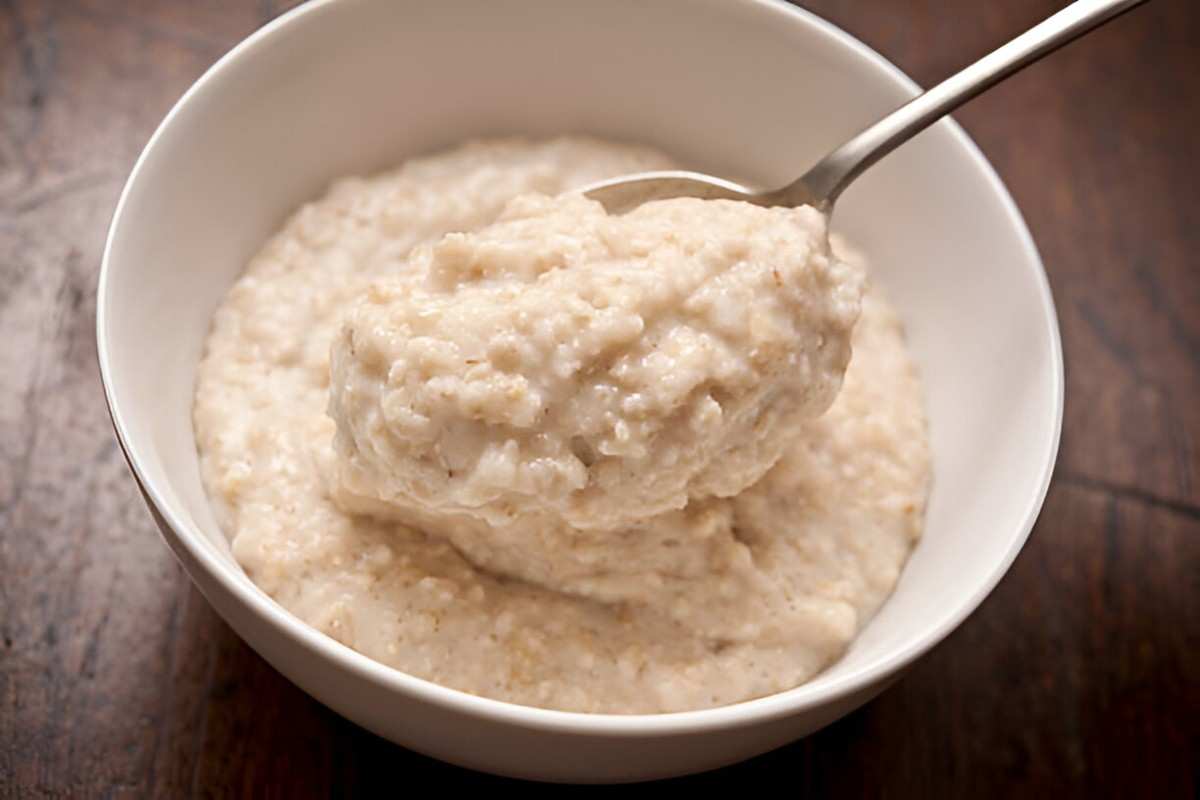
Oatmeal, made from hulled oat grains (groats), is a popular breakfast choice known for its nutritional richness and health benefits. It comes in several forms, including steel-cut oats, rolled oats, and instant oats, each with slightly different textures and cooking times. This article explores the nutritional values, key health benefits, potential therapeutic uses, cautions, and ways to incorporate oatmeal into your diet.
Summary Table
| Nutrient | Amount per 1 cup cooked (154g) | % Daily Value (DV) |
|---|---|---|
| Calories | 154 | – |
| Total Fat | 3.2 grams | – |
| Saturated Fat | 0.5 grams | – |
| Polyunsaturated Fat | 1 gram | – |
| Monounsaturated Fat | 0.9 grams | – |
| Cholesterol | 0 mg | – |
| Sodium | 2 mg | – |
| Total Carbohydrates | 27 grams | – |
| Dietary Fiber | 4 grams | 16% |
| Sugars | 1 gram | – |
| Protein | 6 grams | – |
| Iron | 1.7 mg | 9% |
| Calcium | 21 mg | 2% |
| Magnesium | 57.6 mg | 14% |
| Phosphorus | 180 mg | 18% |
| Potassium | 164 mg | 5% |
| Zinc | 1.5 mg | 10% |
Nutritional Values
A typical serving size (1 cup cooked, about 154 grams) of oatmeal provides:
- Calories: 154
- Total Fat: 3.2 grams
- Saturated Fat: 0.5 grams
- Polyunsaturated Fat: 1 gram
- Monounsaturated Fat: 0.9 grams
- Cholesterol: 0 mg
- Sodium: 2 mg
- Total Carbohydrates: 27 grams
- Dietary Fiber: 4 grams (16% of Daily Value)
- Sugars: 1 gram
- Protein: 6 grams
- Iron: 1.7 mg (9% of Daily Value)
- Calcium: 21 mg (2% of Daily Value)
- Magnesium: 57.6 mg (14% of Daily Value)
- Phosphorus: 180 mg (18% of Daily Value)
- Potassium: 164 mg (5% of Daily Value)
- Zinc: 1.5 mg (10% of Daily Value)
Key Health Benefits
- Heart Health: Oatmeal is rich in beta-glucan, a type of soluble fiber that has been shown to reduce LDL (bad) cholesterol levels. This can help lower the risk of heart disease.
- Digestive Health: The fiber content in oatmeal aids in maintaining regular bowel movements and preventing constipation. It promotes gut health by acting as a prebiotic, which feeds beneficial gut bacteria.
- Blood Sugar Control: The soluble fiber in oatmeal slows down the digestion and absorption of carbohydrates, leading to a more gradual rise in blood sugar levels. This makes it beneficial for people with diabetes.
- Weight Management: Oatmeal can help with weight management due to its high fiber content, which promotes a feeling of fullness and reduces overall calorie intake.
- Nutrient-Rich: Oatmeal provides a variety of essential nutrients, including iron, magnesium, phosphorus, zinc, and several B vitamins, contributing to overall health and well-being.
- Antioxidant Properties: Oats contain unique antioxidants called avenanthramides, which have anti-inflammatory and anti-itching properties and may contribute to heart health.
Potential Therapeutic Uses
- Cholesterol Reduction: Regular consumption of oatmeal can help lower cholesterol levels, reducing the risk of cardiovascular diseases.
- Blood Sugar Management: Oatmeal is a beneficial food for managing blood sugar levels in individuals with type 2 diabetes.
- Digestive Disorders: Oatmeal can help alleviate symptoms of digestive disorders, such as constipation and irritable bowel syndrome (IBS).
Cautions
While oatmeal is generally safe and beneficial for most people, there are some considerations to keep in mind:
- Gluten Sensitivity: Pure oats are gluten-free, but they are often processed in facilities that handle wheat, barley, and rye, leading to cross-contamination. Individuals with celiac disease or gluten sensitivity should look for certified gluten-free oats.
- Portion Control: While oatmeal is healthy, it is still important to be mindful of portion sizes and added toppings like sugar or syrup that can increase calorie and sugar intake.
- Digestive Issues: Some people may experience bloating or gas when they increase their fiber intake too quickly. It is advisable to introduce oatmeal gradually and drink plenty of water.
How to Incorporate Oatmeal into Your Diet
Oatmeal is versatile and can be incorporated into your diet in various ways:
- Breakfast: Enjoy a bowl of oatmeal topped with fruits, nuts, and seeds. You can also add honey or maple syrup for sweetness.
- Baking: Use oatmeal in baking recipes for cookies, muffins, and bread to increase their fiber content.
- Smoothies: Blend oatmeal into smoothies for a thicker texture and added nutrients.
- Savory Dishes: Use oats as a base for savory dishes like oatmeal risotto or add them to soups and stews for extra thickness and nutrition.
Oatmeal is a nutritious, versatile food that offers numerous health benefits, from heart health to blood sugar control. By understanding its nutritional values, health benefits, and how to incorporate it into your diet, you can enjoy its positive impact on your overall well-being.