
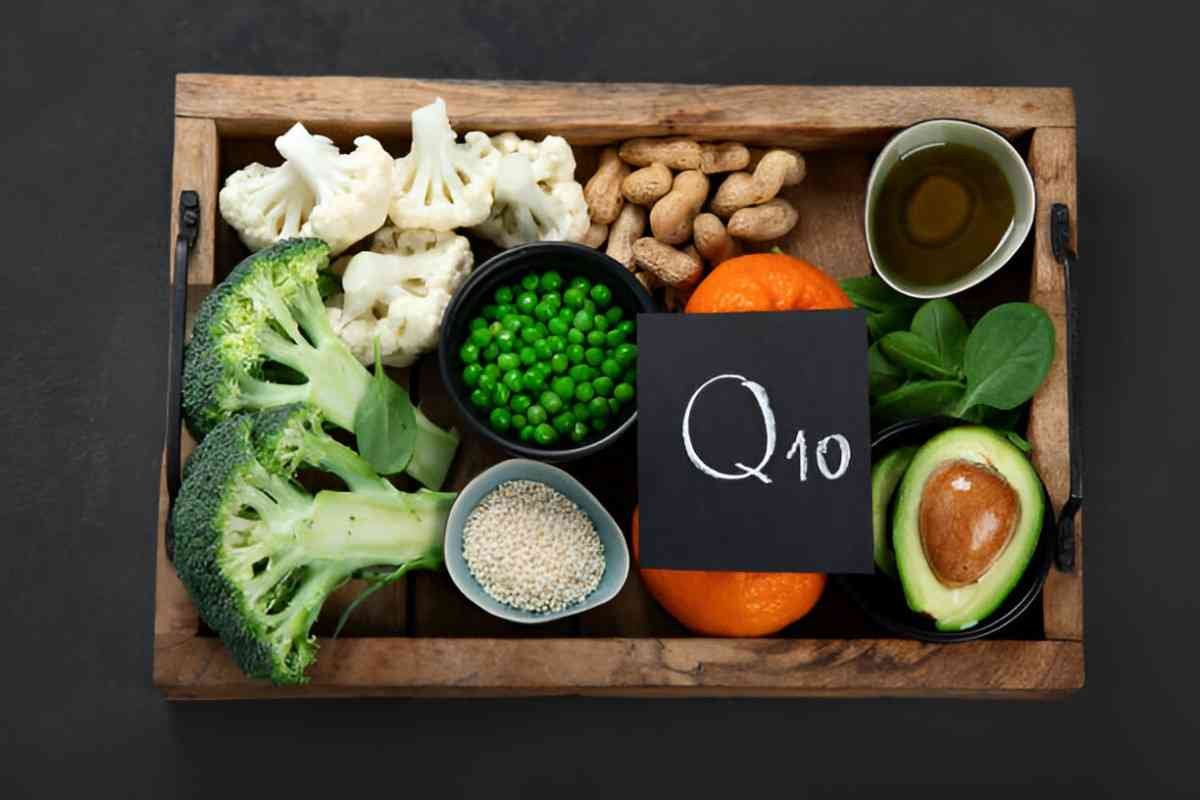
Coenzyme Q10 (CoQ10) is a naturally occurring antioxidant found in the body’s cells, playing a crucial role in energy production and cellular health. While CoQ10 supplements offer numerous health benefits, it’s essential to be aware of potential side effects and other relevant information. This article explores CoQ10’s nutritional values, key health benefits, therapeutic uses, possible side effects, cautions, and ways to incorporate it into your diet.
Summary Table
| Aspect | Details |
|---|---|
| Nutritional Values | Beef: 3.1 mg/3 oz, Chicken: 1.4 mg/3 oz, Soybeans: 1.2 mg/½ cup, Peanuts: 0.8 mg/oz, Broccoli: 0.5 mg/½ cup |
| Key Health Benefits | Energy production, antioxidant properties, heart health, muscle performance, skin health, cognitive health |
| Therapeutic Uses | Heart conditions, mitochondrial disorders, neurodegenerative diseases |
| Possible Side Effects | Digestive issues, allergic reactions, lowered blood sugar, insomnia, headaches, dizziness |
| Cautions | Pregnancy and breastfeeding, medication interactions, pre-existing conditions |
| Dietary Incorporation | Foods (meat, fish, vegetables, legumes), supplements (90-200 mg/day) |
Nutritional Values
CoQ10 is not a nutrient you get in large quantities from food, but it is present in certain foods. The typical CoQ10 content in some foods is:
- Beef: 3.1 mg per 3 ounces
- Chicken: 1.4 mg per 3 ounces
- Soybeans: 1.2 mg per ½ cup
- Peanuts: 0.8 mg per ounce
- Broccoli: 0.5 mg per ½ cup
Key Health Benefits
1. Energy Production
CoQ10 is vital for the production of adenosine triphosphate (ATP), the energy currency of cells. It supports mitochondrial function, enhancing overall energy levels.
2. Antioxidant Properties
As a powerful antioxidant, CoQ10 protects cells from oxidative damage caused by free radicals, which can lead to aging and various diseases.
3. Heart Health
CoQ10 has been shown to improve heart function, reduce blood pressure, and lower the risk of heart failure and other cardiovascular diseases.
4. Muscle Performance
CoQ10 supplementation can enhance muscle strength and exercise performance, particularly in individuals with deficiencies or certain health conditions.
5. Skin Health
CoQ10 can help reduce oxidative damage in the skin, promoting a more youthful appearance and reducing the signs of aging.
6. Cognitive Health
There is some evidence that CoQ10 may support brain health and improve symptoms in neurodegenerative diseases such as Parkinson’s disease.
Therapeutic Uses
Heart Conditions
CoQ10 is often used to treat conditions like congestive heart failure and angina, as it improves heart muscle function and energy production.
Mitochondrial Disorders
Individuals with mitochondrial disorders may benefit from CoQ10 supplementation to support cellular energy production.
Neurodegenerative Diseases
CoQ10 may help slow the progression of diseases like Parkinson’s by protecting nerve cells from oxidative damage.
Possible Side Effects
While CoQ10 is generally considered safe for most people, some potential side effects include:
Digestive Issues
Some individuals may experience stomach upset, nausea, diarrhea, or loss of appetite.
Allergic Reactions
Though rare, some people may develop allergic reactions such as rashes or itching.
Lowered Blood Sugar
CoQ10 can lower blood sugar levels, which may be a concern for people with diabetes or those taking medications to control blood sugar.
Insomnia
In some cases, CoQ10 can cause insomnia or other sleep disturbances, particularly when taken in the evening.
Headaches and Dizziness
Some users report experiencing headaches and dizziness, especially when starting supplementation.
Cautions
Pregnancy and Breastfeeding
The safety of CoQ10 during pregnancy and breastfeeding has not been well-studied, so it’s best to consult a healthcare provider before use.
Medication Interactions
CoQ10 can interact with certain medications, including blood thinners like warfarin, and medications for blood pressure and chemotherapy. Always consult with a healthcare provider before starting CoQ10 if you are on medication.
Pre-existing Conditions
Individuals with chronic conditions, such as diabetes or heart disease, should seek medical advice before taking CoQ10 to avoid adverse effects or interactions.
How to Incorporate CoQ10 into Your Diet
Dietary Sources
While it’s difficult to get high amounts of CoQ10 through diet alone, you can consume foods rich in CoQ10, such as:
- Meat: Beef, chicken, and pork
- Fish: Sardines, mackerel, and trout
- Vegetables: Spinach, cauliflower, and broccoli
- Legumes: Peanuts and soybeans
Supplements
CoQ10 supplements are available in various forms, including capsules, tablets, and soft gels. The typical dosage ranges from 90 mg to 200 mg per day, but higher doses may be recommended for specific health conditions. It’s best to take CoQ10 with a meal containing fat to improve absorption.
CoQ10 offers numerous health benefits, particularly in energy production, heart health, and as an antioxidant. However, it’s essential to be aware of potential side effects and consult a healthcare provider before starting supplementation, especially if you have underlying health conditions or are taking medications. Incorporating CoQ10-rich foods into your diet and considering supplementation under professional guidance can help you reap its benefits safely.