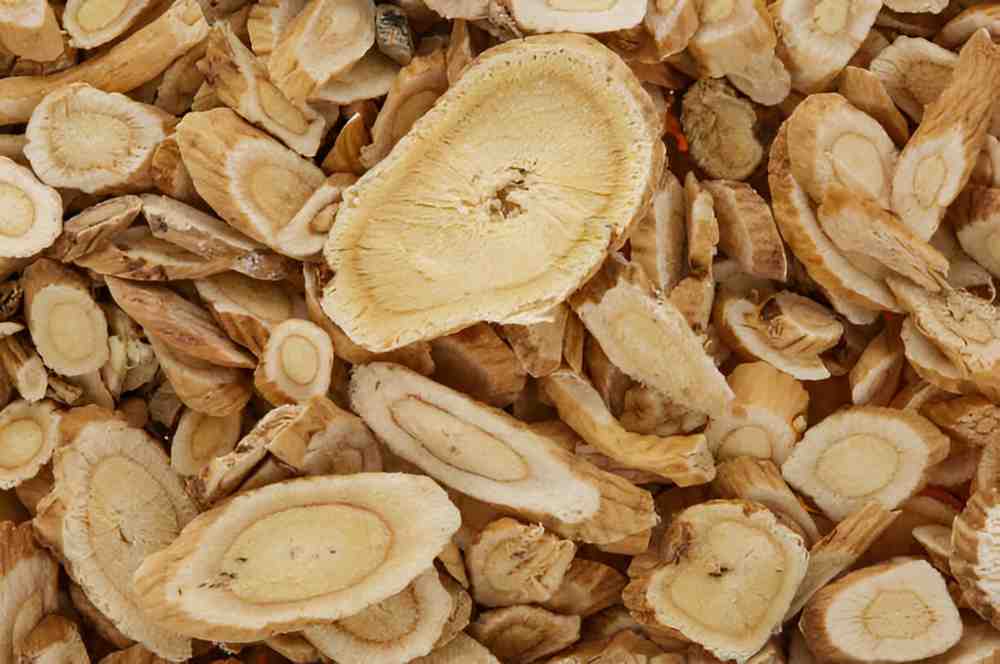
Astragalus, also known as Huang Qi in traditional Chinese medicine, is a perennial herb renowned for its health-promoting properties. Its use dates back thousands of years in various cultures, particularly in Asia, for boosting the immune system and promoting overall well-being. In this article, we will delve into the nutritional values, key health benefits, potential disease-fighting properties, cautions, ways to incorporate astragalus into your diet, and other relevant information.
Summary Table
| Nutritional Values | Key Health Benefits | Diseases | Cautions | Incorporation |
|---|---|---|---|---|
| – Polysaccharides | – Immune Support | – Respiratory Infections | – Pregnancy and Breastfeeding | – Tea |
| – Flavonoids | – Anti-Inflammatory | – Heart Disease | – Autoimmune Diseases | – Supplements |
| – Saponins | – Antioxidant | – Chronic Kidney Disease | – Medication Interactions | – Tinctures |
| – Amino Acids | – Heart Health | – Cancer | – Culinary Use | |
| – Anti-Aging | ||||
| – Energy Boost | ||||
| – Diabetes Support |
Nutritional Values:
Astragalus is not typically consumed for its macronutrient content but rather for its bioactive compounds, which include:
- Polysaccharides: These complex carbohydrates are believed to enhance immune function.
- Flavonoids: These antioxidants help protect the body from oxidative stress.
- Saponins: Compounds that can have immune-boosting and anti-inflammatory effects.
- Amino acids: The building blocks of proteins, essential for various bodily functions.
Key Health Benefits:
- Immune System Support: Astragalus is well-known for its immune-boosting properties. It enhances the body’s resistance to infections by stimulating white blood cell production.
- Anti-Inflammatory Effects: The saponins and polysaccharides in astragalus help reduce inflammation, making it beneficial for inflammatory conditions.
- Antioxidant Protection: Flavonoids in astragalus combat oxidative stress, protecting cells from damage and supporting overall health.
- Heart Health: Astragalus may help lower blood pressure and reduce cholesterol levels, thus supporting cardiovascular health.
- Anti-Aging Properties: Its antioxidant effects help in reducing the signs of aging and promote longevity.
- Energy and Stamina: Traditionally, astragalus has been used to boost energy levels and combat fatigue.
- Support for Diabetes Management: Some studies suggest that astragalus can help regulate blood sugar levels and improve insulin sensitivity.
Potential Disease-Fighting Properties:
Astragalus is not a cure for specific diseases, but its properties can aid in the management and prevention of various conditions, including:
- Respiratory Infections: Boosts the immune system, helping to fend off colds and flu.
- Heart Disease: Supports heart health by improving circulation and reducing blood pressure.
- Chronic Kidney Disease: Some research suggests that astragalus may improve kidney function.
- Cancer: The antioxidant properties may help protect cells from damage that can lead to cancer.
Cautions:
While astragalus is generally considered safe for most people, there are some precautions to consider:
- Pregnancy and Breastfeeding: Insufficient reliable information exists about the safety of astragalus during pregnancy or breastfeeding, so it is best to avoid it.
- Autoimmune Diseases: Since astragalus stimulates the immune system, it may exacerbate autoimmune conditions such as multiple sclerosis, lupus, and rheumatoid arthritis.
- Interactions with Medications: Astragalus may interact with certain medications, including those that suppress the immune system and anticoagulants.
Incorporating Astragalus Into Your Diet:
Astragalus is most commonly used in the form of supplements, teas, or extracts. Here are some ways to incorporate it into your diet:
- Tea: Astragalus root can be boiled to make a tea, often combined with other herbs for added benefits.
- Supplements: Available in capsule or tablet form, supplements provide a convenient way to consume astragalus.
- Tinctures and Extracts: These concentrated forms can be added to water or juice.
- Culinary Use: Astragalus root can be added to soups and stews, although it is typically removed before consumption due to its tough texture.
Astragalus is a powerful herb with a variety of health benefits, ranging from immune support to heart health. While generally safe for most people, it is important to be aware of potential interactions and contraindications. By incorporating astragalus into your diet through teas, supplements, or culinary uses, you can tap into the ancient wisdom of herbal medicine and support your overall health and well-being.