
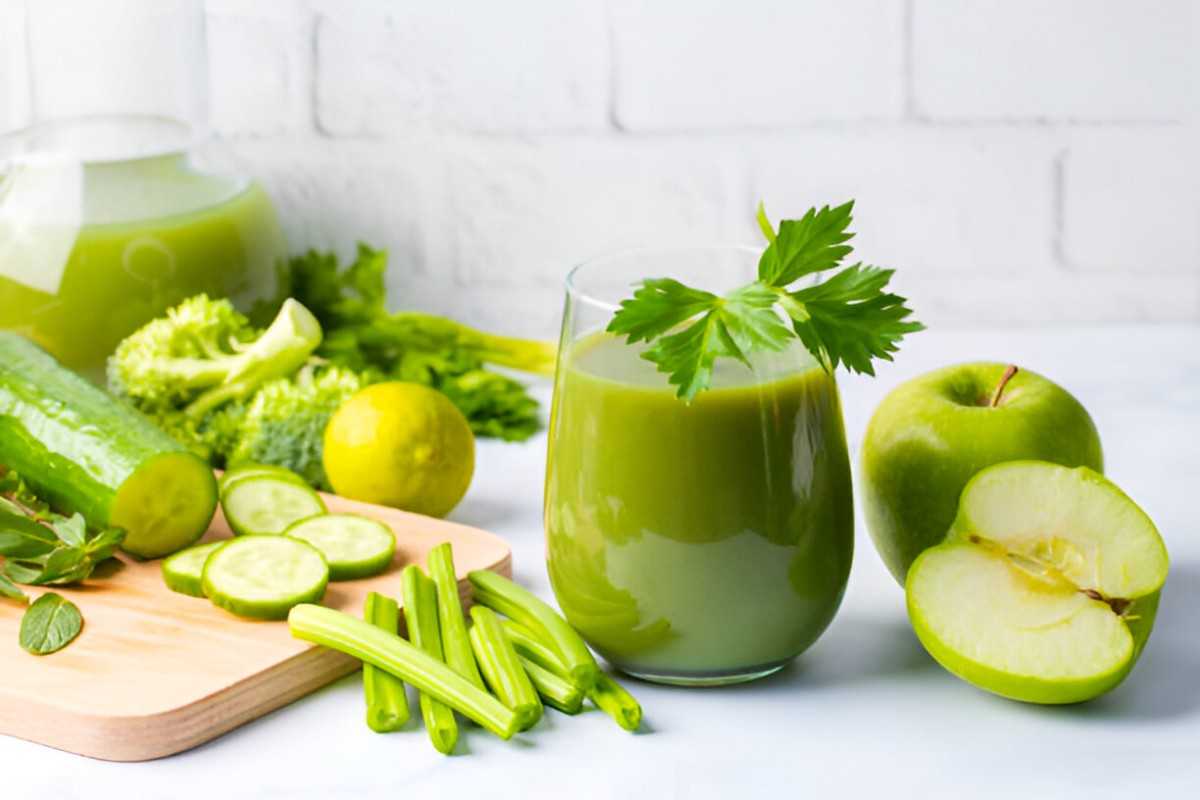
Green juice has gained popularity as a convenient and nutrient-packed beverage that provides a concentrated dose of vitamins, minerals, and antioxidants. Made from a variety of green vegetables and fruits, green juice offers numerous health benefits and is a versatile addition to any diet.
Summary Table
| Aspect | Details |
|---|---|
| Calories | 50-100 kcal per serving |
| Protein | 2-5 g per serving |
| Fat | 0-1 g per serving |
| Carbohydrates | 10-20 g per serving |
| Sugars | 5-10 g per serving |
| Fiber | 2-5 g per serving |
| Vitamin A | 50-200% DV per serving |
| Vitamin C | 50-200% DV per serving |
| Vitamin K | 50-200% DV per serving |
| Folate | 10-50% DV per serving |
| Potassium | 10-20% DV per serving |
| Magnesium | 10-20% DV per serving |
| Nutrient-Rich | High in vitamins, minerals, and antioxidants |
| Improved Digestion | Promotes healthy gut function |
| Boosts Energy Levels | Provides a natural energy boost |
| Supports Detoxification | Helps cleanse the body |
| Enhances Immune Function | Strengthens the immune system |
| Promotes Hydration | Provides hydration and refreshment |
| Heart Disease Prevention | Lowers cholesterol levels |
| Type 2 Diabetes Management | Stabilizes blood sugar levels |
| Cancer Prevention | Reduces the risk of certain cancers |
| Digestive Health | Relieves digestive issues |
| Cautions | Watch sugar content, be mindful of oxalates, consider pesticide residues |
| Diet Incorporation | Homemade juicing, store-bought options, smoothie additions, meal replacement, hydration aid |
Nutritional Values
The nutritional content of green juice can vary depending on the ingredients used, but here is a general breakdown of the key nutrients typically found in a standard serving:
- Calories: 50-100 kcal
- Protein: 2-5 g
- Fat: 0-1 g
- Carbohydrates: 10-20 g
- Sugars: 5-10 g
- Fiber: 2-5 g
- Vitamin A: 50-200% of the Daily Value (DV)
- Vitamin C: 50-200% of DV
- Vitamin K: 50-200% of DV
- Folate: 10-50% of DV
- Potassium: 10-20% of DV
- Magnesium: 10-20% of DV
Key Health Benefits
- Nutrient-Rich: Green juice is packed with vitamins, minerals, and antioxidants, which support overall health and well-being.
- Improved Digestion: The high fiber content in green juice aids digestion and promotes a healthy gut microbiome.
- Boosts Energy Levels: The vitamins and minerals in green juice provide a natural energy boost, helping you feel alert and revitalized.
- Supports Detoxification: Green vegetables such as kale, spinach, and celery contain chlorophyll, which helps detoxify the body and support liver function.
- Enhances Immune Function: The abundance of vitamin C and other antioxidants in green juice strengthens the immune system and helps fend off illnesses.
- Promotes Hydration: Green juice provides hydration and can be a refreshing alternative to water, especially when made with hydrating ingredients like cucumber and celery.
Disease Prevention and Management
- Heart Disease: Consuming green juice regularly as part of a balanced diet can help lower cholesterol levels and reduce the risk of heart disease.
- Type 2 Diabetes: The low glycemic index of green juice can help stabilize blood sugar levels, making it beneficial for individuals with diabetes.
- Cancer Prevention: The antioxidants and phytochemicals in green vegetables have been linked to a reduced risk of certain types of cancer, including breast and colon cancer.
- Digestive Disorders: Green juice can provide relief from digestive issues such as bloating, constipation, and irritable bowel syndrome (IBS) by promoting healthy digestion and regular bowel movements.
Cautions
- Sugar Content: Some green juices may contain added sugars from fruits, which can contribute to calorie intake and blood sugar spikes. Opt for juices with minimal fruit and more vegetables to reduce sugar content.
- Oxalates: Green vegetables like spinach and kale are high in oxalates, which can contribute to kidney stone formation in susceptible individuals. Limit consumption if you have a history of kidney stones.
- Pesticide Residues: When using conventionally grown produce, be mindful of pesticide residues. Washing fruits and vegetables thoroughly or opting for organic options can help minimize exposure.
Incorporating Green Juice into Your Diet
- Homemade Juicing: Invest in a quality juicer and experiment with different combinations of leafy greens (e.g., spinach, kale, Swiss chard), vegetables (e.g., cucumber, celery, broccoli), and fruits (e.g., apple, pear, pineapple).
- Store-Bought Options: If making green juice at home is not feasible, look for cold-pressed or fresh-pressed green juice options at health food stores or juice bars.
- Smoothie Additions: Add a splash of green juice to your favorite smoothie recipe for an extra nutrient boost and vibrant color.
- Meal Replacement: Enjoy green juice as a standalone snack or meal replacement, especially on busy days when cooking is not an option.
- Hydration Aid: Drink green juice throughout the day to stay hydrated and replenish electrolytes, especially after exercise or in hot weather.
Green juice is a convenient and delicious way to boost your intake of vitamins, minerals, and antioxidants. By incorporating green juice into your diet, you can support overall health, enhance digestion, and enjoy a refreshing and hydrating beverage. However, it is important to be mindful of added sugars and potential allergens, and to opt for organic produce when possible.