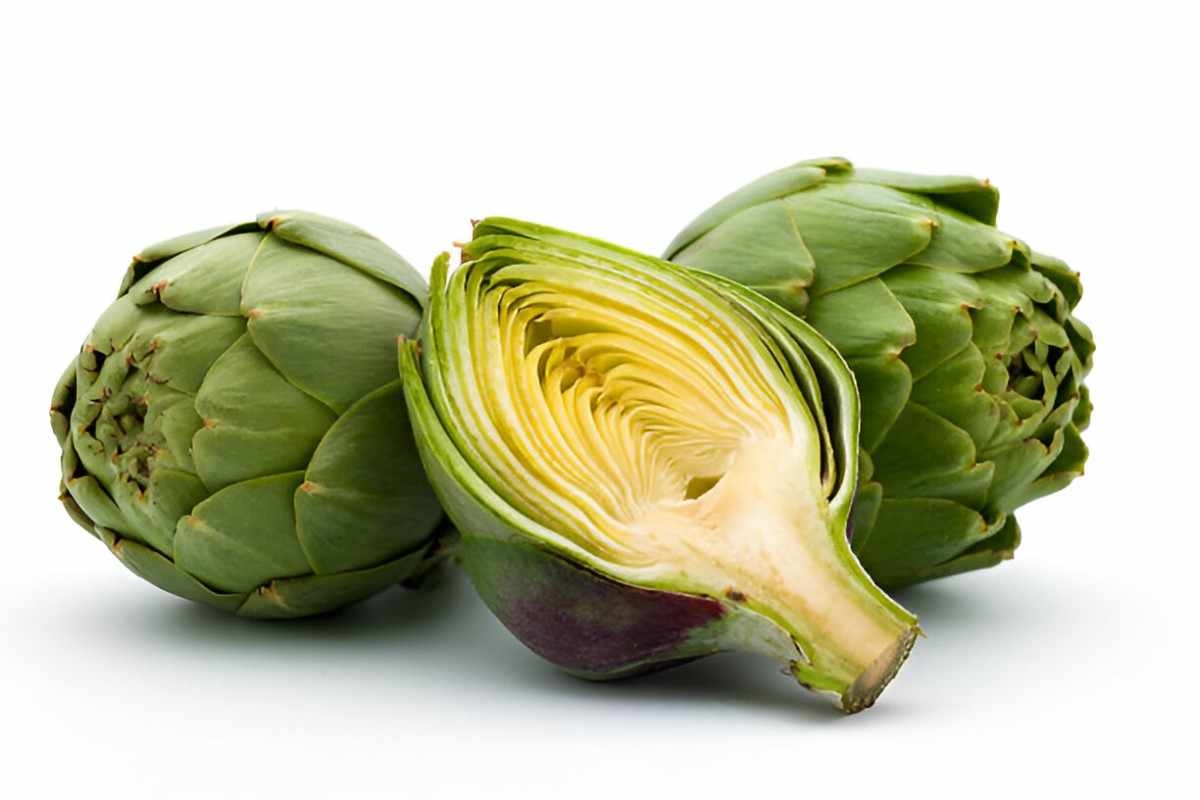
Artichokes, with their unique shape and distinct flavor, are not only a culinary delight but also a nutritional powerhouse packed with essential nutrients. In this article, we’ll delve into the nutritional values, key health benefits, potential therapeutic uses, cautions, ways to incorporate artichokes into your diet, and other relevant information.
Summary Table
| Nutritional Values | Key Health Benefits | Potential Therapeutic Uses | Cautions | Incorporation |
|---|---|---|---|---|
| Vitamins | – Digestive Health | – Detoxification | – Allergic Reactions | – Steamed/Boiled |
| Minerals | – Heart Health | – Weight Management | – Gastrointestinal | – Grilled |
| Antioxidants | – Liver Support | Discomfort | – Roasted | |
| Dietary Fiber | – Blood Sugar Control | – Salads | ||
| – Antioxidant Properties | – Dips and Spreads |
Nutritional Values
Artichokes are rich in various vitamins, minerals, antioxidants, and dietary fiber. Here are some of the key nutrients found in artichokes:
- Vitamins: Particularly vitamin C, vitamin K, vitamin B9 (folate), and vitamin B6.
- Minerals: Including potassium, magnesium, phosphorus, and manganese.
- Antioxidants: Such as flavonoids, cynarin, and silymarin, which help combat oxidative stress and inflammation.
- Dietary Fiber: Both soluble and insoluble fiber, which support digestive health and promote feelings of fullness.
Key Health Benefits
- Digestive Health: The high fiber content in artichokes promotes healthy digestion, prevents constipation, and supports gut health.
- Heart Health: Artichokes contain compounds like cynarin and flavonoids that may help lower cholesterol levels, reduce blood pressure, and protect against cardiovascular disease.
- Liver Support: Compounds like silymarin found in artichokes have been studied for their potential to support liver health and protect against liver damage.
- Blood Sugar Control: Some research suggests that artichoke extract may help improve insulin sensitivity and regulate blood sugar levels, making it beneficial for individuals with diabetes or insulin resistance.
- Antioxidant Properties: Artichokes are rich in antioxidants that help neutralize free radicals, reduce inflammation, and protect against chronic diseases like cancer.
Potential Therapeutic Uses
- Detoxification: Artichokes have been traditionally used in herbal medicine to support liver detoxification and improve bile production.
- Weight Management: Due to their high fiber content and low calorie density, artichokes can be a valuable addition to weight loss and management programs.
Cautions
While artichokes are generally safe for consumption, some individuals may experience allergic reactions or gastrointestinal discomfort, particularly if consumed in large quantities or if they have an allergy to related plants such as ragweed or marigolds.
Incorporating Artichokes into Your Diet
Artichokes can be enjoyed in various ways, including:
- Steamed or Boiled: Enjoy artichokes steamed or boiled until tender, then serve with a flavorful dipping sauce.
- Grilled: Grilled artichokes develop a delicious smoky flavor and can be served as a side dish or appetizer.
- Roasted: Roast artichokes with olive oil, garlic, and herbs for a flavorful and nutritious dish.
- Salads: Add artichoke hearts to salads, pasta dishes, or grain bowls for an extra burst of flavor and nutrition.
- Dips and Spreads: Use artichoke hearts to make creamy dips, spreads, or sauces for crackers, bread, or vegetables.
Artichokes are not only delicious but also offer a wide array of health benefits, including promoting digestive health, supporting heart health, and providing antioxidant protection. Whether steamed, grilled, roasted, or added to salads and dips, incorporating artichokes into your diet can be a tasty and nutritious way to support overall well-being. As always, consult with a healthcare professional if you have any concerns or specific health conditions before making significant changes to your diet.