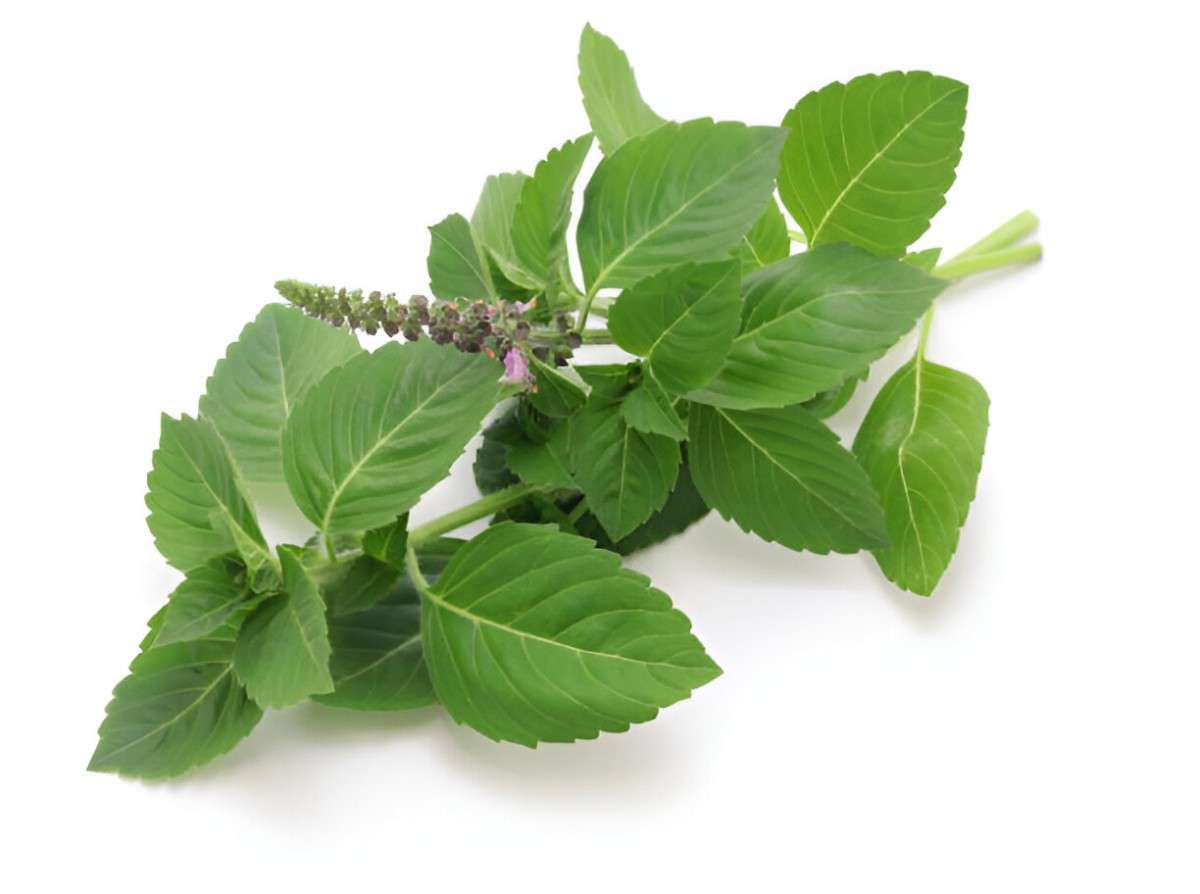
Basil, with its distinct aroma and flavor, is not just a culinary delight but also a treasure trove of health benefits. From its rich nutritional profile to its potential therapeutic properties, basil has been revered for centuries for its medicinal and culinary uses. Let’s explore the nutritional values, key health benefits, potential disease management properties, cautions, incorporation into the diet, and other relevant information regarding basil.
Summary Table:
| Aspect | Information |
|---|---|
| Nutritional Values | Vitamins (K, A, C, E), minerals (manganese, calcium, iron), antioxidants |
| Key Health Benefits | Anti-inflammatory properties, immune support, digestive health, stress reduction |
| Disease Management | Diabetes, heart health |
| Cautions | Allergies, blood clotting |
| Incorporation into Diet | Fresh herb, pesto, infused water, tea |
Nutritional Values:
Basil is a nutrient-dense herb, boasting an impressive array of vitamins, minerals, and antioxidants:
- Vitamins: Basil is particularly rich in vitamin K, providing over 100% of the recommended daily intake in just two tablespoons. It also contains vitamins A, C, and E, which are essential for immune function and skin health.
- Minerals: Basil contains minerals like manganese, calcium, and iron, which support bone health, blood clotting, and oxygen transport in the body.
- Antioxidants: Basil is packed with powerful antioxidants, including flavonoids and polyphenols, which help combat oxidative stress and inflammation in the body.
Key Health Benefits:
- Anti-Inflammatory Properties: The antioxidants in basil, such as eugenol and linalool, possess anti-inflammatory properties, which may help reduce inflammation in the body and alleviate symptoms of inflammatory conditions like arthritis.
- Immune Support: The vitamins and antioxidants in basil support immune function, helping the body defend against infections and illnesses.
- Digestive Health: Basil contains compounds that aid digestion and soothe digestive discomfort, making it beneficial for individuals with indigestion, bloating, or gastrointestinal issues.
- Stress Reduction: Basil contains compounds that may help reduce stress and promote relaxation, making it a valuable herb for managing stress and anxiety.
Disease Management:
While basil may not cure specific diseases, its nutritional profile and potential therapeutic properties can contribute to disease prevention and management:
- Diabetes: Some studies suggest that basil may help regulate blood sugar levels and improve insulin sensitivity, making it beneficial for individuals with diabetes.
- Heart Health: The antioxidants in basil may help lower cholesterol levels, reduce blood pressure, and protect against heart disease.
Cautions:
Although basil is generally safe for consumption, some individuals may experience adverse reactions:
- Allergies: Individuals with allergies to plants in the Lamiaceae family, such as mint or oregano, may also be allergic to basil. Exercise caution if you have known allergies.
- Blood Clotting: Basil contains vitamin K, which plays a crucial role in blood clotting. If you are taking blood-thinning medications like warfarin, consult your healthcare provider before consuming large amounts of basil.
Incorporating Basil into Your Diet:
Incorporating basil into your diet is easy and versatile:
- Fresh Herb: Add fresh basil leaves to salads, sandwiches, pasta dishes, and soups for a burst of flavor and nutrition.
- Pesto: Whip up a homemade pesto sauce using basil, garlic, pine nuts, Parmesan cheese, and olive oil. Use it as a pasta sauce, spread, or dip.
- Infused Water: Add fresh basil leaves to water for a refreshing and hydrating beverage with a subtle hint of flavor.
- Tea: Brew basil leaves into herbal tea for a soothing and aromatic drink that promotes relaxation.
Basil is not just a flavorful herb; it’s a nutritional powerhouse with a myriad of health benefits. By incorporating basil into your diet through various culinary methods, you can elevate both the taste and nutritional value of your meals while reaping the remarkable health benefits it has to offer.