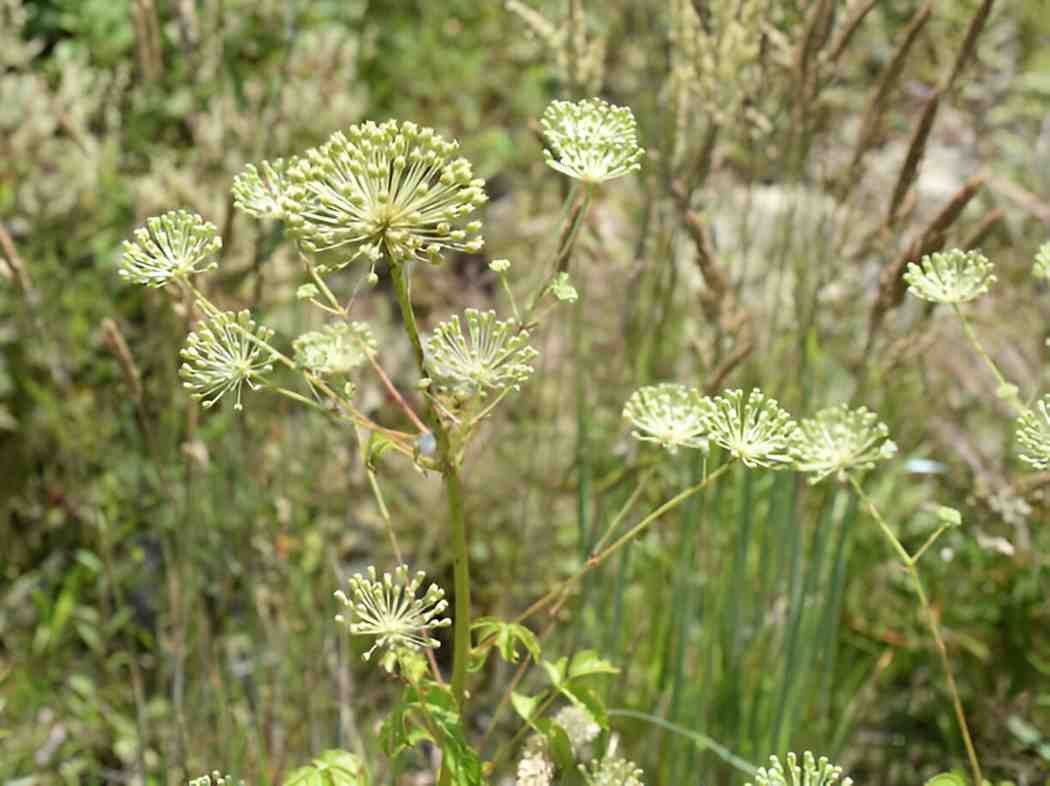
Sarsaparilla, known scientifically as Smilax ornata, is a woody vine native to Central and South America. Traditionally used in herbal medicine for its purported health benefits, sarsaparilla has gained popularity as a natural remedy for various ailments. Let’s delve into the nutritional values, key health benefits, potential therapeutic uses, cautions, and ways to incorporate sarsaparilla into your diet and lifestyle.
Summary Table
| Aspect | Details |
|---|---|
| Nutritional Values | Contains saponins and phytochemicals |
| Key Benefits | Anti-inflammatory, detoxification, skin health, joint health |
| Helpful Diseases | Arthritis, liver support |
| Cautions | Pregnancy and breastfeeding, allergies |
| Incorporation | Herbal tea, supplements, topical use |
Nutritional Values
- Saponins: Sarsaparilla contains saponins, which are natural compounds with antioxidant and anti-inflammatory properties.
- Phytochemicals: It is rich in phytochemicals, including flavonoids, phenolic acids, and sterols, which contribute to its therapeutic effects.
Key Health Benefits
- Anti-inflammatory: Sarsaparilla has been traditionally used to reduce inflammation and alleviate symptoms of inflammatory conditions such as arthritis, rheumatism, and gout.
- Detoxification: The saponins in sarsaparilla are believed to have detoxifying effects, helping to cleanse the body of toxins and impurities.
- Skin Health: Sarsaparilla is thought to promote skin health and treat various skin conditions, including acne, eczema, and psoriasis, due to its anti-inflammatory and antimicrobial properties.
Helpful for Specific Diseases
- Joint Health: Sarsaparilla may help improve joint health and relieve pain and stiffness associated with conditions like osteoarthritis and rheumatoid arthritis.
- Liver Support: Some research suggests that sarsaparilla may support liver health and aid in liver detoxification processes.
Cautions
While sarsaparilla is generally considered safe when consumed in moderation, there are a few cautions to consider:
- Pregnancy and Breastfeeding: Pregnant and breastfeeding women should avoid sarsaparilla due to a lack of safety data.
- Allergies: Some individuals may be allergic to sarsaparilla, especially those with allergies to plants in the Smilax genus.
Incorporating Sarsaparilla into Your Diet
- Herbal Tea: Sarsaparilla can be brewed into a herbal tea by steeping the dried root in hot water for several minutes. Drink the tea regularly for its potential health benefits.
- Supplements: Sarsaparilla supplements are available in various forms, including capsules, tinctures, and extracts. Follow the recommended dosage instructions provided by the manufacturer or a healthcare professional.
- Topical Use: Sarsaparilla extract can be applied topically to the skin to treat skin conditions and promote skin health.
Incorporating sarsaparilla into your diet and lifestyle can offer a range of potential health benefits, from reducing inflammation and detoxifying the body to promoting skin health and supporting joint health. Whether consumed as a herbal tea, dietary supplement, or applied topically, sarsaparilla provides a natural and holistic approach to wellness. However, it’s essential to exercise caution and consult with a healthcare professional before using sarsaparilla, especially if you have underlying health conditions or are pregnant or breastfeeding.