
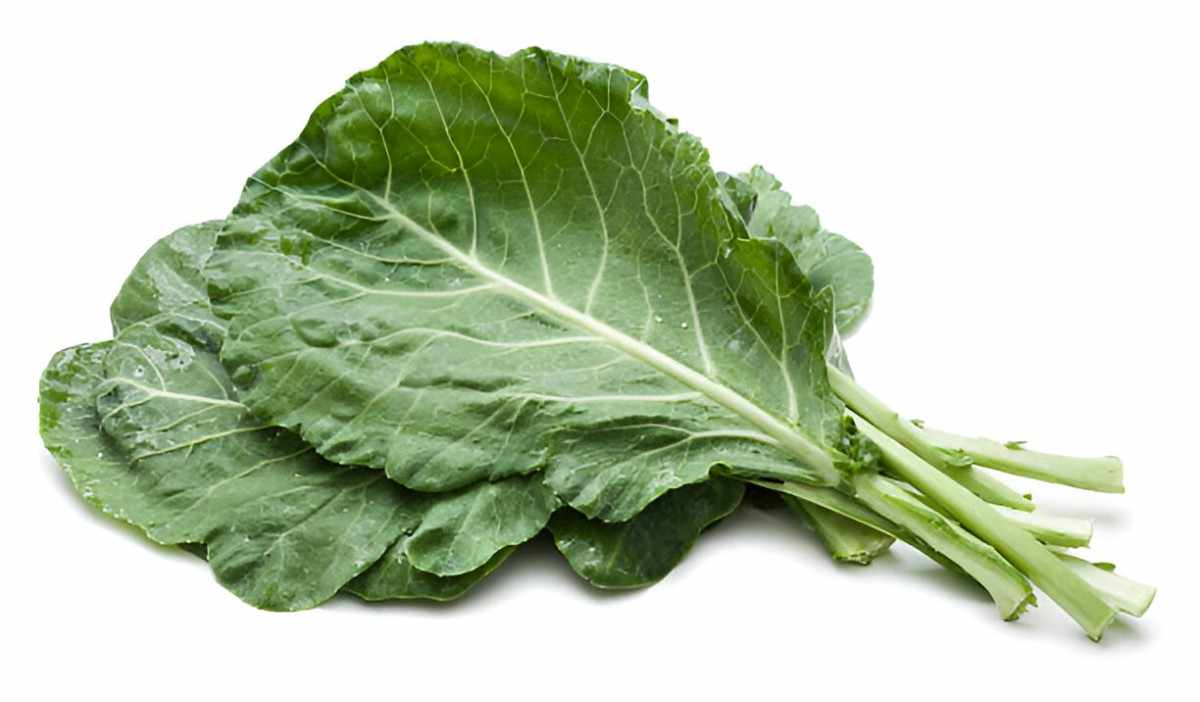
Collard greens, a member of the cruciferous vegetable family, are celebrated for their robust flavor and exceptional nutritional profile. Packed with vitamins, minerals, and antioxidants, collard greens offer a plethora of health benefits, making them a valuable addition to any diet. Let’s delve into the nutritional values, key health benefits, incorporation into diets, cautions, and other pertinent information regarding collard greens.
Summary Table:
| Nutritional Values | Key Health Benefits | Specific Diseases | Cautions | Incorporation into Diet |
|---|---|---|---|---|
| Vitamins, Minerals, Fiber, Antioxidants | Heart Health, Bone Health, Cancer Prevention, Blood Sugar Regulation, Digestive Health | Heart Disease, Osteoporosis, Cancer, Diabetes, Digestive Disorders | High oxalate content; caution for those prone to kidney stones; consume in moderation with blood-thinning medications | Sautéed, Steamed, Raw, Stir-fried, Smoothies |
Nutritional Values:
Collard greens are a nutrient-dense leafy green vegetable, providing an array of essential vitamins, minerals, and phytonutrients. Here’s a glimpse of their nutritional profile:
- Vitamins: Collard greens are rich in vitamins A, C, K, and B vitamins, particularly folate, which support immune function, vision health, blood clotting, and energy metabolism.
- Minerals: Collard greens are a good source of minerals such as calcium, potassium, magnesium, and manganese, essential for bone health, muscle function, and electrolyte balance.
- Fiber: Collard greens are high in dietary fiber, promoting digestive health, regulating blood sugar levels, and supporting weight management.
- Antioxidants: Collard greens contain antioxidants such as beta-carotene, lutein, and zeaxanthin, which help combat oxidative stress and reduce the risk of chronic diseases.
Key Health Benefits:
- Heart Health: The fiber, potassium, and antioxidants in collard greens support heart health by lowering cholesterol levels, regulating blood pressure, and reducing inflammation in the cardiovascular system.
- Bone Health: The high calcium and vitamin K content of collard greens promote bone health and may help prevent osteoporosis and fractures, especially in postmenopausal women.
- Cancer Prevention: The phytonutrients and antioxidants in collard greens have been linked to a reduced risk of certain cancers, including lung, breast, prostate, and colorectal cancer, by inhibiting tumor growth and protecting cells from damage.
- Blood Sugar Regulation: The fiber and magnesium in collard greens help stabilize blood sugar levels and improve insulin sensitivity, making them beneficial for individuals with diabetes or those at risk of developing the condition.
- Digestive Health: The high fiber content of collard greens supports digestive health by promoting regularity, preventing constipation, and nourishing beneficial gut bacteria.
Specific Diseases Collard Greens May Help Cure:
While collard greens may not cure diseases outright, their regular consumption can significantly reduce the risk of various health conditions, including heart disease, osteoporosis, cancer, diabetes, and digestive disorders, by providing essential nutrients and supporting overall wellness.
Cautions:
While collard greens are highly nutritious, they may contain high levels of oxalates, which can interfere with calcium absorption and contribute to kidney stone formation in susceptible individuals. Cooking collard greens can help reduce oxalate levels. Additionally, individuals taking blood-thinning medications should consume collard greens in moderation due to their vitamin K content, which can affect blood clotting.
Incorporating Collard Greens into Your Diet:
Incorporating collard greens into your diet is easy and versatile. Here are some simple ways to enjoy them:
- Sautéed: Sauté collard greens with garlic, olive oil, and a splash of lemon juice for a flavorful and nutritious side dish.
- Steamed: Steam collard greens until tender and serve with a drizzle of balsamic vinegar or tahini sauce for added flavor.
- Raw: Enjoy collard greens raw in salads or wraps, or use them as a nutrient-rich alternative to tortillas in “collard green wraps” filled with your favorite ingredients.
- Stir-fried: Stir-fry collard greens with other vegetables, tofu, or lean protein for a quick and healthy stir-fry dish.
- Smoothies: Blend raw collard greens into smoothies with fruits, vegetables, and protein powder for a nutrient-packed beverage.
Collard greens are a nutritional powerhouse, offering an array of health benefits for individuals of all ages. By incorporating collard greens into your diet in various ways, you can enjoy their delicious flavor and harness their numerous advantages for your health and well-being.