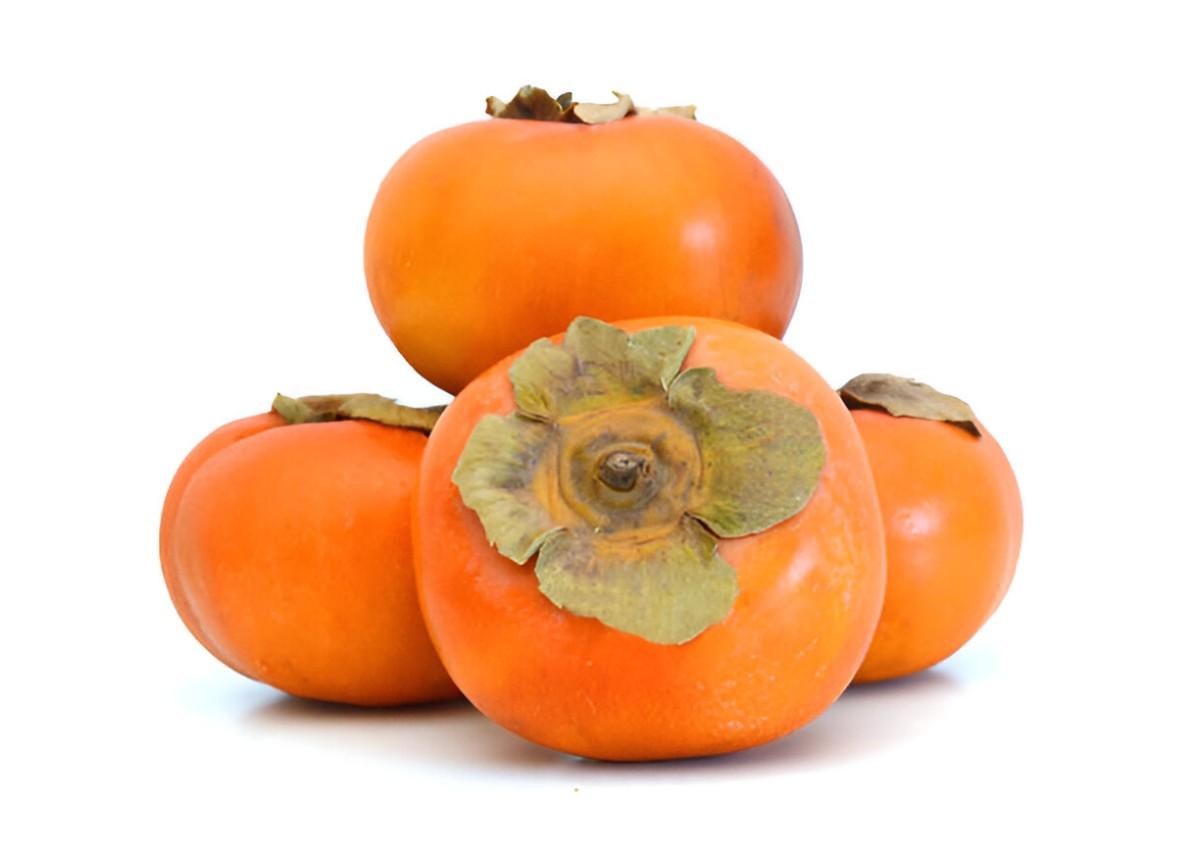
Persimmons are a delicious and nutritious fruit that have been enjoyed for centuries. With their sweet, tangy flavor and vibrant orange hue, persimmons offer a wide array of health benefits along with their delightful taste. Let’s delve into the nutritional values, key health benefits, potential therapeutic uses, cautions, ways to incorporate them into your diet, and other relevant information about persimmons.
Summary Table
| Nutritional Values | Key Health Benefits | Potential Therapeutic Uses | Cautions | Incorporation |
|---|---|---|---|---|
| – Rich in Antioxidants | – Supports Heart Health | – Anti-Inflammatory Properties | – Allergic Reactions | – Fresh |
| – High in Fiber | – Promotes Digestive Health | – Cancer Prevention | – Tannin Content | – Smoothies |
| – Source of Vitamin C | – Boosts Immunity | – Baking | ||
| – Source of Vitamin A | – Enhances Eye Health | – Preserves |
Nutritional Values of Persimmons
Persimmons are packed with essential nutrients, making them a valuable addition to any diet. Here are the nutritional values per 100 grams of persimmons:
- Calories: 70 kcal
- Carbohydrates: 18.59 g
- Dietary Fiber: 3.6 g
- Protein: 0.58 g
- Fat: 0.19 g
- Vitamin A: 81 µg
- Vitamin C: 66.3 mg
- Vitamin E: 0.73 mg
- Potassium: 161 mg
- Calcium: 8 mg
- Iron: 0.15 mg
Key Health Benefits of Persimmons
- Rich in Antioxidants: Persimmons are abundant in antioxidants like vitamin C and beta-carotene, which help combat oxidative stress, reduce inflammation, and protect cells from damage.
- Heart Health: The fiber and potassium content in persimmons support heart health by helping to regulate blood pressure and cholesterol levels, thus reducing the risk of cardiovascular diseases.
- Digestive Health: With a good amount of dietary fiber, persimmons promote healthy digestion, prevent constipation, and support gut health.
- Boosts Immunity: The high vitamin C content in persimmons strengthens the immune system, helping the body fight off infections and illnesses.
- Eye Health: Persimmons contain beta-carotene, which is essential for maintaining healthy vision and may help prevent age-related macular degeneration.
Potential Therapeutic Uses
- Anti-Inflammatory Properties: Some studies suggest that persimmons may possess anti-inflammatory properties, which could be beneficial for conditions like arthritis and inflammatory bowel disease.
- Cancer Prevention: Certain compounds found in persimmons, such as polyphenols and flavonoids, have been studied for their potential anti-cancer effects, although more research is needed in this area.
Cautions
- Allergic Reactions: Individuals with known allergies to persimmons should avoid consuming them to prevent allergic reactions.
- Tannin Content: Some varieties of persimmons contain high levels of tannins, which may cause astringency and an uncomfortable sensation in the mouth when consumed before fully ripened.
Incorporating Persimmons into Your Diet
- Fresh: Enjoy ripe persimmons as a refreshing snack on their own or add them to fruit salads for a burst of sweetness.
- Smoothies: Blend persimmons into smoothies with other fruits like bananas, berries, and spinach for a nutritious and delicious beverage.
- Baking: Incorporate persimmons into baked goods such as muffins, bread, and cakes for a unique flavor twist.
- Preserves: Make persimmon jam or chutney to enjoy the fruit’s flavor year-round.
Persimmons are not only a delicious addition to your diet but also offer numerous health benefits, ranging from heart health support to immune system enhancement. Incorporate persimmons into your meals and snacks to enjoy their nutritional goodness and delightful taste.