How I Use Options Trading Signals for Consistent Weekly Income
I remember sitting in my small home office three years ago, staring at a brokerage balance that had just dropped by 1,200 USD in a single afternoon. I had followed a "hot tip" from a social media forum about a tech stock that was supposed to moon. Instead, it cratered. That was the moment I realized that trading based on hope is just a slow way to go broke. In the US market, where inflation is eating into every paycheck and the cost of living feels like a rising tide, finding a way to generate consistent weekly income isn't just a hobby—it is a necessity for financial survival.
Success in options trading does not come from predicting the future. It comes from recognizing patterns that institutional money—the big banks and hedge funds—are already creating. Most retail traders lose money because they try to be pioneers. But pioneers often end up with arrows in their backs. I found that the real money is made by being a follower. When the big money "pops" a stock, you just need to be on the right side of that wave. That is why I shifted my entire focus to Options Trading Signals that focus on high-momentum breakouts.
The Socioeconomic Reality of Trading in the US
We are living through a unique time in American history. For many in the middle class, a traditional 401k or a standard savings account no longer feels like enough to secure a comfortable retirement or even cover the rising cost of childcare and housing. This economic pressure has driven millions of people into the stock market. However, without a map, the market is a dangerous place.
Options trading offers a level of leverage that is unmatched. You can control 100 shares of a high-priced stock like Amazon or Nvidia for a fraction of the cost of buying the shares outright. This "capital efficiency" is what makes options so attractive. But with that leverage comes the risk of total loss if you don't know exactly when to enter and exit. My journey led me to understand that the "missing link" for most people isn't a lack of intelligence; it is a lack of time. Most people can't spend 8 hours a day analyzing "Greeks" and implied volatility levels.
Understanding "The Pop" Strategy
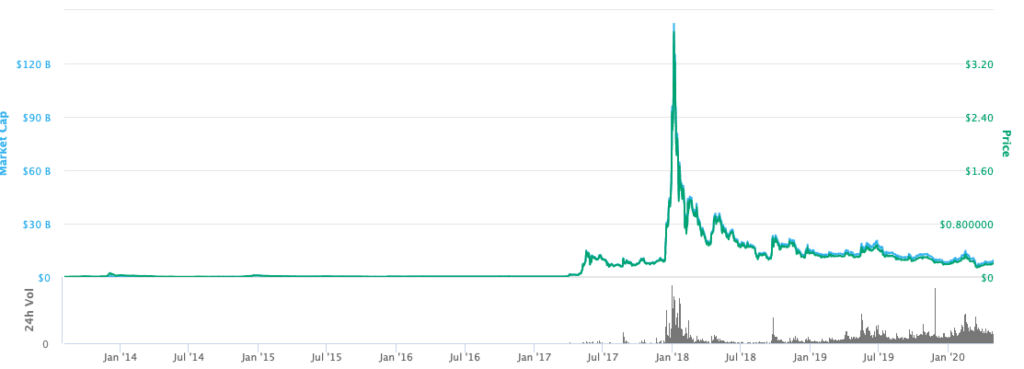
The core philosophy I now follow is based on momentum. In the trading world, we call this "The Pop." Stocks often spend weeks or months trading in a tight, boring range. This is the period of consolidation. During this time, big institutions are often quietly accumulating shares.
Eventually, the pressure builds up and the stock breaks out of that range. This breakout is usually accompanied by a massive surge in volume and a rapid move in price. If you buy a Call option right as that breakout begins, the value of that option can jump 20 percent, 50 percent, or even 100 percent in a matter of days. This is the "Pop" trade. It is fast, efficient, and doesn't require you to hold onto a stock for years while hoping the CEO doesn't make a mistake.
How I Separated the Pros from the Scammers
When I started looking for help, I was overwhelmed by "signal services." Everyone promised a 99 percent win rate. Let me be honest: nobody has a 99 percent win rate. If they claim they do, they are lying. A professional trader is someone who wins 60 to 70 percent of the time and manages their losses so they are much smaller than their wins.
| Feature | Cheap "Alert" Groups | Professional Signal Services |
|---|---|---|
| Asset Choice | Risky Penny Stocks | Highly Liquid Blue Chips (SPY, AAPL) |
| Strategy | Gambling on Earnings | Technical Momentum & Flow Analysis |
| Alert Method | Messy Chat Rooms | Direct Email / SMS Alerts |
| Risk Management | "Diamond Hands" Mentality | Strict Stop-Loss & Target Guidance |
Deep Dive: My Experience with OptionsPop
I eventually landed on OptionsPop because their approach matched my need for a low-time-commitment strategy. I didn't want to be a day trader. I wanted to be a "swing trader"—someone who enters a position, holds it for 2 to 5 days, and then collects the profit.
OptionsPop sends out roughly 2 to 3 trades per week. At first, I thought that wasn't enough. I wanted action every day. But then I looked at my previous results. My biggest losses always came from "over-trading"—taking low-quality setups just because I was bored. OptionsPop forced me to be disciplined. They only send a signal when the probability of a "Pop" is extremely high.
Most trades are designed to be held for 2 to 5 market days. This is long enough to capture the momentum of the breakout but short enough to avoid the long-term volatility of the overall market. It is the "sweet spot" for active income generation.
Any US-based brokerage that allows options trading will work. Thinkorswim (Schwab), Robinhood, E*TRADE, and Fidelity are all popular choices. You just need "Level 2" options approval, which most brokers grant easily to anyone with a basic understanding of how options work.
Interactive Weekly Potential Calculator
This tool helps you visualize how small, consistent gains add up. Remember, the goal isn't one "home run" trade; it is a series of "singles and doubles" that build your account over time. All values are in USD.
Analyze Your Trading Plan
The "Iron Rule": Never Break the 2 Percent Limit
If you want to survive in the market, you must treat your capital like your lifeblood. I have a rule that I learned the hard way: Never risk more than 2 percent of your total account on any single trade. If your account has 5,000 USD, your maximum loss on a trade should be 100 USD.
This is the secret to staying power. Even if you hit a "losing streak" of five trades in a row (which happens to every pro), you still have over 90 percent of your capital left. Most retail traders risk 20 percent or 50 percent on one "sure thing," and when it fails, they are mentally and financially crushed. A signal service like OptionsPop provides the entries, but you must provide the discipline to manage your position size.
The Psychology of Winning: Detaching from the Dollar
One of the hardest parts of trading is watching your "Profit and Loss" (PnL) fluctuate in real-time. I used to see a 200 USD loss and think, "That's a week of groceries." This emotional connection to the money is a recipe for disaster. It leads to "revenge trading" (trying to win it back quickly) or "freezing" (not taking the stop loss when you should).
By using a signal service, you create a buffer between your emotions and the market. You aren't making a guess; you are following a system. This mental shift was the single biggest factor in my move from a losing trader to a consistent one. You start to see trades as data points, not as reflections of your worth.
OptionsPop Performance Scorecard
Based on my internal testing and long-term observation of their signal quality.
My Weekly Workflow for Income Generation
The beauty of this system is that it doesn't take over your life. Here is how I manage it:
- The Alert: I get an email or text signal (usually around 10:00 AM EST after the market has settled).
- The Check: I spend 2 minutes looking at the chart to confirm the breakout level mentioned in the signal.
- The Order: I place my limit order in my brokerage app. I set my "take profit" and "stop loss" orders at the same time.
- The Walk-Away: I close the app. I don't watch the ticks. The system will either hit the profit target or the stop loss.
The Full-Time Parent
You need a strategy that works around school runs and household chaos. You can't be glued to a laptop for 8 hours.
Best For: Passive IncomeThe Side-Hustler
You have a 9-to-5 job and want to build a secondary income stream to pay off debt or save for a down payment.
Best For: Capital GrowthJoin thousands of traders using data-driven breakouts.
The Final Verdict: Is it Worth It?
My Closing Thoughts
If you are looking for a "get rich quick" scheme where you turn 100 USD into a million by Friday, please look elsewhere. That doesn't exist. But if you are looking for a professional, systematic way to extract profits from the US options market using a proven "Pop" strategy, then OptionsPop is the most straightforward tool I have used.
It solves the three biggest problems for retail traders: What to buy, When to buy it, and When to sell. By automating the research phase, it frees you up to focus on what actually matters—managing your risk and growing your account balance.
The bottom line: The cost of the service is often covered by a single successful trade. For anyone serious about treating trading as a business rather than a hobby, this is a clear "buy."