
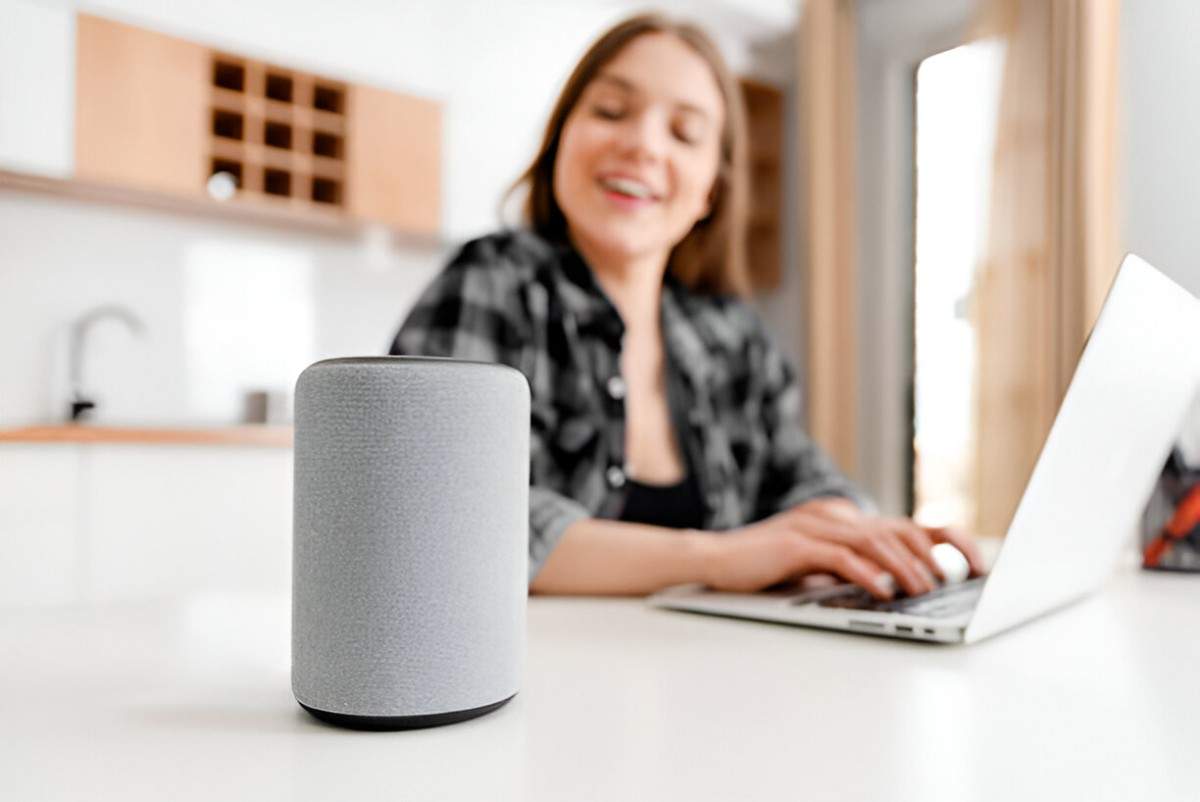
When I started looking for a smart speaker for my home, I was overwhelmed by the choices. There are so many models on the market, each with different features, capabilities, and price points. I found myself asking questions like: “Which one would suit my needs best?” “Is sound quality the most important factor?” and “Should I focus on price or functionality?” After spending a lot of time researching and testing, I now have a clearer understanding of what makes a smart speaker stand out and how to choose the right one for you. If you’re in the same boat, this guide will help you make an informed decision.
Table of Contents
What to Look for in a Smart Speaker
Before diving into specific models, it’s important to know what key features you should prioritize when choosing a smart speaker. Here’s what I focused on when I started my search:
1. Sound Quality
Sound quality is the first thing I considered. If you’re like me and you enjoy listening to music or podcasts, a smart speaker with poor sound quality is a dealbreaker. Whether you’re using it for casual background music or for focused listening, you’ll want a speaker that can produce clear, rich sound at various volumes. In my opinion, there’s no point in buying a smart speaker that doesn’t sound good.
2. Voice Assistant Compatibility
This was another major consideration for me. Smart speakers are usually equipped with one of the three leading voice assistants: Amazon Alexa, Google Assistant, or Apple Siri. I found it important to pick a speaker that works well with the voice assistant I already use in my home. If you’re already invested in a specific ecosystem—like Google or Amazon—this will make your decision easier.
3. Smart Home Integration
I wanted my speaker to do more than just play music. A smart speaker should integrate smoothly with your other smart home devices. Whether it’s controlling the lights, thermostat, or smart plugs, it’s essential that your speaker connects seamlessly with your existing devices. This makes the overall smart home experience much more enjoyable and functional.
4. Size and Design
Smart speakers come in all shapes and sizes. I quickly realized that I needed to balance sound quality and size. A bigger speaker may deliver better sound, but if it’s too bulky for your space, it won’t be practical. For my home, I needed something that fit my aesthetic and didn’t take up too much space.
5. Price
Price is always a factor in any purchase, and I wasn’t willing to overpay for features I didn’t need. With so many models out there, it’s possible to find a smart speaker that meets your requirements without breaking the bank. That said, I was ready to pay a little more for better sound quality and advanced features, especially if I felt that the speaker would serve me well over time.
Top Smart Speaker Brands
After narrowing down my key priorities, I started looking at the brands that consistently deliver high-quality smart speakers. Here’s a breakdown of the major players in the market:
1. Amazon Echo
The Amazon Echo series, powered by Alexa, is probably the most well-known in the smart speaker market. Echo speakers come in various models with different sizes and features. The sound quality ranges from good to excellent depending on the model, and the integration with Alexa is seamless, as you’d expect from an Amazon product.
2. Google Nest Audio
Google’s smart speakers are powered by Google Assistant. They are known for their excellent voice recognition capabilities and integration with Google services. Nest Audio, in particular, is a great choice for those who already use Google’s ecosystem, such as Google Home, Gmail, or Google Calendar.
3. Apple HomePod
Apple’s HomePod (and the newer HomePod mini) is tailored for those who are heavily invested in Apple’s ecosystem. Siri powers the HomePod, and it integrates perfectly with other Apple products. If you’re an Apple user, the HomePod could be the best option due to its integration with Apple Music and other services.
4. Sonos
Sonos smart speakers are known for their premium sound quality. They’re not as common in terms of smart assistants, but they do support Amazon Alexa and Google Assistant. If sound quality is your number one priority, Sonos is a brand worth considering.
Comparison Table of Popular Smart Speakers
Now that we’ve covered the basics, let’s take a closer look at how some of the top models compare:
| Feature | Amazon Echo 4th Gen | Google Nest Audio | Apple HomePod Mini | Sonos One |
|---|---|---|---|---|
| Voice Assistant | Alexa | Google Assistant | Siri | Alexa, Google Assistant |
| Sound Quality | Good | Good | Excellent | Excellent |
| Smart Home Integration | Excellent | Excellent | Excellent | Good |
| Size | Medium | Small | Small | Medium |
| Price | $99 | $99 | $99 | $199 |
| Additional Features | Zigbee hub, Audio Calling | Chromecast support | Apple Music integration | Multi-room audio, Great sound clarity |
As you can see, each model offers unique advantages. The Amazon Echo, for instance, excels in smart home integration, while the Sonos One is unbeatable when it comes to sound quality. The Google Nest Audio offers great compatibility with Google services, and the Apple HomePod is perfect for Apple users seeking seamless integration.
How to Choose the Best Smart Speaker for Your Home
After comparing the features and weighing the pros and cons of different models, I’d suggest focusing on a few key factors:
1. Ecosystem Compatibility
Consider what ecosystem you’re already using. If you have Alexa-compatible devices, an Amazon Echo might be your best bet. If you’re deep into Google’s ecosystem, the Google Nest Audio is a natural fit. Apple fans should consider the HomePod, which integrates perfectly with other Apple products.
2. Sound Quality vs. Price
For those on a budget, the Amazon Echo and Google Nest Audio are solid choices with good sound quality at an affordable price. If sound quality is your top priority, the Sonos One stands out as an excellent speaker, though it comes at a higher price point.
3. Smart Home Integration
If you have a smart home setup with lights, thermostats, or security cameras, consider a speaker that integrates well with your devices. Amazon Echo and Google Nest Audio shine in this department, both offering support for a wide variety of smart devices.
4. Size and Aesthetic
Think about where you’ll place the speaker and how it fits with your home décor. The HomePod mini, for example, is small and sleek, making it an excellent choice for a more minimalist look. If you want a more powerful speaker with a bit more bulk, the Sonos One may be the best fit.
5. Future Proofing
While I was considering which speaker to buy, I also thought about how my needs might evolve in the future. It’s always a good idea to invest in a speaker that will continue to meet your needs as smart home technology advances. A model with good integration options will ensure that you’re not left behind.
Conclusion
After thoroughly researching and considering all of the factors, I feel confident that I made the right choice for my home. Smart speakers have truly revolutionized how I interact with my living space. Whether it’s for music, smart home control, or hands-free assistance, choosing the right speaker can make a big difference. By keeping in mind your priorities—whether it’s sound quality, voice assistant compatibility, or price—you’ll be well on your way to picking the perfect smart speaker for your home. Hopefully, this guide has helped you navigate through the options and find a speaker that fits your needs.