
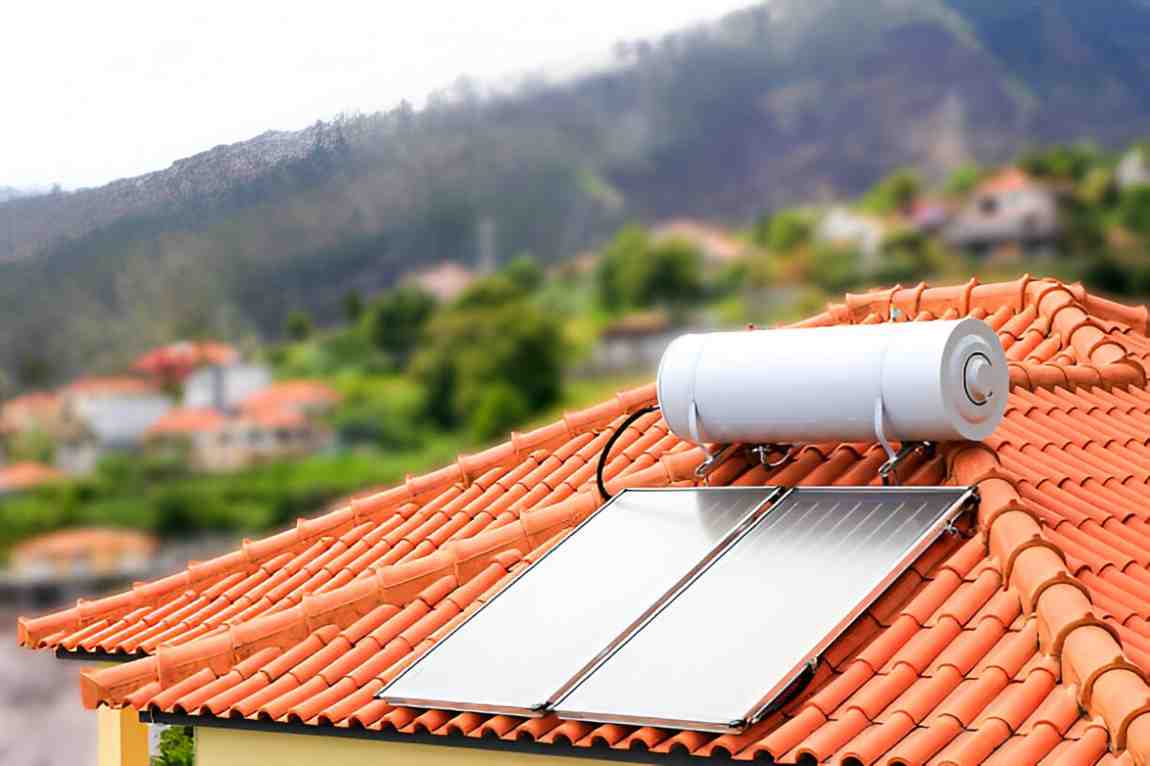
Solar water heaters are a smart and environmentally friendly choice for heating water. They utilize the energy from the sun, helping reduce electricity bills while minimizing your carbon footprint. I’ve spent quite a bit of time learning about solar water heaters, and in this guide, I’ll walk you through everything I’ve discovered. From understanding how they work to choosing the best one for your needs, you’ll find all the essential information here.
Table of Contents
Understanding Solar Water Heaters
Before we dive into how to choose the best solar water heater, it’s important to understand what they are and how they work. At their core, solar water heaters use solar panels to capture the sun’s energy. This energy is then used to heat water in a storage tank, which can be used for various purposes such as showers, washing, and even heating.
How Solar Water Heaters Work
- Solar Panels: These panels capture sunlight and convert it into heat. The panels can be installed either on the roof or another suitable place with direct sunlight exposure.
- Heat Transfer Fluid: A heat transfer fluid (usually water or a non-freezing liquid) is pumped through the panels. This fluid absorbs the heat from the sun.
- Storage Tank: The heated fluid is then transferred to a tank, where it warms the water for use.
- Backup System: Some solar water heaters come with a backup system that can help heat water when sunlight is insufficient, such as on cloudy days.
Now that we have a basic understanding of how solar water heaters work, let’s explore how to choose the best one for your needs.
Key Factors to Consider When Choosing a Solar Water Heater
1. Type of Solar Water Heater
There are three main types of solar water heaters:
- Active Solar Water Heaters: These systems use a pump to circulate water or a heat transfer fluid through the collector panels. Active systems are generally more efficient than passive ones and can be further divided into direct and indirect systems.
- Passive Solar Water Heaters: These rely on natural convection to circulate water. They are simpler, less expensive, and require less maintenance but are also less efficient than active systems.
- Split Systems: These have the collector panels placed on the roof, while the storage tank is located elsewhere, typically indoors. Split systems tend to be more expensive but are often more efficient and flexible.
Each type has its pros and cons, depending on your budget, location, and space.
2. Size of the System
The size of the solar water heater system you choose will largely depend on the number of people in your household and your water usage. A system that’s too small will struggle to meet your needs, while one that’s too large might waste energy.
Here’s a rough estimate for sizing:
| Household Size | System Size (Liters) |
|---|---|
| 1-2 people | 100-150 liters |
| 3-4 people | 150-250 liters |
| 5+ people | 250+ liters |
You can adjust this based on your specific needs. If you live in an area with a high demand for hot water, like a family of four with frequent showers, you might want to go for a larger system.
3. Climate and Location
Your location plays a huge role in determining the efficiency of your solar water heater. The more sun exposure you get, the more effective your system will be. In areas with plenty of sunlight, a solar water heater can meet most, if not all, of your water heating needs. In cloudy or colder regions, you might need a larger system or a backup heater.
If you live in a place with limited sunlight during certain times of the year, an indirect system with a backup heater will provide more consistent performance.
4. Collector Type
Solar water heater collectors come in two main types:
- Flat Plate Collectors: These are the most common and are generally good for most climates. They consist of a flat, insulated box containing solar cells. They work well in temperate and subtropical regions.
- Evacuated Tube Collectors: These consist of rows of glass tubes that contain a heat-absorbing material. They’re more expensive but work better in colder climates or where frost can be an issue.
Here’s a comparison table to help you decide which collector is better for you:
| Feature | Flat Plate Collectors | Evacuated Tube Collectors |
|---|---|---|
| Cost | Lower initial cost | Higher initial cost |
| Efficiency | Moderate in colder weather | Higher efficiency, even in cold weather |
| Durability | Generally long-lasting | More fragile but still durable |
| Climate Suitability | Best for warmer climates | Best for colder climates |
5. Storage Tank Capacity
The storage tank is where your water is heated and stored for later use. It’s essential to choose a tank that can hold enough water for your needs. If the tank is too small, it won’t provide enough hot water. If it’s too large, you’ll waste energy heating unnecessary water.
Tank sizes vary, and larger tanks are usually insulated better to keep the water hot for longer periods. Look for tanks with good insulation to minimize heat loss.
6. Efficiency and Performance
Efficiency is an essential factor when choosing a solar water heater. A more efficient system will provide more hot water and will be better for the environment. Efficiency depends on several factors, including:
- Collector Efficiency: The type and quality of the solar collector significantly impact the overall system efficiency.
- Thermal Efficiency: This measures how effectively the solar collector converts sunlight into heat.
- Insulation: A well-insulated tank will help retain the heat and minimize energy loss.
You can also look at the Solar Fraction, which measures the percentage of your total hot water needs met by solar energy. A higher solar fraction indicates a more efficient system.
7. Cost and Budget
Cost is a crucial consideration when choosing a solar water heater. While solar water heaters can be expensive upfront, they save money in the long run by reducing energy bills. The total cost will depend on several factors, including:
- Type of system (active or passive)
- Size of the system
- Quality of the collector and tank
- Installation fees
Here’s a rough idea of the cost breakdown:
| Type | Cost Range (USD) |
|---|---|
| Active Solar System | $2,000 – $5,000 |
| Passive Solar System | $1,000 – $2,500 |
| Split System | $3,000 – $6,000 |
8. Installation and Maintenance
Installation costs can vary depending on the complexity of the system, the size of the installation, and your location. Always get multiple quotes from professional installers and check reviews to ensure they are reputable.
Regarding maintenance, solar water heaters require little upkeep, but they should be checked regularly for any leaks, damages, or dirt buildup on the collector panels. Proper maintenance will ensure your system runs efficiently and lasts for many years.
Conclusion
Choosing the best solar water heater is a decision that requires careful thought. By considering factors such as system type, climate, size, and budget, you can find the best solution for your needs. Remember that the initial cost may be high, but the long-term savings and environmental benefits are substantial.
Solar water heaters can significantly reduce energy costs and contribute to sustainability efforts. By choosing the right system, you’ll ensure that your household has a reliable, eco-friendly way to meet its water heating needs for years to come.