
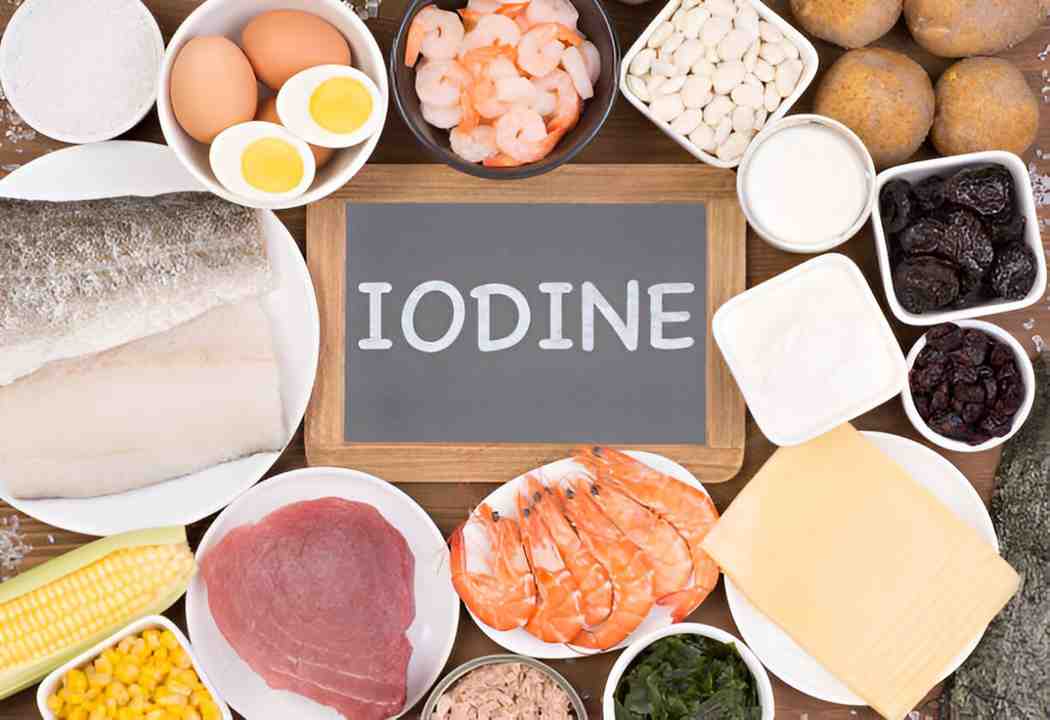
Iodine is an essential trace element that plays a critical role in maintaining overall health. It is vital for the synthesis of thyroid hormones, which regulate numerous bodily functions, including metabolism, growth, and development. This article delves into the nutritional values, key health benefits, potential therapeutic uses, cautions, and ways to incorporate iodine into your diet.
Summary Table
| Aspect | Details |
|---|---|
| Nutritional Values | RDA varies: 150 mcg for adults, 220 mcg for pregnant women, 290 mcg for breastfeeding women |
| Key Health Benefits | Thyroid health, cognitive function, metabolism regulation, immune support, hormonal balance, skin health |
| Potential Therapeutic Uses | Prevention/treatment of iodine deficiency disorders, treatment of hyperthyroidism |
| Cautions | Excessive intake risks, medication interactions, caution with thyroid disorders |
| Incorporation into Diet | Iodized salt, seafood, dairy products, eggs, fortified foods, supplements |
Nutritional Values
Iodine is measured in micrograms (mcg) and the Recommended Dietary Allowance (RDA) varies by age, gender, and life stage. Here are the RDA values for different groups:
- Infants (0-6 months): 110 mcg
- Infants (7-12 months): 130 mcg
- Children (1-8 years): 90 mcg
- Children (9-13 years): 120 mcg
- Adolescents and Adults (14+ years): 150 mcg
- Pregnant Women: 220 mcg
- Breastfeeding Women: 290 mcg
Key Health Benefits
1. Thyroid Health
Iodine is crucial for the production of thyroid hormones, thyroxine (T4) and triiodothyronine (T3). These hormones regulate the body’s metabolic rate, heart function, digestion, muscle control, brain development, and bone maintenance.
2. Cognitive Function
Adequate iodine levels are essential for brain development and cognitive function. Iodine deficiency during pregnancy and early childhood can lead to developmental delays and cognitive impairments.
3. Metabolism Regulation
Thyroid hormones, which require iodine, are essential for regulating the body’s metabolism. They help convert food into energy and regulate the metabolic rate.
4. Immune System Support
Iodine has antibacterial properties and contributes to a healthy immune system. It helps in the production of white blood cells, which are vital for fighting infections.
5. Hormonal Balance
Iodine plays a role in maintaining hormonal balance by supporting the thyroid gland. This balance is critical for overall hormonal health, influencing everything from energy levels to mood stability.
6. Skin Health
Iodine helps in the repair of skin tissue and can be beneficial in treating various skin conditions. It promotes skin hydration and elasticity.
Potential Therapeutic Uses
Iodine Deficiency Disorders
Iodine deficiency can lead to a range of health issues, collectively known as iodine deficiency disorders (IDD). These include goiter (enlarged thyroid gland), hypothyroidism (low thyroid hormone levels), and developmental abnormalities in children. Supplementing with iodine can help prevent and treat these conditions.
Hyperthyroidism
In certain cases, iodine is used to treat hyperthyroidism (overactive thyroid) by reducing the production of thyroid hormones.
Cautions
Excessive Iodine Intake
While iodine is essential, excessive intake can cause health issues, including thyroid gland inflammation and thyroid dysfunction. The tolerable upper intake level for adults is 1,100 mcg per day.
Interactions with Medications
Iodine can interact with certain medications, such as antithyroid drugs, lithium, and amiodarone. Consult a healthcare provider before increasing iodine intake if you are on these medications.
Thyroid Disorders
Individuals with pre-existing thyroid conditions, such as Graves’ disease or Hashimoto’s thyroiditis, should be cautious with iodine intake and consult their healthcare provider.
How to Incorporate Iodine into Your Diet
Iodized Salt
The most common source of dietary iodine is iodized salt. Using iodized salt in cooking and at the table can help ensure adequate iodine intake.
Seafood
Fish, seaweed, and shellfish are excellent natural sources of iodine. Incorporating these into your diet can boost your iodine levels.
Dairy Products
Milk, cheese, and yogurt are good sources of iodine. Regular consumption of these can help maintain adequate iodine levels.
Eggs
Eggs, particularly the yolk, contain iodine. Including eggs in your diet can contribute to your daily iodine intake.
Fortified Foods
Some foods are fortified with iodine, such as bread and cereals. Check labels to ensure you are getting fortified options.
Supplements
Iodine supplements are available for those who may not get enough from their diet. However, it’s important to consult with a healthcare provider before starting any supplementation.
Iodine is a vital nutrient that supports numerous bodily functions, particularly thyroid health. By ensuring adequate intake through a balanced diet or supplements, you can enjoy the numerous health benefits iodine offers while avoiding potential risks associated with deficiency or excessive intake.