Vitamin E is a powerful antioxidant that plays a crucial role in maintaining healthy skin. Widely known for its skin benefits, Vitamin E is often used in various skincare products and dietary supplements. This article explores the nutritional values, key health benefits, potential therapeutic uses, cautions, and ways to incorporate Vitamin E into your diet for optimal skin health.
Summary Table
| Aspect | Details |
|---|---|
| Nutritional Values | Daily intake: 15 mg (22.4 IU) for adults, 19 mg (28.5 IU) for lactating women; found in nuts, seeds, oils, leafy greens, avocados |
| Key Health Benefits | Antioxidant protection, moisturizing, wound healing, sun protection, scar and stretch mark reduction |
| Therapeutic Uses | Relief for eczema and psoriasis, treatment for hyperpigmentation, cold sore treatment |
| Cautions | Potential allergic reactions, risk of overuse, interactions with medications |
| Dietary Incorporation | Through foods (nuts, seeds, leafy greens, oils), dietary supplements, topical application |
Nutritional Values
Vitamin E is a fat-soluble vitamin found in various foods and available as a dietary supplement. It comes in several forms, but alpha-tocopherol is the most active in humans.
- Daily Recommended Intake:
- Adults: 15 mg (22.4 IU)
- Lactating women: 19 mg (28.5 IU)
- Food Sources:
- Nuts and seeds (almonds, sunflower seeds)
- Vegetable oils (wheat germ oil, sunflower oil, safflower oil)
- Green leafy vegetables (spinach, broccoli)
- Fortified cereals
- Avocados
Key Health Benefits for Skin
1. Antioxidant Protection
Vitamin E protects the skin from damage caused by free radicals, which are unstable molecules that can harm skin cells. By neutralizing free radicals, Vitamin E helps prevent signs of aging such as wrinkles and fine lines.
2. Moisturizing Properties
As a fat-soluble vitamin, Vitamin E helps maintain the skin’s natural barrier, keeping it hydrated and preventing dryness. It is an effective moisturizer that can soothe dry and flaky skin.
3. Wound Healing
Vitamin E can accelerate the healing process of wounds and scars. Its anti-inflammatory properties reduce skin inflammation and promote faster recovery of damaged skin.
4. Sun Protection
While Vitamin E is not a substitute for sunscreen, it enhances the skin’s defense against UV-induced damage when used in conjunction with other sun protection methods. It helps reduce the effects of sunburn and photoaging.
5. Scar and Stretch Mark Reduction
Vitamin E is commonly used to minimize the appearance of scars and stretch marks. Its ability to regenerate new skin cells and improve skin elasticity makes it effective in reducing the visibility of these skin imperfections.
Potential Therapeutic Uses
Eczema and Psoriasis Relief
Vitamin E’s moisturizing and anti-inflammatory properties can help alleviate the symptoms of eczema and psoriasis, providing relief from itching and flaking.
Hyperpigmentation Treatment
Vitamin E can help lighten dark spots and hyperpigmentation by repairing damaged skin and promoting an even skin tone.
Cold Sore Treatment
Topical application of Vitamin E oil can help reduce the duration and pain of cold sores by moisturizing the affected area and promoting faster healing.
Cautions
Allergic Reactions
Some individuals may experience allergic reactions to Vitamin E, particularly when applied topically. Symptoms can include redness, itching, and rash. It is advisable to perform a patch test before extensive use.
Oral Supplement Overuse
Excessive intake of Vitamin E supplements can lead to adverse effects such as nausea, diarrhea, fatigue, and increased risk of bleeding. It is important to adhere to recommended dosages.
Interactions with Medications
Vitamin E can interact with certain medications, such as blood thinners and chemotherapy drugs. Consult a healthcare provider before starting Vitamin E supplements if you are on medication.
How to Incorporate Vitamin E into Your Diet
Through Food
Including Vitamin E-rich foods in your diet is the best way to ensure adequate intake. Add nuts, seeds, and green leafy vegetables to your meals. Use vegetable oils like sunflower or safflower oil in cooking.
Dietary Supplements
Vitamin E supplements are available in various forms, including capsules and tablets. Choose a reputable brand and follow the recommended dosage.
Topical Application
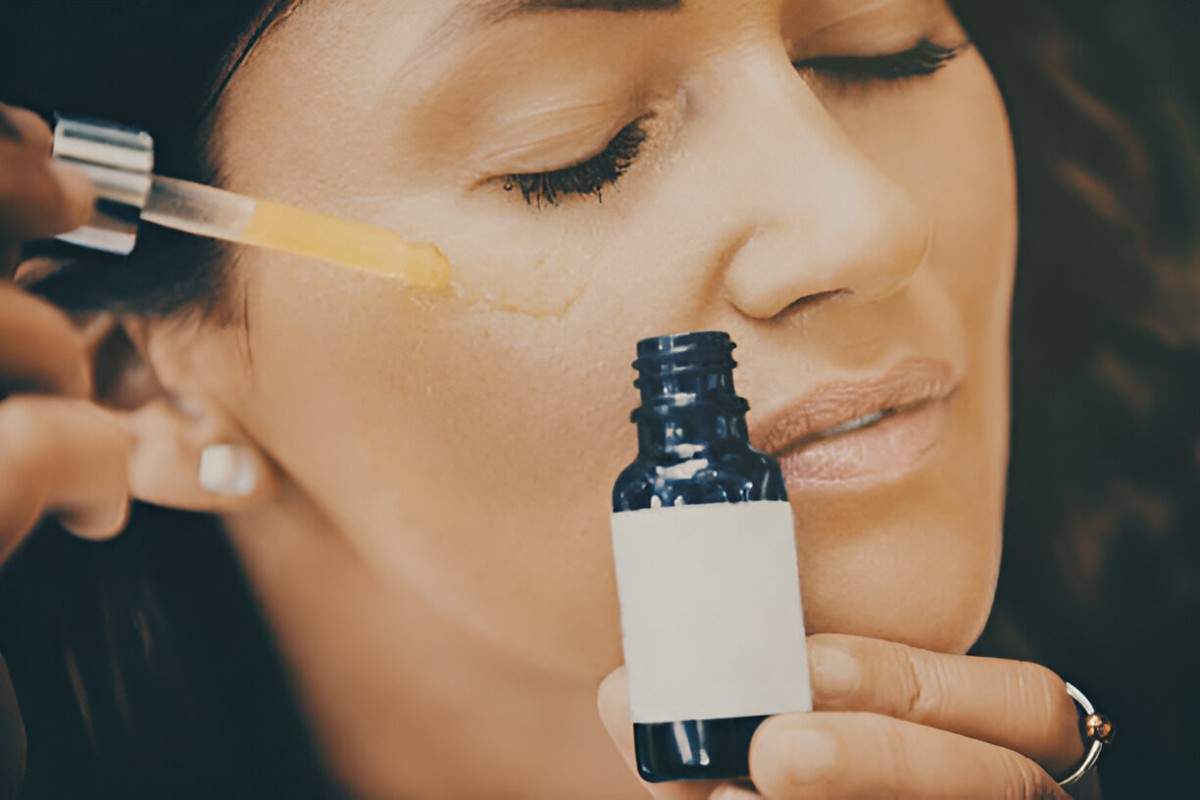
Many skincare products, such as moisturizers, serums, and oils, contain Vitamin E. These can be directly applied to the skin to reap its benefits. Pure Vitamin E oil can also be used for targeted treatment of scars and dry patches.
Vitamin E is a versatile nutrient with numerous benefits for skin health, ranging from antioxidant protection to moisturizing and healing properties. While it offers various therapeutic uses, it is important to use it cautiously to avoid potential adverse effects. By incorporating Vitamin E-rich foods into your diet and using appropriate skincare products, you can enjoy healthier, more radiant skin.