
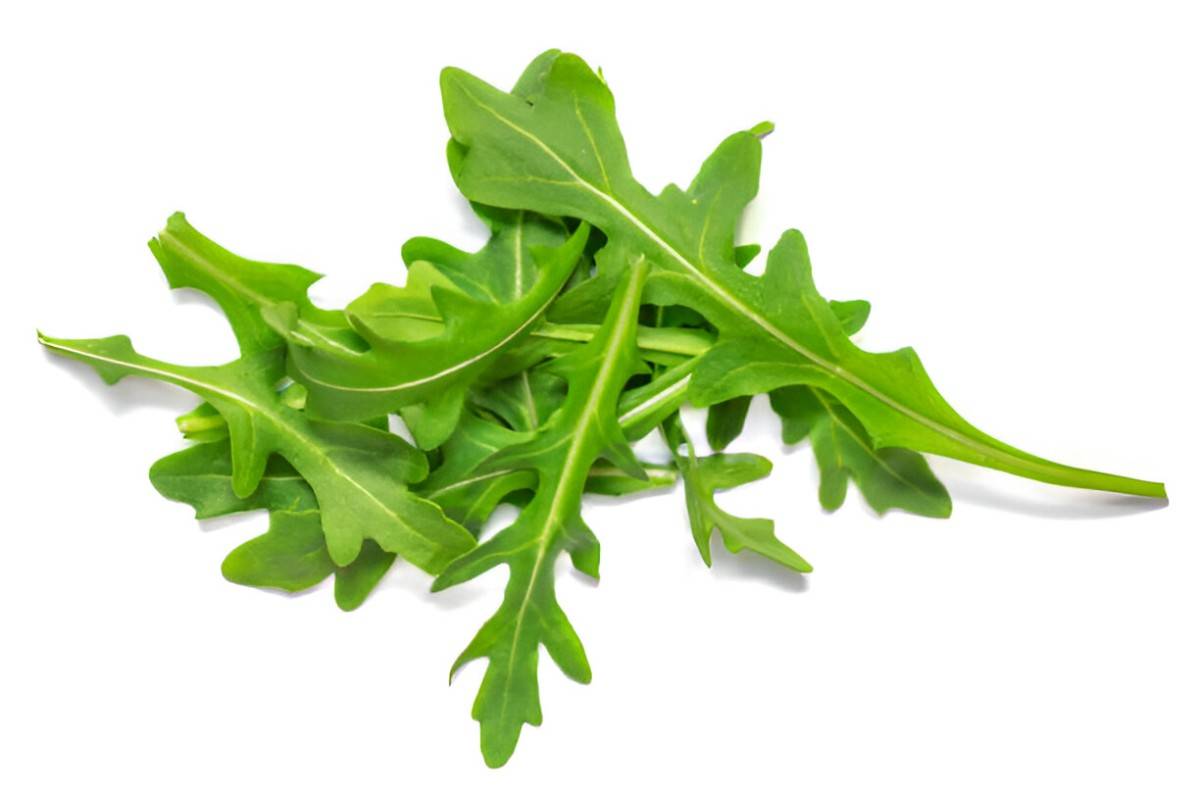
Arugula, also known as rocket or rucola, is a leafy green vegetable with a distinctive peppery flavor. Beyond its culinary appeal, arugula is packed with essential nutrients and offers a myriad of health benefits. Let’s explore its nutritional values, key health benefits, potential therapeutic uses, cautions, ways to incorporate it into your diet, and other relevant information.
Summary Table
| Nutritional Values | Key Health Benefits | Potential Therapeutic Uses | Cautions | Incorporation |
|---|---|---|---|---|
| – Vitamins | – Supports Bone Health | – Cancer Prevention | – Thyroid Function | – Salads |
| – Minerals | – Boosts Immune Function | – Pesto | ||
| – Antioxidants | – Promotes Heart Health | – Sandwiches | ||
| – Phytochemicals | – Supports Eye Health | |||
| – Fiber | – Aids Digestive Health |
Nutritional Values of Arugula
Arugula is low in calories but high in nutrients, making it an excellent addition to a healthy diet. Here are some key nutritional values of arugula:
- Vitamins: Arugula is rich in vitamins A, C, and K, which play crucial roles in immune function, collagen production, and bone health.
- Minerals: It contains essential minerals such as calcium, potassium, and magnesium, which support bone strength, muscle function, and electrolyte balance.
- Antioxidants: Arugula is packed with antioxidants like beta-carotene, lutein, and zeaxanthin, which help protect cells from oxidative damage and reduce the risk of chronic diseases.
- Phytochemicals: It contains phytochemicals such as glucosinolates, which have anti-inflammatory and anti-cancer properties.
Key Health Benefits of Arugula
- Supports Bone Health: The high vitamin K and calcium content in arugula promote bone strength and reduce the risk of osteoporosis.
- Boosts Immune Function: The vitamins A and C in arugula support immune function, helping the body defend against infections and illnesses.
- Promotes Heart Health: Arugula’s potassium and antioxidants help lower blood pressure, reduce inflammation, and protect against cardiovascular diseases.
- Supports Eye Health: The carotenoids lutein and zeaxanthin in arugula promote eye health and may reduce the risk of age-related macular degeneration.
- Aids Digestive Health: The fiber in arugula supports digestive health, prevents constipation, and promotes a healthy gut microbiome.
Potential Therapeutic Uses
- Cancer Prevention: Some studies suggest that the phytochemicals in arugula may have anti-cancer properties and help prevent the growth and spread of cancer cells.
Cautions
- Thyroid Function: Arugula contains compounds called goitrogens, which may interfere with thyroid function in individuals with thyroid disorders. However, moderate consumption is unlikely to cause harm.
Incorporating Arugula into Your Diet
- Salads: Use arugula as a base for salads or mix it with other leafy greens for added flavor and nutrition.
- Pesto: Make homemade pesto with arugula, garlic, pine nuts, olive oil, and Parmesan cheese for a delicious pasta sauce or spread.
- Sandwiches: Add arugula leaves to sandwiches, wraps, or burgers for a peppery kick and extra crunch.
Arugula is a nutrient-dense leafy green vegetable with a range of health benefits, from supporting bone and heart health to boosting immune function and promoting eye health. By incorporating arugula into your diet through salads, pesto, sandwiches, and other dishes, you can enjoy its delicious flavor and reap its nutritional rewards. As with any dietary change, it’s essential to consume arugula as part of a balanced diet and consult with a healthcare provider if you have any concerns or underlying health conditions.