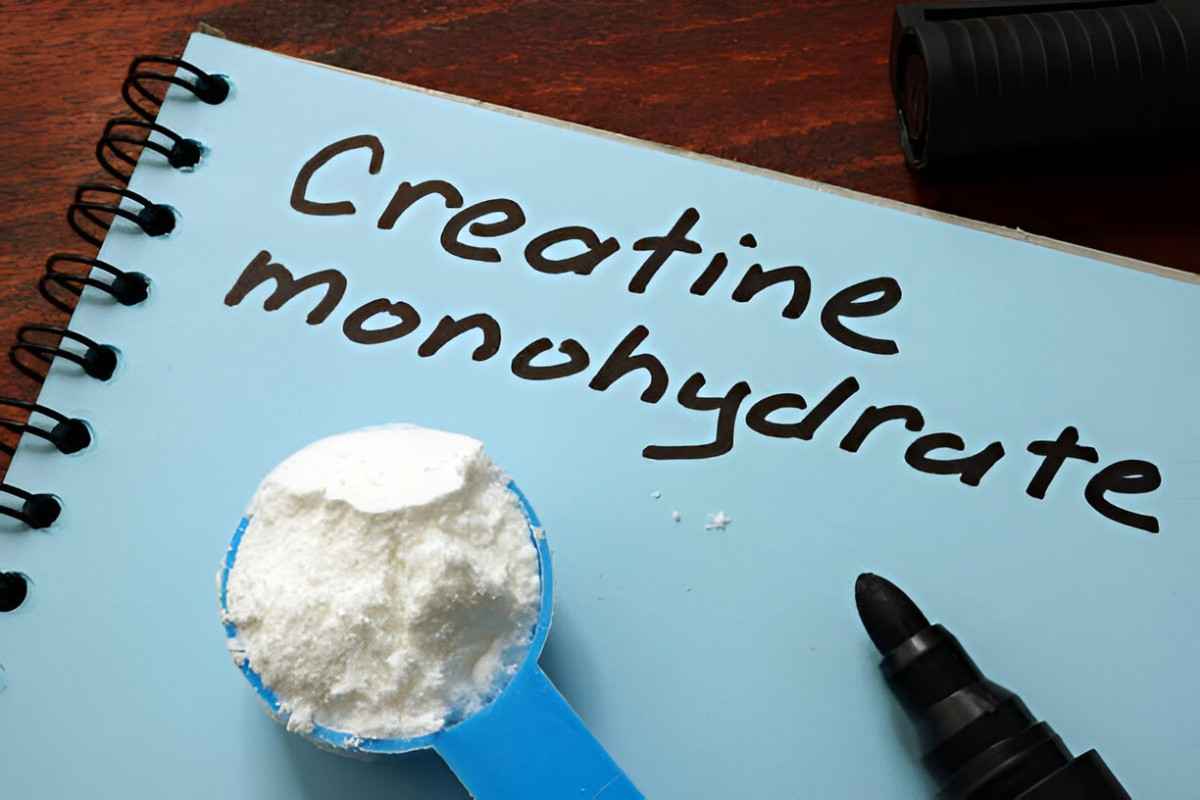
Creatine monohydrate is a popular dietary supplement known for its ability to enhance athletic performance and support muscle growth. While commonly associated with bodybuilding and strength training, creatine monohydrate offers a range of potential health benefits beyond the realm of fitness. In this article, we’ll explore the nutritional values, key health benefits, potential therapeutic uses, cautions, ways to incorporate creatine monohydrate into your diet, and other relevant information.
Summary Table
| Aspect | Details |
|---|---|
| Nutritional Values | Naturally occurring compound found in meat and fish |
| Key Health Benefits | Improved exercise performance, muscle growth, neuroprotective effects, potential medical uses |
| Cautions | Dehydration, digestive issues, kidney health |
| Incorporating into Diet | Loading phase followed by maintenance dose, timing around workouts, mixing with beverages |
Nutritional Values
Creatine monohydrate is a naturally occurring compound found in small amounts in various foods, primarily meat and fish. As a dietary supplement, creatine monohydrate is typically consumed in powdered form, providing a concentrated source of creatine. While creatine itself does not contain significant macronutrients like protein, fat, or carbohydrates, it plays a crucial role in cellular energy metabolism and muscle function.
Key Health Benefits
- Improved Exercise Performance: Creatine monohydrate is well-known for its ability to enhance exercise performance, particularly during high-intensity, short-duration activities like weightlifting, sprinting, and interval training. By increasing the availability of adenosine triphosphate (ATP), the primary energy currency of cells, creatine supplementation may help delay fatigue and improve power output.
- Muscle Growth and Strength: Creatine monohydrate supplementation has been shown to promote muscle growth and strength gains, especially when combined with resistance training. Creatine helps increase muscle mass by drawing water into muscle cells and stimulating protein synthesis, leading to greater muscle hypertrophy over time.
- Neuroprotective Effects: Emerging research suggests that creatine monohydrate may have neuroprotective properties and could benefit brain health. Studies have shown that creatine supplementation may help protect neurons from damage, improve cognitive function, and enhance memory and learning abilities.
- Treatment for Certain Medical Conditions: Creatine monohydrate has been investigated as a potential therapeutic agent for various medical conditions, including neurodegenerative diseases like Parkinson’s and Huntington’s disease, as well as muscle-wasting conditions like muscular dystrophy. While more research is needed, preliminary studies have shown promising results in some cases.
Cautions
While creatine monohydrate is generally considered safe for most people when used as directed, there are some cautions to be aware of:
- Dehydration: Creatine supplementation may cause the body to retain water, leading to temporary weight gain and increased risk of dehydration, especially if adequate fluid intake is not maintained. It’s essential to drink plenty of water while using creatine to stay hydrated.
- Digestive Issues: Some individuals may experience digestive discomfort, such as bloating, gas, or diarrhea, when starting creatine supplementation. Starting with a lower dose and gradually increasing intake may help minimize digestive side effects.
- Kidney Health: While long-term use of creatine monohydrate has not been shown to have adverse effects on kidney function in healthy individuals, those with pre-existing kidney conditions should use caution and consult with a healthcare professional before using creatine supplements.
Incorporating Creatine Monohydrate into Your Diet
Creatine monohydrate supplements are available in powder or capsule form and can be easily incorporated into your daily routine. Here are some tips for using creatine monohydrate:
- Loading Phase: Some people choose to start with a loading phase of higher doses (typically 20 grams per day) for the first 5-7 days to quickly saturate muscle stores of creatine, followed by a maintenance phase of 3-5 grams per day.
- Timing: Creatine monohydrate can be taken at any time of day, but many people prefer to consume it before or after workouts to maximize its benefits for exercise performance and muscle growth.
- Mixing: Creatine powder can be mixed with water, juice, or your favorite beverage for easy consumption. It’s best to consume creatine shortly after mixing to prevent degradation.
Creatine monohydrate is a versatile dietary supplement with a range of potential health benefits, from enhancing exercise performance and promoting muscle growth to supporting brain health and potentially treating certain medical conditions. By incorporating creatine monohydrate into your fitness regimen and following dosage instructions responsibly, you can unlock its full potential to support your overall health and well-being.