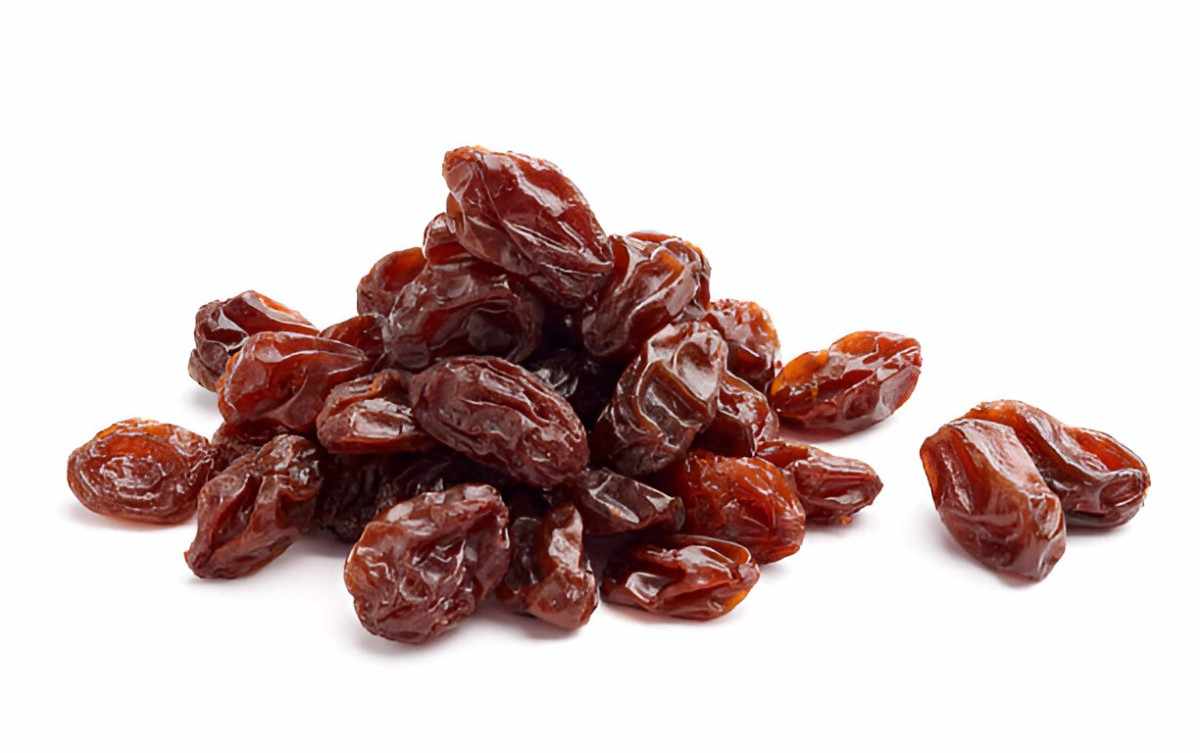
Raisins, the dried form of grapes, have been enjoyed for their sweetness and versatility in cooking for centuries. Beyond their delightful taste, raisins offer a rich nutritional profile and a range of health benefits. In this article, we will explore the nutritional values, key health benefits, potential disease-fighting properties, cautions, methods of incorporating raisins into your diet, and other relevant information.
Summary Table
| Nutritional Values | Key Health Benefits | Diseases | Cautions | Incorporation |
|---|---|---|---|---|
| – Calories: 85 | – Rich in Antioxidants | – Heart Disease | – High Sugar Content | – Snacks |
| – Protein: 1g | – Digestive Health | – Osteoporosis | – Allergic Reactions | – Breakfast |
| – Carbohydrates: 22g | – Bone Health | – Diabetes Management | – Dental Health | – Baking |
| – Dietary Fiber: 1g | – Heart Health | – Salads | ||
| – Sugars: 17g | – Energy Boost | – Cooking | ||
| – Potassium: 6% RDI | – Iron Source | |||
| – Iron: 3% RDI | ||||
| – Calcium: 2% RDI | ||||
| – Vitamin C: 1% RDI |
Nutritional Values:
Raisins are a concentrated source of energy, vitamins, and minerals. A standard serving of raisins (1 ounce or about 28 grams) typically contains:
- Calories: 85
- Protein: 1 gram
- Carbohydrates: 22 grams
- Dietary Fiber: 1 gram
- Sugars: 17 grams
- Fat: 0 grams
- Potassium: 6% of the Recommended Daily Intake (RDI)
- Iron: 3% of the RDI
- Calcium: 2% of the RDI
- Vitamin C: 1% of the RDI
Key Health Benefits:
- Rich in Antioxidants: Raisins are packed with antioxidants, including polyphenols, which help protect cells from oxidative damage and reduce inflammation.
- Digestive Health: The fiber content in raisins aids digestion, promotes regular bowel movements, and helps prevent constipation.
- Bone Health: Raisins contain calcium and boron, which are essential for maintaining strong and healthy bones.
- Heart Health: The potassium in raisins helps regulate blood pressure and supports heart health by reducing the risk of cardiovascular diseases.
- Energy Boost: Raisins are a quick source of energy due to their natural sugars, making them an excellent snack for athletes and active individuals.
- Iron Source: Raisins provide a modest amount of iron, which is vital for the production of red blood cells and the prevention of anemia.
Potential Disease-Fighting Properties:
While raisins themselves may not cure specific diseases, their nutrient-rich profile can contribute to the prevention and management of certain health conditions, including:
- Heart Disease: The antioxidants and potassium in raisins can help reduce blood pressure, lower cholesterol levels, and improve heart health, reducing the risk of heart disease.
- Osteoporosis: The calcium and boron in raisins support bone health and may help prevent osteoporosis, particularly in postmenopausal women.
- Diabetes Management: Raisins have a low to moderate glycemic index and may help regulate blood sugar levels when consumed in moderation as part of a balanced diet.
Cautions:
While raisins are generally safe for consumption, there are a few considerations to keep in mind:
- High Sugar Content: Raisins are high in natural sugars and calories, so it’s essential to consume them in moderation, especially for individuals with diabetes or those trying to manage their weight.
- Allergic Reactions: Some people may be allergic to grapes and, by extension, raisins. If you have a known grape allergy, avoid consuming raisins.
- Dental Health: The sticky nature of raisins can adhere to teeth and contribute to dental cavities if proper oral hygiene is not maintained.
Incorporating Raisins Into Your Diet:
There are numerous ways to enjoy raisins in your diet:
- Snacks: Eat a handful of raisins on their own as a quick and nutritious snack.
- Breakfast: Add raisins to cereals, oatmeal, yogurt, or smoothie bowls for added sweetness and nutrition.
- Baking: Use raisins in baked goods like cookies, muffins, bread, and cakes.
- Salads: Sprinkle raisins on salads for a burst of sweetness and texture.
- Cooking: Incorporate raisins into savory dishes such as rice pilaf, couscous, or stuffed vegetables for a hint of sweetness.
Raisins are a nutritious and versatile food that can provide numerous health benefits when included in a balanced diet. By enjoying raisins in moderation and incorporating them into various dishes, you can take advantage of their natural sweetness and rich nutrient profile.