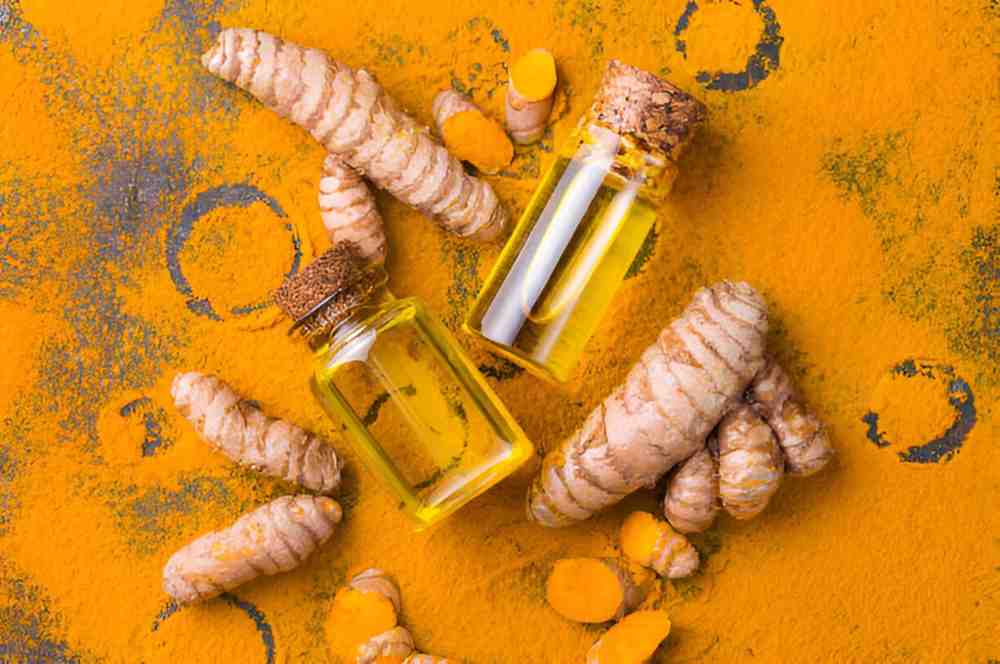
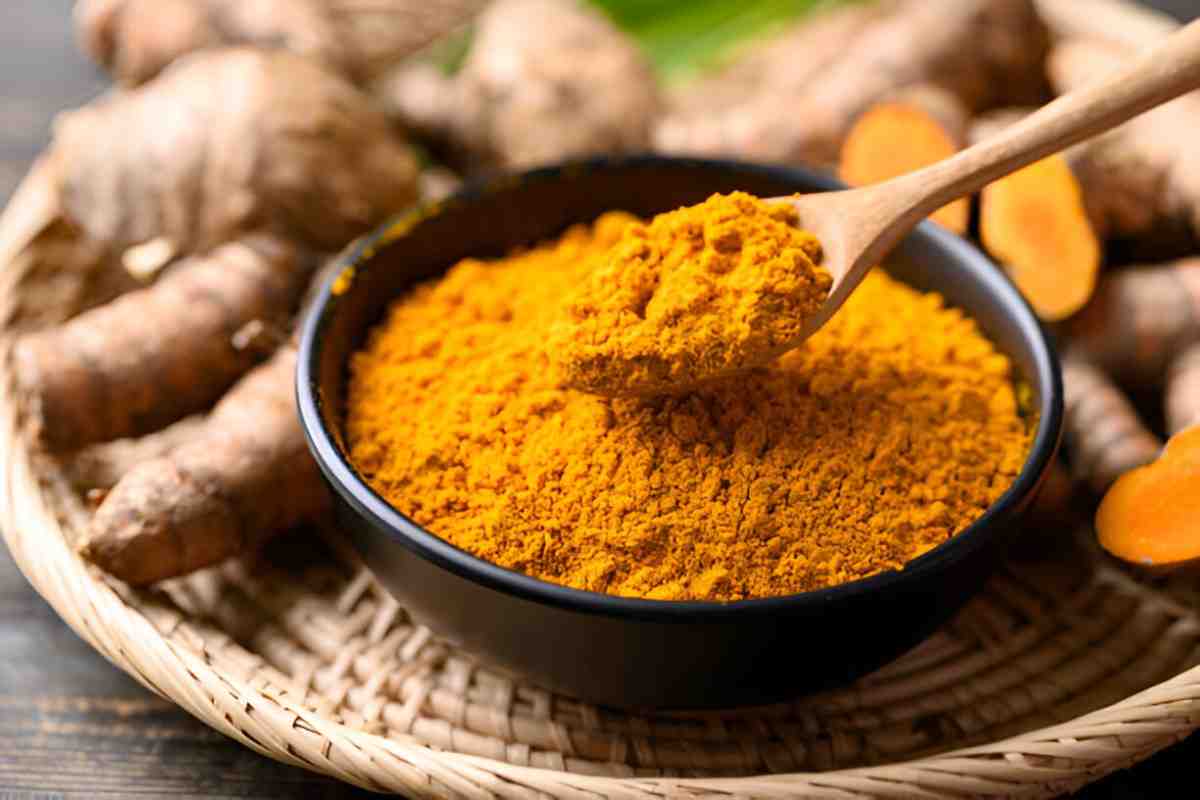
Turmeric, the golden spice derived from the Curcuma longa plant, has been celebrated for its medicinal properties for centuries. Curcumin, the main active compound in turmeric, is renowned for its potent anti-inflammatory and antioxidant effects. In this article, we’ll explore the nutritional values, key health benefits, potential therapeutic uses, cautions, ways to incorporate turmeric curcumin into your diet, and other relevant information.
Summary Table
| Aspect | Details |
|---|---|
| Nutritional Values | Rich in curcuminoids, volatile oils, manganese, iron, and vitamin B6 |
| Key Health Benefits | Anti-inflammatory, antioxidant, potential cancer prevention, supports brain health |
| Therapeutic Uses | Digestive disorders, joint pain and arthritis |
| Cautions | Blood-thinning effects, gastrointestinal effects |
| Incorporating into Diet | Curry dishes, golden milk, smoothies |
Nutritional Values
Turmeric is rich in bioactive compounds, including curcuminoids, volatile oils, and nutrients such as manganese, iron, and vitamin B6. Curcumin, the primary curcuminoid found in turmeric, is responsible for many of its health benefits. However, it’s important to note that the concentration of curcumin in turmeric is relatively low, typically around 2-5% by weight.
Key Health Benefits
- Powerful Anti-Inflammatory Properties: Curcumin is known for its potent anti-inflammatory effects, which can help reduce inflammation in the body and alleviate symptoms of inflammatory conditions such as arthritis, rheumatoid arthritis, and inflammatory bowel disease (IBD).
- Strong Antioxidant Activity: Curcumin exhibits powerful antioxidant properties, scavenging free radicals and neutralizing oxidative stress. By combating oxidative damage, curcumin helps protect cells and tissues from age-related degeneration and chronic diseases such as cancer and cardiovascular disease.
- Potential Cancer Prevention: Some studies suggest that curcumin may have anti-cancer properties, inhibiting the growth and spread of cancer cells and inducing apoptosis (cell death) in various types of cancer, including breast, colon, prostate, and pancreatic cancer.
- Supports Brain Health: Curcumin may support brain health and cognitive function by crossing the blood-brain barrier and exerting neuroprotective effects. It may help reduce the risk of neurodegenerative diseases such as Alzheimer’s disease and Parkinson’s disease by inhibiting the accumulation of amyloid plaques and tau tangles in the brain.
Therapeutic Uses
In addition to its key health benefits, turmeric curcumin may offer therapeutic benefits for specific health conditions, including:
- Digestive Disorders: Curcumin may help alleviate symptoms of digestive disorders such as irritable bowel syndrome (IBS), Crohn’s disease, and ulcerative colitis by reducing inflammation in the gastrointestinal tract and supporting gut health.
- Joint Pain and Arthritis: Curcumin’s anti-inflammatory properties make it a popular natural remedy for joint pain and arthritis. It may help reduce pain, stiffness, and swelling associated with osteoarthritis and rheumatoid arthritis, improving joint function and mobility.
Cautions
- Blood-Thinning Effects: Curcumin may have mild blood-thinning effects, which could increase the risk of bleeding, especially in individuals taking blood-thinning medications such as warfarin or aspirin. If you are taking these medications or have a bleeding disorder, consult with your healthcare provider before consuming large amounts of turmeric or curcumin supplements.
- Gastrointestinal Effects: High doses of curcumin may cause gastrointestinal side effects such as nausea, diarrhea, and indigestion in some individuals. It’s advisable to start with small doses and gradually increase intake to assess tolerance.
Incorporating Turmeric Curcumin into Your Diet
There are several ways to incorporate turmeric curcumin into your diet:
- Curry Dishes: Turmeric is a key ingredient in curry powder, giving it its vibrant color and distinctive flavor. Adding turmeric to curry dishes, soups, stews, and stir-fries is an easy way to reap its health benefits.
- Golden Milk: Golden milk, also known as turmeric latte, is a warm beverage made with turmeric, milk (or plant-based milk), and spices such as cinnamon, ginger, and black pepper. Enjoying a cup of golden milk before bed can promote relaxation and support overall well-being.
- Smoothies: Adding a teaspoon of turmeric powder or a tablespoon of grated fresh turmeric root to your morning smoothie is a convenient way to incorporate turmeric into your daily routine.
Turmeric curcumin offers a myriad of health benefits, from its potent anti-inflammatory and antioxidant properties to its potential role in cancer prevention and brain health. By incorporating turmeric into your diet or taking curcumin supplements as needed, you can harness the natural healing power of this golden spice to support your overall health and well-being.