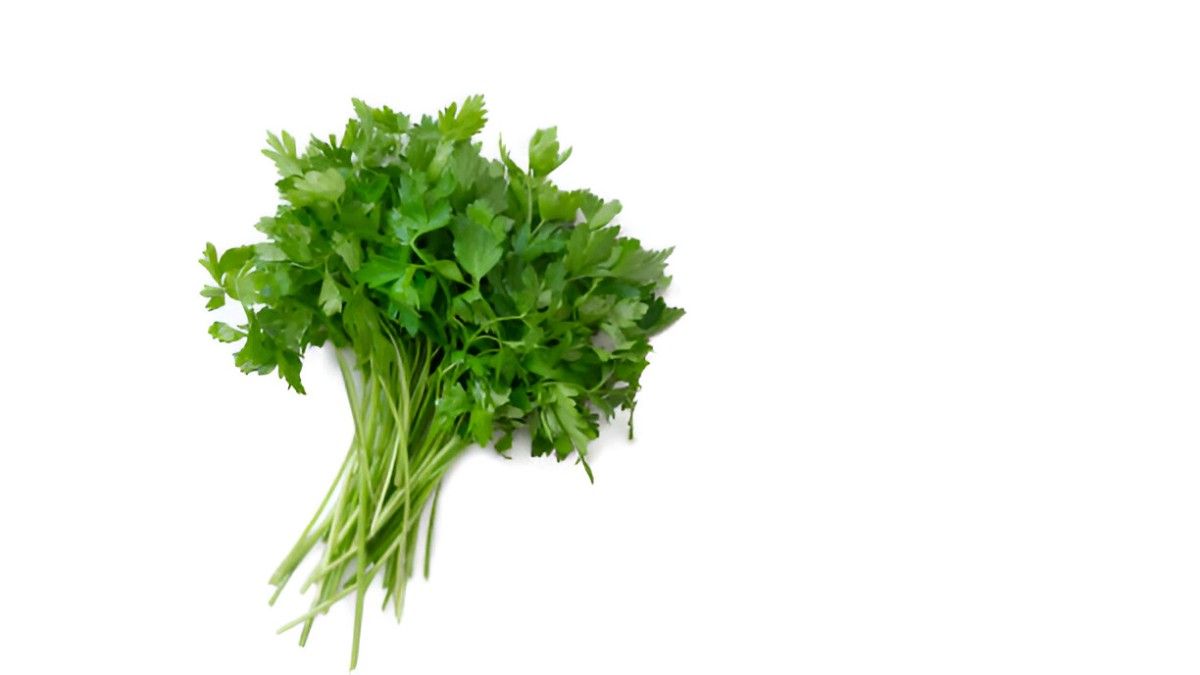
Parsley, known scientifically as Petroselinum crispum, is more than just a garnish on your plate. This humble herb is loaded with essential nutrients and offers a plethora of health benefits. Let’s delve into the nutritional values, key health benefits, potential therapeutic uses, cautions, and ways to incorporate parsley into your diet.
Summary Table
| Nutritional Values | Key Health Benefits | Potential Therapeutic Uses | Cautions | Incorporation |
|---|---|---|---|---|
| – Calories: 36 kcal per 100g | – Rich in Antioxidants | – Kidney Health | – Allergic Reactions | – Fresh Herb |
| – Protein: 3 grams per 100g | – Supports Heart Health | – Menstrual Pain Relief | – Pregnancy | – Garnish |
| – Carbohydrates: 7.3 grams per 100g | – Bone Health | – Diabetes Management | – Kidney Disorders | – Smoothies |
| – Fat: 0.8 grams per 100g | – Anti-Inflammatory Properties | – Cancer Prevention | – Herbicide and Pesticide Residues | – Pesto |
| – Fiber: 3.3 grams per 100g | – Boosts Immunity | – Tea | ||
| – Vitamins: A, C, K, Folate | – Detoxification | |||
| – Minerals: Iron, Calcium, Potassium | – Supports Digestive Health |
Nutritional Values
Parsley is a nutritional powerhouse, packed with vitamins, minerals, and antioxidants. Here’s a glimpse of its nutritional profile per 100 grams:
- Calories: 36 kcal
- Protein: 3 grams
- Carbohydrates: 7.3 grams
- Fat: 0.8 grams
- Fiber: 3.3 grams
- Vitamin A: 8424 IU (168% of DV)
- Vitamin C: 133 mg (222% of DV)
- Vitamin K: 1640 mcg (2050% of DV)
- Folate: 152 mcg (38% of DV)
- Iron: 6.2 mg (34% of DV)
- Calcium: 138 mg (14% of DV)
- Potassium: 554 mg (16% of DV)
Key Health Benefits
- Rich in Antioxidants: Parsley is abundant in antioxidants like vitamin C and flavonoids, which combat oxidative stress and reduce the risk of chronic diseases.
- Supports Heart Health: The folate and potassium content in parsley help regulate blood pressure and reduce the risk of heart disease.
- Bone Health: High levels of vitamin K contribute to bone health and may help prevent osteoporosis.
- Anti-Inflammatory Properties: Parsley contains compounds like luteolin that possess anti-inflammatory properties, aiding in the management of inflammatory conditions.
- Boosts Immunity: Vitamin C in parsley strengthens the immune system, protecting against infections and illnesses.
- Detoxification: Parsley acts as a natural diuretic, aiding in detoxification by flushing out toxins from the body.
- Supports Digestive Health: The fiber content promotes healthy digestion and prevents constipation.
- Freshens Breath: Parsley’s chlorophyll content helps neutralize bad breath and acts as a natural deodorizer.
Potential Therapeutic Uses
- Kidney Health: Parsley’s diuretic properties may support kidney health by increasing urine production and flushing out toxins.
- Menstrual Pain Relief: Some studies suggest that parsley may alleviate menstrual cramps due to its anti-inflammatory effects.
- Diabetes Management: Parsley may help regulate blood sugar levels and improve insulin sensitivity, aiding in diabetes management.
- Cancer Prevention: The antioxidants and anti-inflammatory compounds in parsley may help prevent certain types of cancer.
Cautions
While parsley is generally safe for consumption, there are a few considerations:
- Allergic Reactions: Some individuals may be allergic to parsley. If you experience symptoms like itching, swelling, or difficulty breathing after consuming parsley, seek medical attention.
- Pregnancy: Parsley in large amounts may stimulate uterine contractions and should be consumed in moderation during pregnancy.
- Kidney Disorders: Individuals with kidney disorders should exercise caution when consuming parsley due to its diuretic effects.
- Herbicide and Pesticide Residues: Always wash parsley thoroughly to remove any herbicide or pesticide residues before consumption.
How to Incorporate Parsley into Your Diet
- Fresh Herb: Add chopped parsley to salads, soups, stews, and dips for a burst of flavor and nutrition.
- Garnish: Use parsley as a garnish on various dishes, including pasta, grilled meats, seafood, and vegetables.
- Smoothies: Blend fresh parsley leaves into green smoothies for an added nutrient boost.
- Pesto: Make a homemade parsley pesto by blending parsley with garlic, nuts, olive oil, and Parmesan cheese.
- Tea: Brew parsley tea by steeping fresh or dried parsley leaves in hot water for a soothing and detoxifying beverage.
Parsley is not just a garnish but a nutritional powerhouse that offers a multitude of health benefits. Its rich array of vitamins, minerals, and antioxidants make it a valuable addition to any diet. By incorporating parsley into your meals and snacks, you can enjoy its delicious flavor and reap its numerous health rewards. However, as with any herb or supplement, it’s essential to consume parsley in moderation and be mindful of any potential allergies or contraindications.