
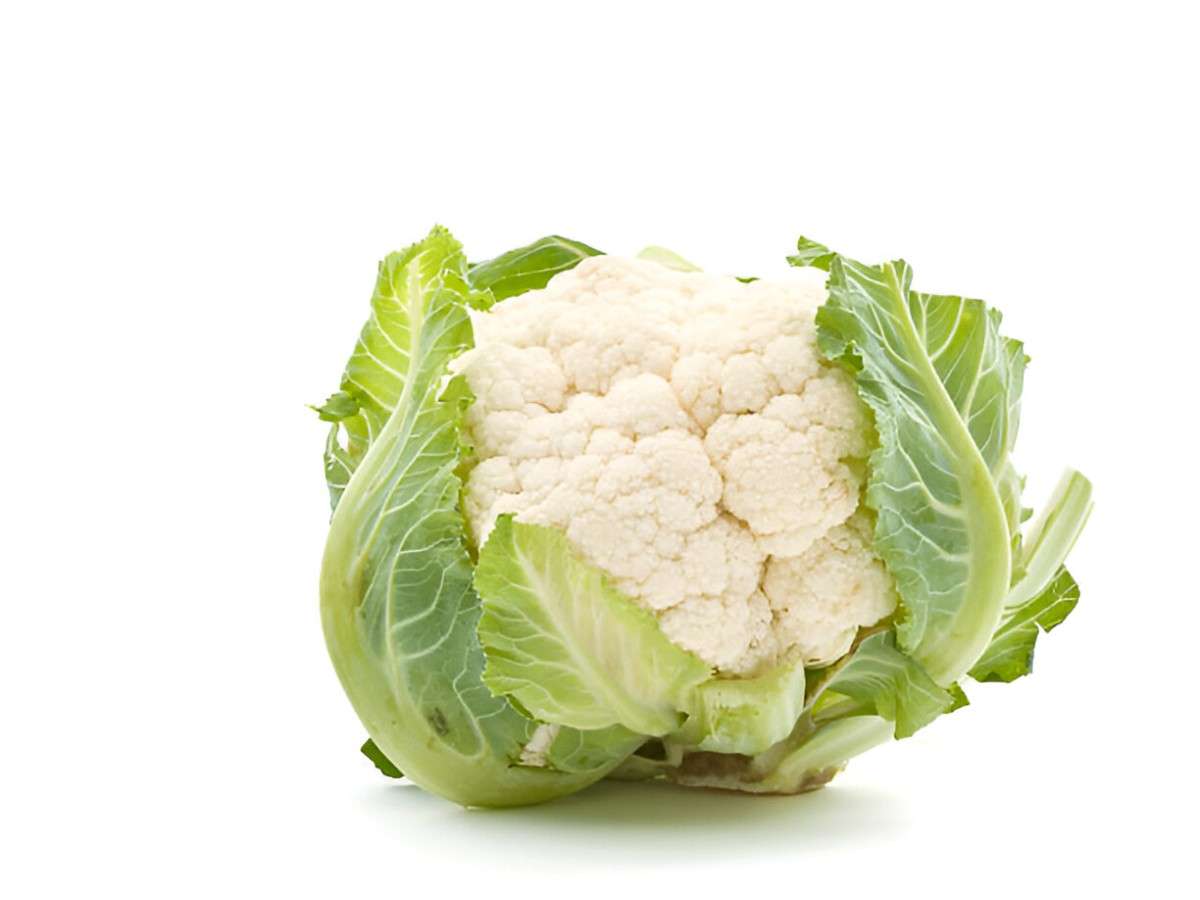
Cauliflower, a versatile cruciferous vegetable, has gained popularity in recent years for its nutritional richness and numerous health benefits. From its low-calorie content to its abundance of vitamins, minerals, and antioxidants, cauliflower offers a wide range of advantages for overall well-being. Let’s explore its nutritional values, key health benefits, potential therapeutic uses, cautions, ways to incorporate it into your diet, and other relevant information.
Summary Table
| Nutritional Values | Key Health Benefits | Potential Therapeutic Uses | Cautions | Incorporation |
|---|---|---|---|---|
| – Rich in vitamins and minerals | – Supports Digestive Health | – Cancer Prevention | – Gas and Bloating | – Roast or Grill |
| – High in dietary fiber | – Promotes Heart Health | – Anti-inflammatory Effects | – Thyroid Function | – Mash or Puree |
| – Contains antioxidants | – Boosts Immune Function | – Rice or Couscous | ||
| – May Aid in Weight Management | – Pizza Crust or Tortillas | |||
| – Antioxidant Properties | – Buffalo Cauliflower |
Nutritional Values
Cauliflower is a nutritional powerhouse, boasting a variety of essential nutrients in every serving:
- Vitamins: Cauliflower is rich in vitamins C, K, and folate, which support immune function, blood clotting, and cell growth and repair.
- Minerals: It contains minerals such as potassium, manganese, and magnesium, which are essential for heart health, nerve function, and bone strength.
- Dietary Fiber: Cauliflower is high in dietary fiber, promoting digestive health, regularity, and a feeling of fullness.
- Antioxidants: It contains powerful antioxidants like glucosinolates, sulforaphane, and carotenoids, which help combat oxidative stress and inflammation in the body.
Key Health Benefits
- Supports Digestive Health: The high fiber content in cauliflower aids in digestion, prevents constipation, and supports a healthy gut microbiome.
- Promotes Heart Health: Cauliflower’s potassium and fiber content help regulate blood pressure and cholesterol levels, reducing the risk of heart disease.
- Boosts Immune Function: With its rich vitamin C content, cauliflower strengthens the immune system, helping the body fight off infections and illnesses.
- May Aid in Weight Management: Cauliflower is low in calories and carbohydrates, making it a great option for those looking to manage their weight or follow a low-carb diet.
- Antioxidant Properties: The antioxidants in cauliflower help protect cells from damage, reduce inflammation, and lower the risk of chronic diseases such as cancer and diabetes.
Potential Therapeutic Uses
- Cancer Prevention: Some studies suggest that the compounds found in cauliflower, such as sulforaphane, may have anticancer properties and could help reduce the risk of certain types of cancer.
- Anti-inflammatory Effects: Cauliflower’s antioxidants and anti-inflammatory compounds may help alleviate symptoms of inflammatory conditions like arthritis and inflammatory bowel disease (IBD).
Cautions
While cauliflower is generally safe for most people, it’s essential to be mindful of the following cautions:
- Gas and Bloating: Some individuals may experience gas, bloating, or gastrointestinal discomfort when consuming large amounts of cauliflower, especially raw.
- Thyroid Function: Cauliflower contains goitrogens, compounds that may interfere with thyroid function in individuals with thyroid disorders. However, cooking cauliflower can help reduce the goitrogenic effects.
How to Incorporate Cauliflower into Your Diet
- Roast or Grill: Toss cauliflower florets with olive oil and your favorite seasonings, then roast or grill them until tender and golden brown.
- Mash or Puree: Cook cauliflower until soft, then mash or puree it as a low-carb alternative to mashed potatoes or as a base for creamy soups and sauces.
- Rice or Couscous: Grate cauliflower using a food processor or box grater to create cauliflower rice or couscous, perfect for stir-fries, pilafs, or salads.
- Pizza Crust or Tortillas: Make cauliflower pizza crust or tortillas for a healthier alternative to traditional wheat-based options.
- Buffalo Cauliflower: Coat cauliflower florets in buffalo sauce and bake until crispy for a delicious and nutritious appetizer or snack.
Cauliflower stands out as a nutritional powerhouse, offering an array of vitamins, minerals, fiber, and antioxidants that contribute to overall health and well-being. From supporting digestive health and heart function to boosting immune function and potentially reducing the risk of chronic diseases, cauliflower proves to be a valuable addition to any diet. By incorporating cauliflower into various dishes and recipes, individuals can enjoy its numerous health benefits while exploring its versatility and delicious flavor. However, it’s essential to be mindful of potential digestive discomfort and to cook cauliflower properly to minimize any adverse effects. With its nutrient density and culinary adaptability, cauliflower deserves a prominent place on your plate for a healthier and more vibrant lifestyle.