
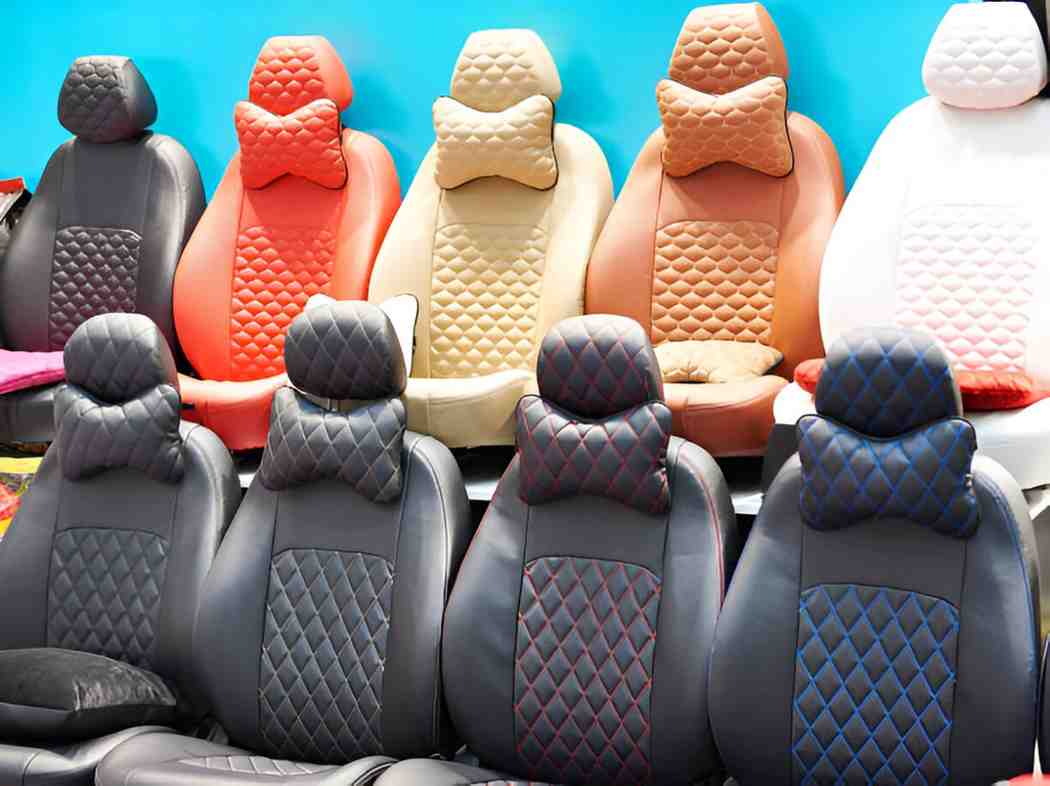
As someone who spends a lot of time driving, I understand how important it is to keep my car interior looking good and comfortable. One of the best ways to achieve this is by investing in quality car seat covers. These simple yet effective accessories not only protect your seats but also give your vehicle a refreshed look. In this guide, I’ll walk you through everything you need to know when shopping for the best car seat covers, helping you make an informed choice based on your needs.
Table of Contents
Why Should You Use Car Seat Covers?
I often find myself asking why some people overlook seat covers, considering the number of benefits they offer. To put it simply, car seat covers are an investment in the longevity of your vehicle. Here’s why they matter:
- Protection: Your car seats are exposed to spills, stains, pet hair, dust, dirt, and UV damage. Seat covers act as a protective layer, ensuring your seats stay pristine.
- Comfort: Not all car seats are created equal. Seat covers can add a layer of comfort by providing extra padding or a more ergonomic fit.
- Aesthetic Appeal: Seat covers are available in a range of materials and designs. They allow you to customize your car’s interior and elevate its overall look.
- Resale Value: A well-maintained interior increases the resale value of your car. Seat covers help preserve the condition of your seats, which can be a big selling point down the road.
What to Look for in a Car Seat Cover?
There’s no one-size-fits-all when it comes to car seat covers. To make the best decision, I consider several factors that align with my needs and preferences. Here are the most important ones:
- Material: The type of material impacts comfort, durability, and style. I find it helpful to look at my lifestyle when choosing a material.
- Leather: If you’re aiming for luxury and elegance, leather is an excellent choice. It’s durable and easy to clean, but it can get hot in summer and cold in winter.
- Neoprene: Ideal for those who want water-resistant protection. Neoprene is durable, easy to clean, and feels comfortable in various climates.
- Cloth Fabric: This is a popular choice for comfort, but it may not offer the same level of protection as leather or neoprene. However, it comes in various designs and colors.
- Vinyl: A cost-effective and water-resistant option, vinyl is great for those who want an affordable solution with easy maintenance.
- Fit: Car seat covers come in universal and custom-fit options. Universal covers are more affordable, but they may not fit as snugly as custom-fit covers. For me, custom-fit covers are worth the extra cost if I want my seats to look neat and fitted.
- Ease of Installation: Some car seat covers require professional installation, while others can be easily put on by yourself. I recommend checking the installation process before making a purchase. Ideally, you want something easy to install and remove for cleaning.
- Durability: Since car seat covers are an investment, I always look for something that will last. The durability of the material, stitching, and overall construction should be top-notch.
- Ease of Cleaning: I like to keep my car as clean as possible, so I consider how easy the seat cover is to clean. Leather and vinyl are typically easy to wipe clean, while cloth may require more effort.
- Price: Of course, price plays a role in my decision-making. While I’m willing to spend a bit more for quality, I also look for something that offers value for money.
- Weather Resistance: If you live in an area with extreme weather conditions, it’s essential to choose a seat cover that can handle the temperature variations. Some materials are designed to resist heat and cold, which is a significant plus for me.
Types of Car Seat Covers
There are several types of seat covers available, each offering different features. Here’s a breakdown of the most common types:
- Full Seat Covers: These covers wrap around the entire seat and are great for complete protection. They usually provide the best coverage, especially for people with children or pets.
- Seat Cushions: For added comfort and support, I sometimes opt for seat cushions. These don’t cover the entire seat but focus on the seat’s padding, making long drives more comfortable.
- Booster Seat Covers: Designed for those with booster seats or high-back seats, these covers offer extra padding and protection while keeping the seat’s integrity intact.
- Bucket Seat Covers: These covers are specifically designed for bucket-style seats. They provide a snug fit and are ideal for modern vehicles with contoured seats.
Choosing the Best Car Seat Covers: A Comparison
To help you compare the different options, here’s a table outlining the key features of popular car seat cover materials:
| Material | Durability | Comfort | Water Resistance | Ease of Cleaning | Price |
|---|---|---|---|---|---|
| Leather | Very durable | Moderate | Moderate | Easy | High |
| Neoprene | Durable | High | Excellent | Easy | Moderate |
| Cloth Fabric | Moderate | Very High | Poor | Moderate | Low |
| Vinyl | Durable | Moderate | Excellent | Easy | Low |
As I weigh my options, the material I choose depends on the type of protection and comfort I need. For instance, if I’m looking for an easy-to-clean solution, vinyl or leather would be the better options. However, if comfort is my primary concern, cloth fabric may be the best choice, even though it’s a bit harder to clean.
How to Install Car Seat Covers
Installing car seat covers is often easier than I expect, but it can depend on the type of cover I’m using. Here’s a general guide for installation:
- Remove the Existing Covers: If I have existing seat covers, I take them off to make room for the new ones.
- Prepare the Seat Covers: Lay out the covers, ensuring they’re the correct size for the seat.
- Install the Seat Bottom Cover: Slide the bottom portion of the cover over the seat base and adjust it to fit snugly.
- Install the Backrest Cover: Stretch the cover over the backrest of the seat, making sure it fits properly.
- Secure the Straps or Hooks: Many seat covers come with straps or hooks that I use to secure the cover in place.
- Tighten the Fit: I check for any loose areas and adjust the cover to ensure a snug fit.
Maintenance and Cleaning Tips
Keeping my car seat covers in top condition requires regular maintenance. Here are some cleaning and care tips:
- Regularly Vacuum: I vacuum the seat covers regularly to remove dust, dirt, and crumbs.
- Wipe Down Leather and Vinyl: For leather and vinyl seat covers, I use a damp cloth to wipe down the surface. I occasionally apply conditioner to keep the material soft.
- Wash Fabric Covers: If I have fabric seat covers, I machine wash them according to the manufacturer’s instructions.
- Use Fabric Protectant: For cloth seat covers, I use fabric protectant sprays to repel stains and spills.
- Avoid Harsh Chemicals: I avoid using harsh chemicals or abrasive cleaners that could damage the fabric or stitching.
Final Thoughts
Choosing the best car seat cover can seem like a daunting task, but with a little research and consideration of your specific needs, it becomes much easier. I hope this guide has helped you understand what factors to look for when shopping for seat covers, from material and fit to cleaning and maintenance. Whether you’re seeking comfort, protection, or a combination of both, there’s a perfect car seat cover out there for you. Just take your time and choose one that best suits your lifestyle and driving needs.