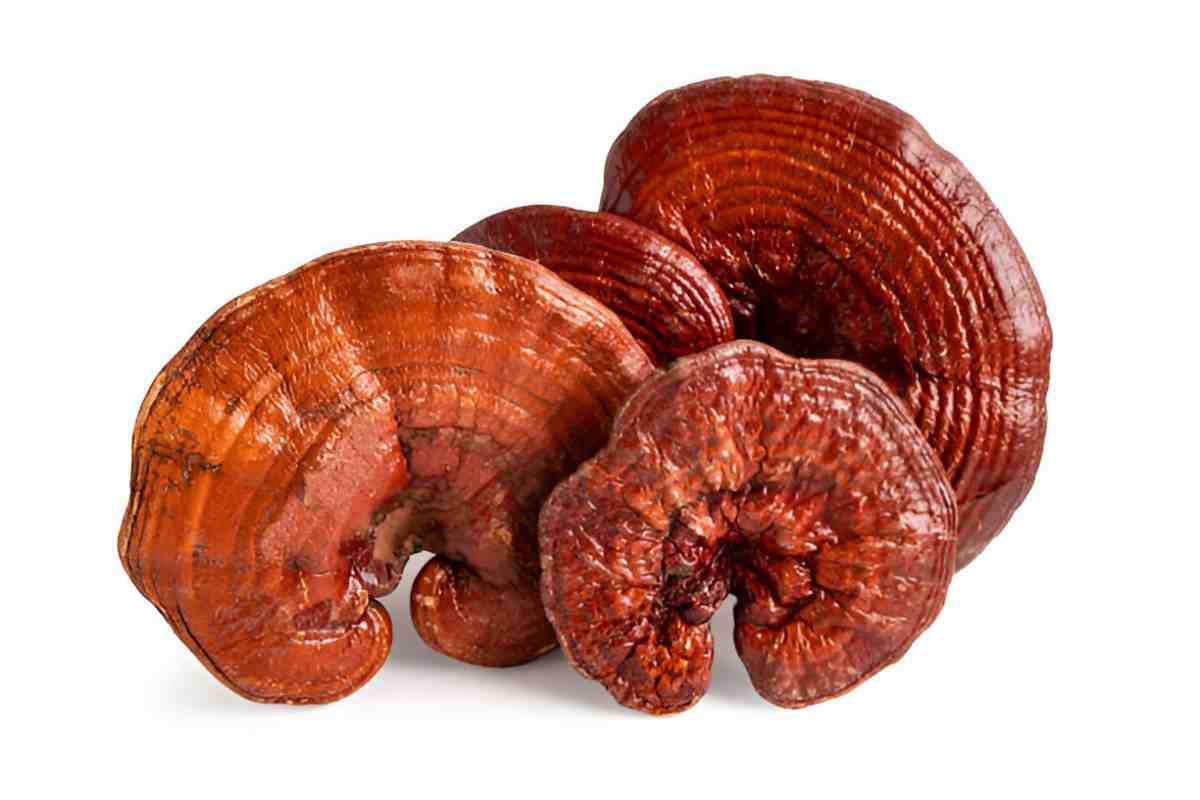
Reishi mushroom, also known as Ganoderma lucidum, is a type of medicinal mushroom that has been revered for centuries in traditional Chinese medicine for its numerous health-promoting properties. In recent years, reishi mushroom has gained popularity worldwide for its potential therapeutic benefits. In this article, we’ll delve into the nutritional values, key health benefits, potential therapeutic uses, cautions, ways to incorporate reishi mushroom into your diet, and other relevant information.
Summary Table
| Aspect | Details |
|---|---|
| Nutritional Values | Rich in bioactive compounds, antioxidants, and micronutrients |
| Key Health Benefits | Immune support, anti-inflammatory effects, stress reduction, antioxidant protection |
| Therapeutic Uses | Cancer, cardiovascular health |
| Cautions | Potential interactions, allergic reactions |
| Incorporating into Diet | Supplements (capsules, powders), tea, culinary use |
Nutritional Values
Reishi mushroom contains a variety of bioactive compounds, including polysaccharides, triterpenes, sterols, and antioxidants, which contribute to its health-promoting properties. While reishi mushroom is not a significant source of macronutrients like protein, fat, or carbohydrates, it provides essential micronutrients and bioactive compounds that support overall health and well-being.
Key Health Benefits
- Immune Support: Reishi mushroom is renowned for its immune-modulating properties, helping to enhance the body’s natural defenses against infections and diseases. It stimulates the production of white blood cells and cytokines, which play crucial roles in immune function.
- Anti-inflammatory Effects: Reishi mushroom contains potent anti-inflammatory compounds that help reduce inflammation throughout the body. Chronic inflammation is linked to various chronic diseases, including heart disease, diabetes, and cancer, making reishi mushroom a valuable ally in promoting overall health.
- Stress Reduction: Reishi mushroom is considered an adaptogen, which means it helps the body adapt to stress and maintain balance. It has calming properties that promote relaxation and may help reduce stress, anxiety, and fatigue.
- Antioxidant Protection: Reishi mushroom is rich in antioxidants, such as polysaccharides and triterpenes, which help neutralize free radicals and protect cells from oxidative damage. Antioxidants play a vital role in reducing the risk of chronic diseases and supporting longevity.
Therapeutic Uses
Reishi mushroom has been used in traditional medicine to treat a variety of health conditions, including:
- Cancer: Some studies suggest that reishi mushroom may have anti-cancer properties and could help inhibit the growth and spread of cancer cells. However, more research is needed to determine its effectiveness as a standalone treatment for cancer.
- Cardiovascular Health: Reishi mushroom may help lower blood pressure, cholesterol levels, and triglycerides, reducing the risk of heart disease and stroke. Its anti-inflammatory and antioxidant effects contribute to cardiovascular health.
Cautions
While reishi mushroom is generally considered safe for most people, there are some cautions to be aware of:
- Potential Interactions: Reishi mushroom may interact with certain medications, including blood thinners, anticoagulants, and immunosuppressants. It’s essential to consult with a healthcare professional before using reishi mushroom supplements, especially if you are taking medication or have underlying health conditions.
- Allergic Reactions: Some individuals may be allergic to reishi mushroom or develop allergic reactions, such as skin rash, itching, or respiratory symptoms. If you experience any adverse reactions, discontinue use and consult with a healthcare professional.
Incorporating Reishi Mushroom into Your Diet
Reishi mushroom is available in various forms, including capsules, powders, teas, and tinctures. Here are some tips for incorporating reishi mushroom into your diet:
- Supplements: Reishi mushroom supplements are widely available and can be taken as directed on the product label. Look for high-quality supplements from reputable brands.
- Tea: Reishi mushroom tea is a popular way to enjoy its health benefits. Simply steep dried reishi mushroom slices or powdered reishi mushroom in hot water for a soothing and nourishing beverage.
- Culinary Use: Reishi mushroom can be added to soups, stews, stir-fries, and other savory dishes for a subtle earthy flavor and added nutritional value.
Reishi mushroom offers a wealth of health benefits, from immune support and inflammation reduction to stress reduction and antioxidant protection. By incorporating reishi mushroom into your diet and lifestyle, you can harness the natural healing power of this remarkable mushroom to support your overall health and well-being.