
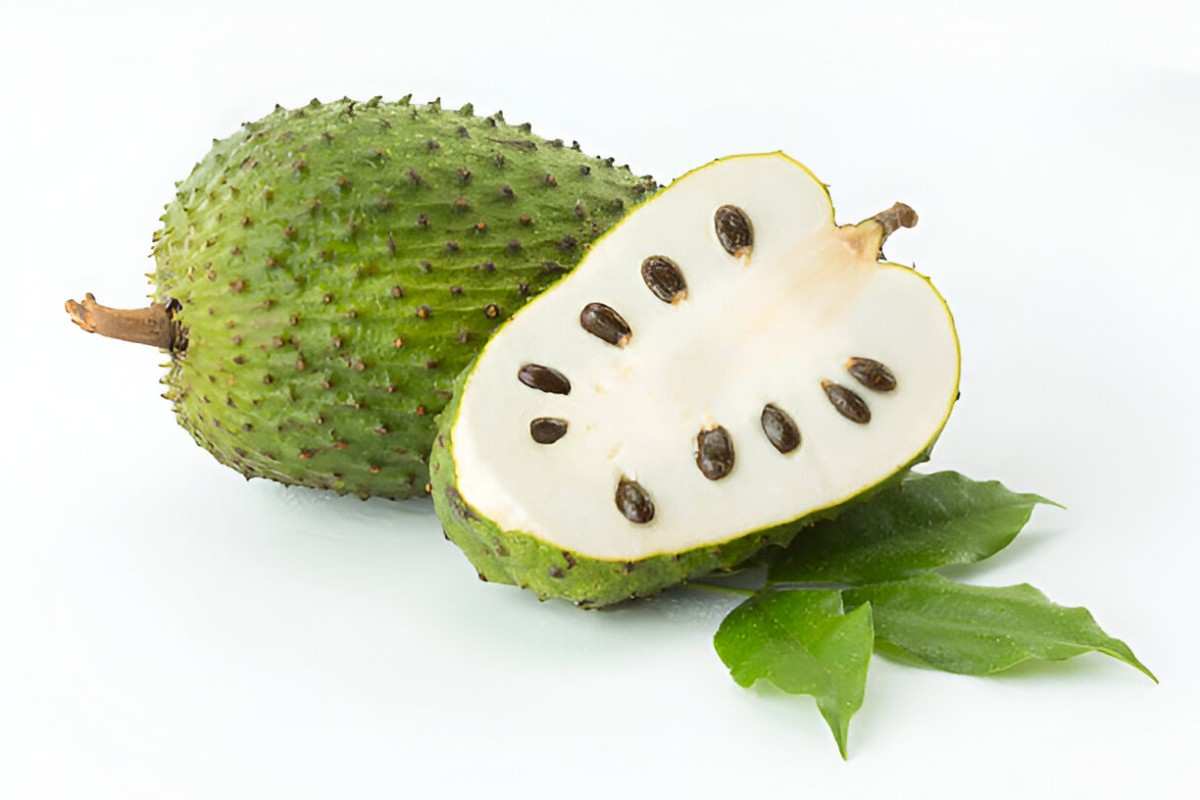
Soursop, also known as Graviola or Guanabana, is a tropical fruit known for its unique flavor and numerous health benefits. This article will explore the nutritional values of soursop, its key health benefits, potential therapeutic uses, cautions, and how to incorporate it into your diet.
Summary Table
| Aspect | Details |
|---|---|
| Nutritional Values | Calories: 66 kcal, Protein: 1 g, Fat: 0.3 g, Carbohydrates: 16.8 g, Fiber: 3.3 g, Vitamin C: 20.6 mg |
| Key Health Benefits | Antioxidant-rich, supports immune health, promotes digestive health, anti-inflammatory, heart health |
| Potential Therapeutic Uses | May help fight cancer, antimicrobial properties |
| Cautions | Possible neurotoxicity, avoid during pregnancy/breastfeeding, potential medication interactions |
| Dietary Incorporation | Fresh fruit, juices, smoothies, desserts, herbal tea |
Nutritional Values
Soursop is rich in vitamins, minerals, and dietary fiber. Here is a breakdown of its nutritional content per 100 grams:
- Calories: 66 kcal
- Protein: 1 g
- Fat: 0.3 g
- Carbohydrates: 16.8 g
- Fiber: 3.3 g
- Vitamin C: 20.6 mg (34% of the Daily Value)
- Vitamin B1 (Thiamine): 0.07 mg (5% of the Daily Value)
- Vitamin B2 (Riboflavin): 0.05 mg (3% of the Daily Value)
- Vitamin B3 (Niacin): 0.9 mg (4% of the Daily Value)
- Potassium: 278 mg (8% of the Daily Value)
- Magnesium: 21 mg (5% of the Daily Value)
- Iron: 0.6 mg (3% of the Daily Value)
Key Health Benefits
1. Rich in Antioxidants
Soursop is packed with antioxidants, which help neutralize harmful free radicals in the body. This can reduce oxidative stress and lower the risk of chronic diseases such as heart disease and cancer.
2. Supports Immune Health
The high vitamin C content in soursop boosts the immune system by stimulating the production of white blood cells, which are crucial for fighting infections.
3. Promotes Digestive Health
The fiber in soursop aids in digestion by promoting regular bowel movements and preventing constipation. It also supports the growth of beneficial gut bacteria.
4. Anti-Inflammatory Properties
Soursop contains compounds that have anti-inflammatory effects, which can help reduce inflammation and alleviate pain in conditions like arthritis.
5. May Help Fight Cancer
Preliminary studies suggest that soursop has potential anticancer properties. Its extracts have been shown to inhibit the growth of cancer cells and induce apoptosis (cell death) in laboratory settings. However, more research is needed to confirm these effects in humans.
6. Supports Heart Health
Potassium and magnesium in soursop help regulate blood pressure and improve cardiovascular health by maintaining proper heart function and reducing the risk of hypertension.
7. Enhances Skin Health
The antioxidants and vitamin C in soursop promote healthy skin by protecting against oxidative damage, reducing wrinkles, and improving skin elasticity.
Potential Therapeutic Uses
Cancer
As mentioned, soursop extracts have shown potential in laboratory studies for inhibiting the growth of certain cancer cells. While promising, these effects need further investigation through clinical trials.
Infections
Soursop has antimicrobial properties that may help in fighting bacterial and viral infections. It has been traditionally used to treat various infections and parasitic diseases.
Cautions
Neurotoxicity
Some studies suggest that consuming large amounts of soursop, especially its seeds, may lead to neurotoxic effects and could be linked to neurodegenerative diseases like Parkinson’s. It’s important to consume soursop in moderation.
Pregnancy and Breastfeeding
Pregnant and breastfeeding women should avoid soursop supplements due to limited safety data. It’s best to consult with a healthcare provider before consuming soursop during these periods.
Medication Interactions
Soursop may interact with certain medications, such as those for high blood pressure or diabetes. Always consult a healthcare professional before adding soursop to your diet if you are on medication.
How to Incorporate Soursop into Your Diet
Fresh Fruit
Enjoy soursop fresh by cutting it open, removing the seeds, and scooping out the flesh. It can be eaten as is or added to fruit salads.
Juice and Smoothies
Blend soursop flesh with water or other fruits to make refreshing juices or smoothies.
Desserts
Soursop can be used in various desserts like ice cream, sorbet, and puddings. Its creamy texture and sweet-tart flavor make it a versatile ingredient.
Tea
Soursop leaves can be dried and used to make herbal tea, which is believed to offer some health benefits.
Soursop is a nutritious fruit with a variety of health benefits, from boosting immune health to potentially fighting cancer. However, it should be consumed in moderation due to potential neurotoxic effects. Incorporating soursop into your diet can be both delicious and beneficial, but always consult a healthcare provider if you have any concerns, especially if you are pregnant, breastfeeding, or on medication.