
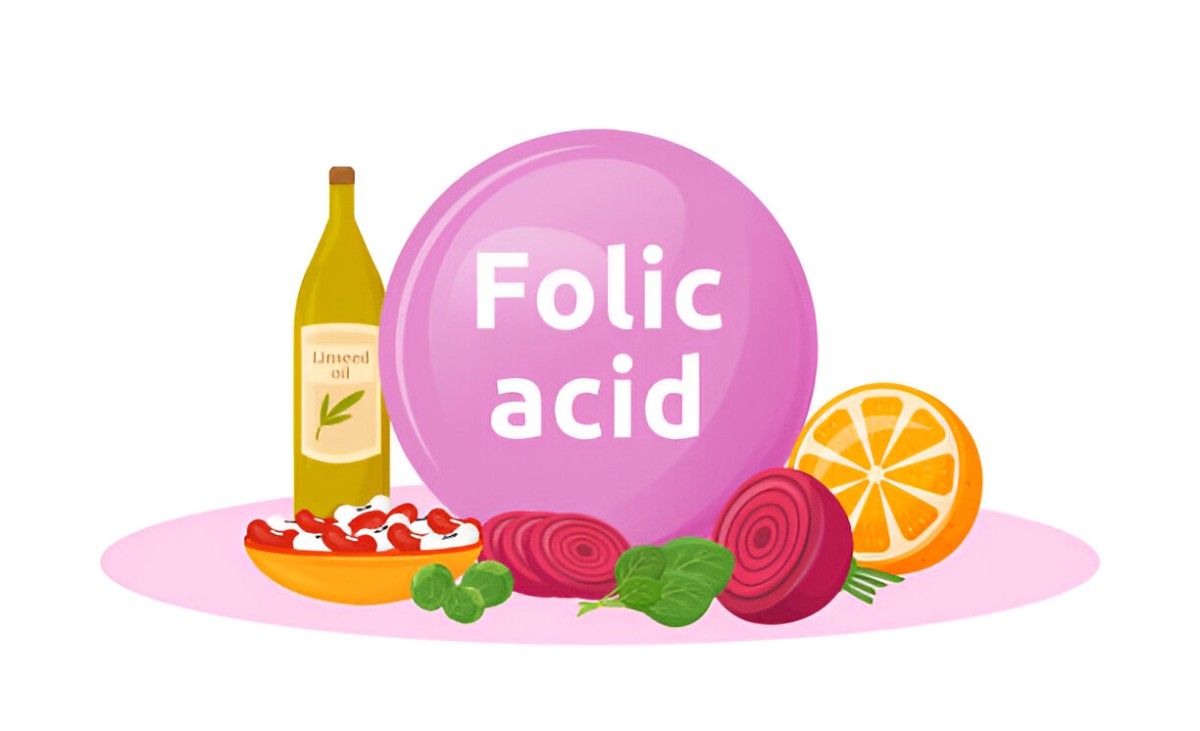
Folic acid, also known as folate or vitamin B9, is a water-soluble B vitamin that plays a crucial role in various bodily functions. In this article, we’ll delve into the nutritional values, key health benefits, potential therapeutic uses, cautions, ways to incorporate folic acid into your diet, and other relevant information.
Summary Table
| Aspect | Details |
|---|---|
| Nutritional Values | Folic acid is essential for DNA synthesis, red blood cell formation, and fetal development. |
| Key Health Benefits | Prevention of neural tube defects, heart health, cognitive function, DNA repair, and synthesis. |
| Potential Therapeutic Uses | Pregnancy, anemia. |
| Cautions | Interaction with medications, masking of B12 deficiency symptoms. |
| Dietary Incorporation | Leafy greens, legumes, fortified foods, supplements. |
Nutritional Values
Folic acid is essential for several bodily functions, including DNA synthesis, cell division, and the formation of red blood cells. It also supports nervous system function and plays a vital role in pregnancy for fetal development.
Key Health Benefits
- Prevents Neural Tube Defects: Adequate intake of folic acid before and during pregnancy is crucial for preventing neural tube defects in infants, such as spina bifida and anencephaly.
- Supports Red Blood Cell Formation: Folic acid is necessary for the production of red blood cells, which transport oxygen throughout the body. A deficiency in folic acid can lead to anemia.
- Promotes Heart Health: Folic acid helps lower homocysteine levels in the blood, which is associated with a reduced risk of heart disease and stroke.
- Supports Brain Function: Folic acid plays a role in cognitive function and mental health. Adequate levels of folic acid may help reduce the risk of age-related cognitive decline and depression.
- Assists in DNA Repair and Synthesis: Folic acid is essential for DNA synthesis and repair, making it crucial for cell growth, division, and repair.
Potential Therapeutic Uses
- Pregnancy: Folic acid supplementation is recommended for pregnant women to prevent neural tube defects and support fetal development.
- Anemia: Folic acid supplementation may be beneficial for individuals with folate-deficiency anemia, a condition characterized by a low red blood cell count due to insufficient folate levels.
Cautions
- Interaction with Medications: Folic acid supplements may interact with certain medications, such as antiepileptic drugs and methotrexate. Consult with a healthcare professional if you are taking any medications.
- Masking of B12 Deficiency: High intake of folic acid can mask vitamin B12 deficiency symptoms while allowing the progression of neurological damage associated with low B12 levels. It’s essential to monitor B12 levels regularly, especially in older adults.
How to Incorporate Folic Acid into Your Diet
- Leafy Greens: Incorporate folate-rich foods into your diet, such as spinach, kale, broccoli, and Brussels sprouts.
- Legumes and Beans: Lentils, chickpeas, black beans, and kidney beans are excellent sources of folate.
- Fortified Foods: Consume fortified foods like breakfast cereals, bread, and pasta, which are often fortified with folic acid.
- Supplements: If you have an increased need for folic acid or are unable to meet your requirements through diet alone, consider taking a folic acid supplement under the guidance of a healthcare professional.
Incorporating folate-rich foods into your diet or taking folic acid supplements can help ensure you meet your daily requirements and support overall health. However, it’s essential to consult with a healthcare professional before starting any supplementation regimen, especially if you are pregnant or have underlying health conditions.