
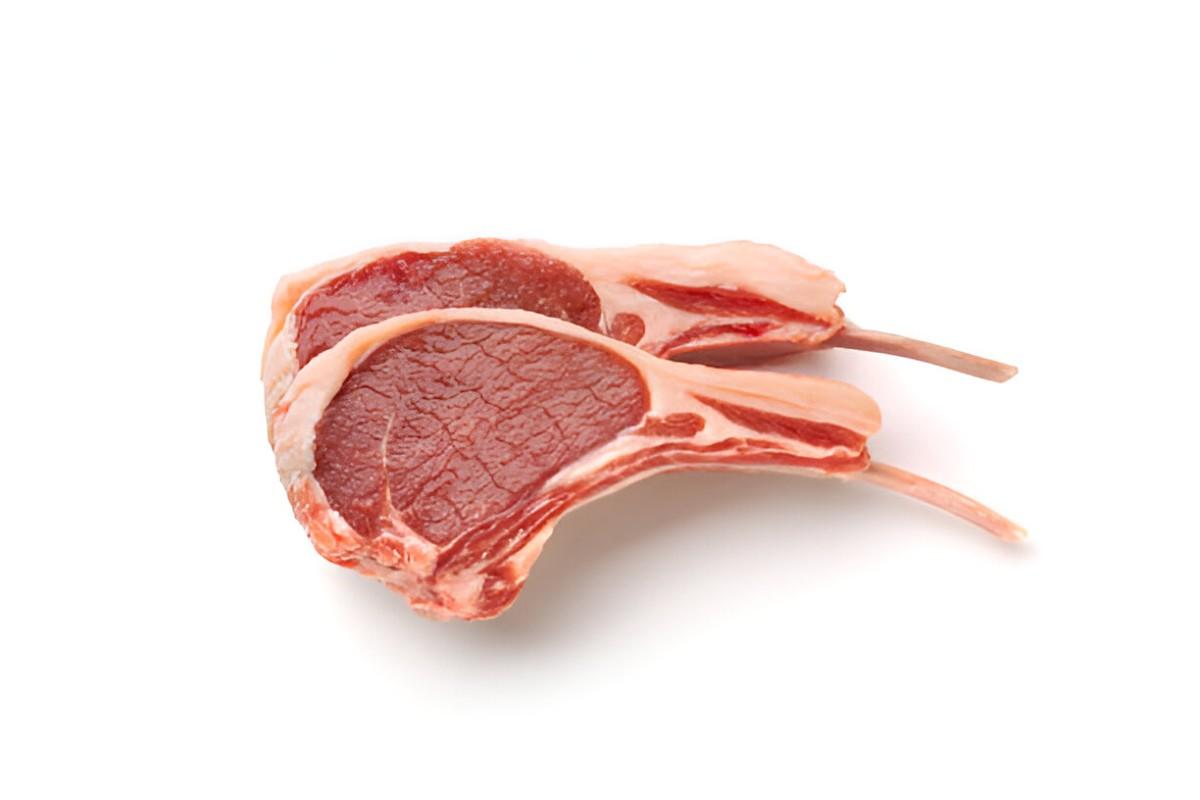
Adopting a vegetarian or vegan diet, which involves abstaining from consuming meat, has become increasingly popular due to its perceived health benefits, environmental sustainability, and ethical considerations. In this article, we’ll delve into the nutritional values, key health benefits, potential therapeutic uses, cautions, ways to incorporate a meat-free diet into your lifestyle, and other relevant information.
Summary Table
| Aspect | Details |
|---|---|
| Nutritional Values | Plant-based diets provide essential nutrients while eliminating meat, including protein, iron, zinc, and vitamins. |
| Key Health Benefits | Improved heart health, weight management, lower risk of chronic diseases, and environmental sustainability. |
| Potential Therapeutic Uses | Management of chronic diseases, weight loss. |
| Cautions | Risk of nutrient deficiencies, protein quality, need for supplementation. |
| Dietary Incorporation | Diversify protein sources, emphasize whole foods, experiment with meat substitutes, consider supplementation. |
Nutritional Values
Eliminating meat from your diet requires careful attention to ensure you’re obtaining essential nutrients typically found in animal products. These include protein, iron, zinc, vitamin B12, omega-3 fatty acids, and others.
Key Health Benefits
- Heart Health: Plant-based diets have been linked to a reduced risk of heart disease, lower blood pressure, and improved cholesterol levels due to their high fiber content and absence of saturated fats found in meat.
- Weight Management: Vegetarian and vegan diets tend to be lower in calories and saturated fats, making them beneficial for weight management and reducing the risk of obesity.
- Lower Risk of Chronic Diseases: Research suggests that plant-based diets are associated with a lower risk of chronic diseases such as type 2 diabetes, certain cancers, and hypertension.
- Improved Digestive Health: A diet rich in fruits, vegetables, whole grains, and legumes provides ample fiber, promoting healthy digestion and reducing the risk of constipation and other gastrointestinal issues.
- Environmental Sustainability: Plant-based diets have a lower carbon footprint compared to diets high in animal products, contributing to environmental sustainability and reduced greenhouse gas emissions.
Potential Therapeutic Uses
- Management of Chronic Diseases: Plant-based diets may be beneficial in managing certain chronic conditions such as diabetes, hypertension, and cardiovascular disease.
- Weight Loss: Adopting a vegetarian or vegan diet can support weight loss efforts due to its emphasis on whole, nutrient-dense foods and lower calorie density.
Cautions
- Nutrient Deficiencies: While plant-based diets can be nutritionally adequate, individuals need to pay attention to obtaining key nutrients such as protein, iron, vitamin B12, omega-3 fatty acids, and calcium from alternative sources.
- Protein Quality: Plant-based proteins may not always provide all essential amino acids in optimal proportions. Combining different plant protein sources can help ensure adequate protein intake.
How to Incorporate a Meat-Free Diet into Your Lifestyle
- Diversify Your Protein Sources: Include a variety of plant-based protein sources such as legumes (beans, lentils, chickpeas), tofu, tempeh, seitan, nuts, seeds, and whole grains.
- Emphasize Whole Foods: Focus on whole, minimally processed foods such as fruits, vegetables, whole grains, nuts, seeds, and legumes to maximize nutrient intake and promote overall health.
- Experiment with Meat Substitutes: Explore meat alternatives such as veggie burgers, plant-based sausages, and meatless meatballs made from soy, peas, or mushrooms.
- Consider Supplementation: Depending on individual dietary patterns and nutrient needs, consider supplementation with vitamin B12, vitamin D, omega-3 fatty acids, and iron to address potential deficiencies.
Adopting a meat-free diet can offer numerous health benefits, but it requires careful planning to ensure adequate nutrient intake. Consult with a healthcare professional or registered dietitian to develop a well-balanced vegetarian or vegan meal plan that meets your individual nutritional needs and supports optimal health.